Hormuz is still a bottleneck, not a free lane
Diplomatic language on routes and reopening is moving faster than tanker counts. Until daily traffic climbs off single digits and insurers price lower risk, the strait remains a war pressure point rather than a normal shipping channel.
The Strait of Hormuz still moves only a fraction of its pre-war oil and gas traffic on Day 162 of the 2026 Iran War. Diplomats talk corridors, fees, and temporary routes. Ship-tracking data still shows single-digit daily passages and vessels switching off their AIS, according to the BBC citing the firm Kpler.
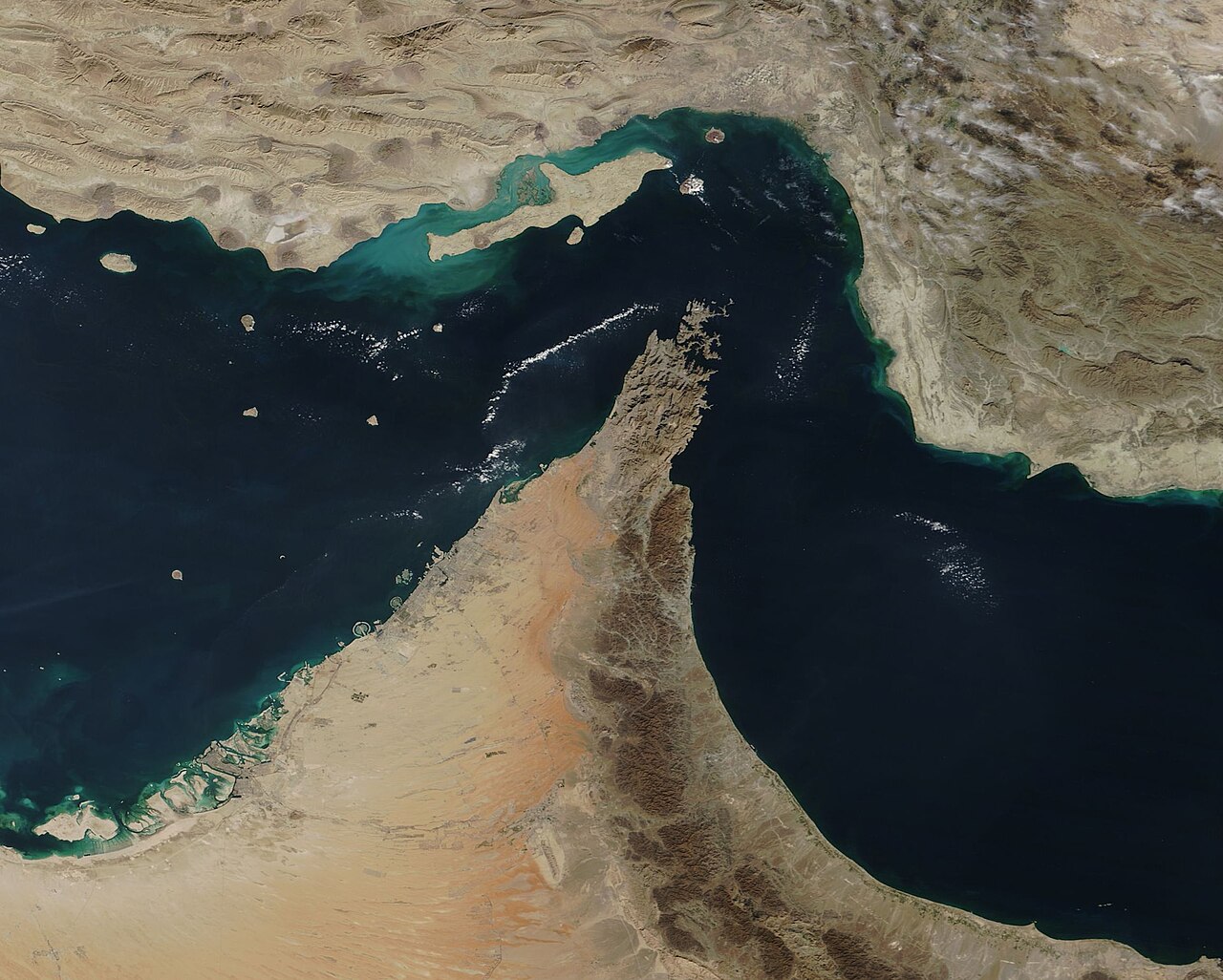
That gap is the story. About a fifth of the world’s oil and liquefied natural gas normally passes through this chokepoint. Since US and Israeli strikes on Iran began on February 28, Tehran has largely controlled access and said passage needs prior clearance, the BBC reported. Iran has attacked vessels that ignored that order.
Why does Hormuz still decide the energy picture?
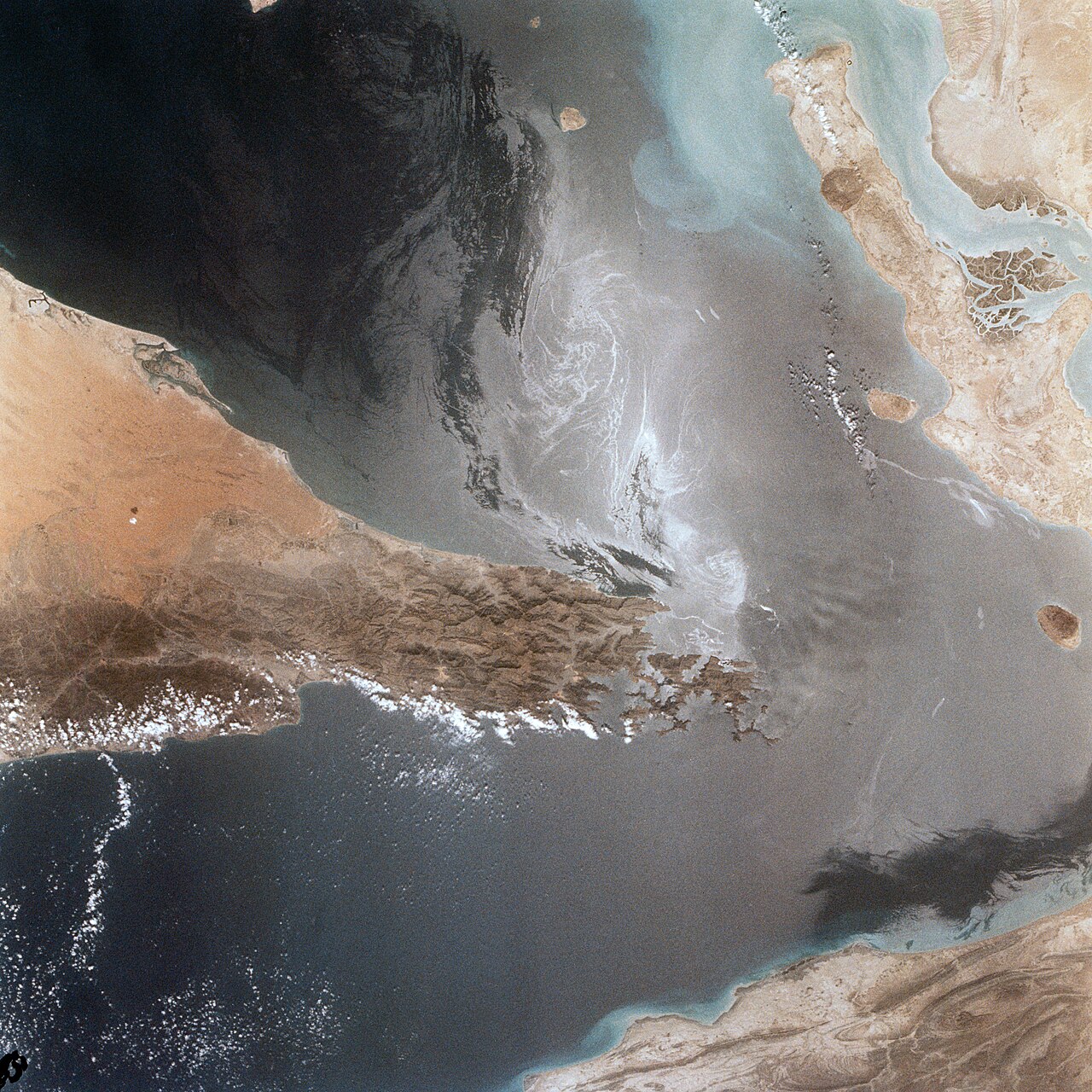
Geography is blunt. The strait is the only sea exit for most Gulf crude and LNG headed to world markets. When it tightens, insurance spikes, cargos reroute or sit, and energy prices swing.
The war turned that geometry into leverage. Iran used denial and clearance rules. The United States kept a naval blockade on Iranian ports. Gulf exporters and importers paid in delayed lifts, force majeure notices, and higher freight risk. A partial reopening can ease shortages without settling the nuclear file or war aims. That is why every Oman map and White House aside gets read as market news first.
How bad is shipping right now?
Before the war, more than 100 ships a day typically crossed Hormuz. Kpler told the BBC the count fell to 11 on a recent Saturday and eight the following Sunday. That is not a soft recovery. It is a collapse.
Kpler analyst Matthew Wright said the threat to crude trade was at its worst stretch of the crisis when Hormuz pressure stacked on top of Houthi attacks against an alternative Red Sea path some Saudi cargoes had used, the BBC reported. From July 20, Yemen’s Houthis, backed by Iran, imposed their own embargo-style pressure on Saudi Red Sea ports, compounding the stack risk.
Many ships have been “going dark” when crossing, turning off transponders to avoid detection, Kpler told the BBC. Brent crude edged lower on the morning the BBC filed an Iran-Oman deal story, down 0.3% at $79.24 in Asian trade.
What reopening path is on the table in August?
Tehran says a shipping-route deal with Oman is “in the final stages.” Foreign ministry spokesman Esmaeil Baqaei said the geographic coordinates of the route had been agreed with Muscat, according to the BBC citing Iran’s official Irna news agency. The United States and Oman had not commented on that proposal when the BBC published.
Deputy Foreign Minister Kazem Gharibabadi said the route would be temporary and could stay open two to four months, the BBC reported. WarEcho covered that beat in Iran says Hormuz route deal with Oman near final.
The claim sits on an early-August Iran-Oman framework for a temporary Hormuz reopening: dual corridors (inbound nearer Iran, outbound nearer Oman), possible regional mine clearance, and Supreme National Security Council (SNSC) approval as a political gate. Separate lanes can cut collision risk. They are not free navigation under US terms, and they are not a permanent reopen.
What are Iran’s six conditions?
After the framework reporting, Iran’s SNSC published six hard conditions for reopening Hormuz. Those include ending the war, lifting the blockade, withdrawing US forces, and compensation, according to WarEcho’s earlier reporting of the SNSC line.
Baqaei still tied real security in the strait to an end of the US naval blockade even as he touted Oman route coordinates. A temporary technical corridor can advance while the six conditions remain the public political ceiling. Insurers read that gap in war-risk premiums even if Oman and Iran draw a line on a chart.
Who wins the fee fight?
Money is the sharpest commercial dispute. Iran is seeking fees of 5% to 7% of the price of cargoes from ships using the strait, according to a senior Iranian official cited by Reuters and reported by the BBC. Oman is discussing fees of around 3%. Washington wants no fees at all.
Control is the twin issue. Reuters reported via the BBC that the proposed deal would also give Tehran control over ships entering the Gulf through Hormuz. That claim, if accurate, collides with US and Gulf interests in free navigation. None of the three fee positions is reconciled in public.
What does Trump’s Hormuz-only end-state change?
On August 9, the Wall Street Journal reported that President Donald Trump had privately floated ending the war without a nuclear deal if Iran fully reopened Hormuz. That framing treats open transit as the victory condition, not a full nuclear settlement.
A temporary Oman-coordinated route with Iranian inbound control and cargo fees is not unrestricted transit. Trump had also warned that Iran would be “hit very hard” if the strait did not open “very soon,” the BBC reported. Senior US officials talked up possible shipments later in the week. Iran said it was not negotiating with the United States, according to the same BBC account.
What failed earlier, and what still stacks risk?
June’s memorandum of understanding aimed to stop fighting, reopen Hormuz, and work toward ending the war within 60 days. It fell apart within days as strikes resumed. The US kept the naval blockade on Iranian ports.
WarEcho tracked the hangover in Hormuz traffic still depressed after partial reopen claims. Announcements did not equal sustained triple-digit daily crossings. Houthi pressure on Saudi Red Sea ports from July 20, reported by the BBC, still removes an easy workaround for some cargoes that might otherwise avoid Hormuz.
What is confirmed, and what is still thin?
Confirmed in named reporting:
- Hormuz normally carries about 20% of world oil and LNG (BBC).
- Recent Kpler counts of 8 and 11 daily ships versus 100+ pre-war, plus AIS dark sailing (BBC / Kpler).
- Iran says Oman route coordinates are agreed and a deal is in the final stages; duration may be two to four months (BBC / Irna).
- Fee positions of 5-7% (Iran), about 3% (Oman talks), and zero (US) via Reuters/BBC.
- US naval blockade of Iranian ports continues in Iranian public messaging and BBC reporting.
- SNSC six conditions and Trump Hormuz-only end-state talk are on the August record (WarEcho spine; WSJ via WarEcho).
Still thin or unconfirmed: a signed public deal text, a bankable commercial start date, Omani or US endorsement of Baqaei’s description, locked fee and control terms, and daily traffic recovery off single digits.
Until Oman confirms the map in public, fees are settled or waived, the blockade question is answered in practice, and daily transits climb, Hormuz stays a crisis channel with a diplomatic overlay. Route maps are moving. Tanker counts are not.
Sources
- BBC, “Iran says deal with Oman on Strait of Hormuz is in final stages” (https://www.bbc.co.uk/news/articles/ckg9d3eyeggo): Baqaei final-stages claim; coordinates; US blockade caveat; no US/Oman comment; Gharibabadi 2-4 months; fees and inbound control via Reuters; Trump warning; Brent $79.24
- BBC / Kpler, “Threat to oil tankers in Middle East worst since start of Iran war, analysts say” (https://www.bbc.co.uk/news/articles/cjrv0dy2e90o): 8 and 11 daily transits vs 100+ pre-war; going dark; Red Sea stack risk
- WarEcho prior: Aug 6 Oman framework; Aug 8 SNSC six conditions; Aug 9 Trump Hormuz-only end-state; Aug 9 Baqaei final-stages; July 5 depressed traffic after MOU