Public terms after private optimism
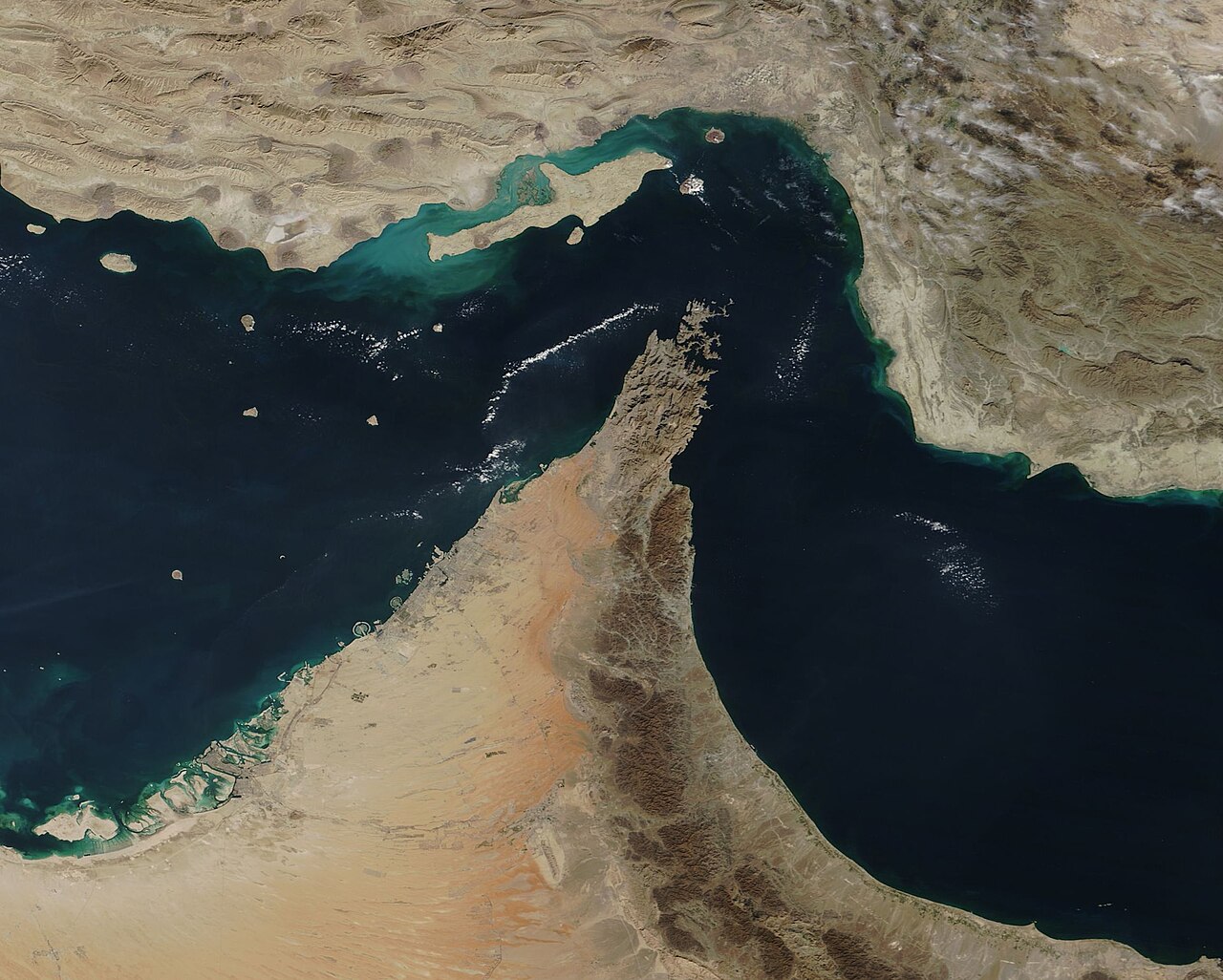
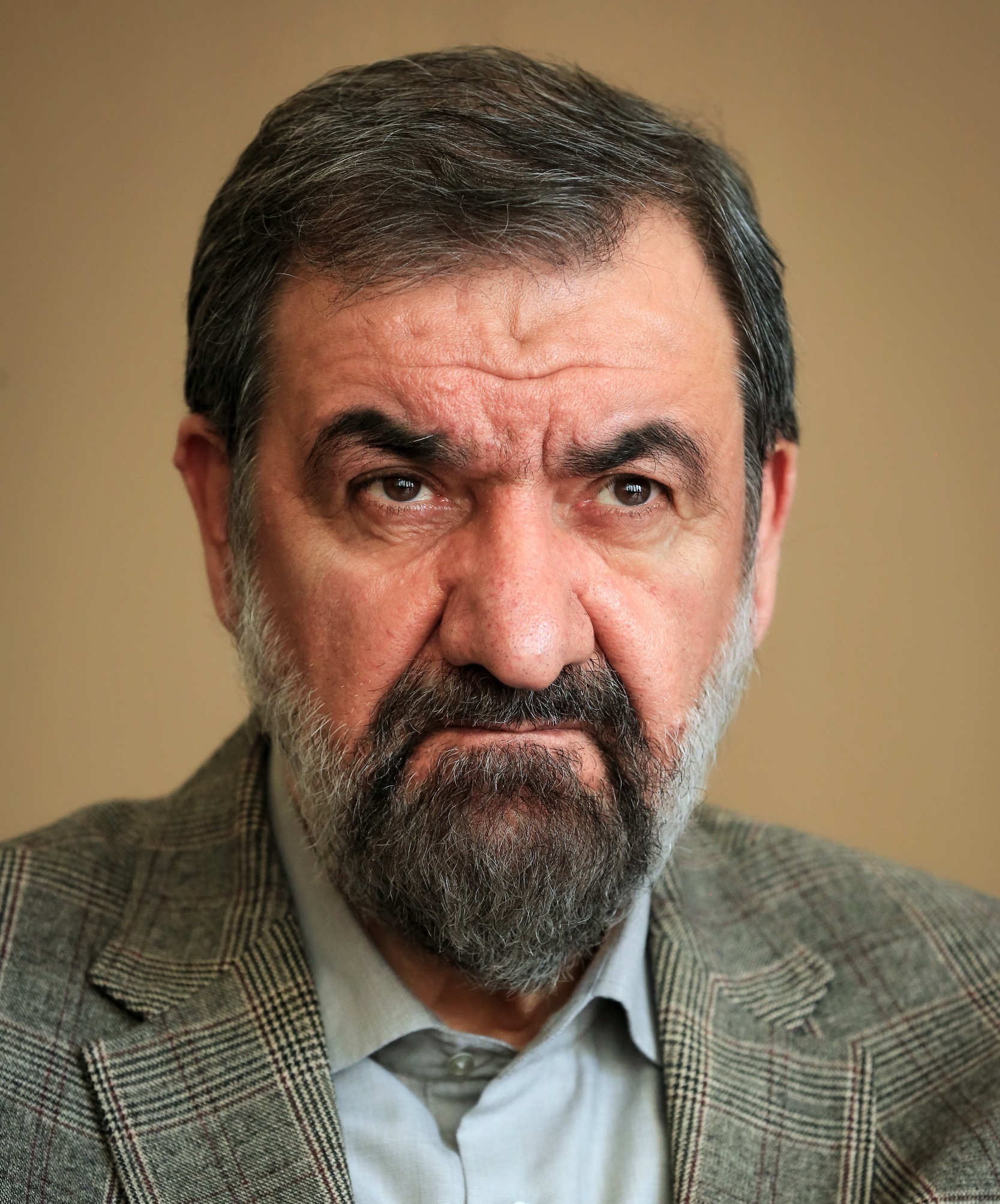
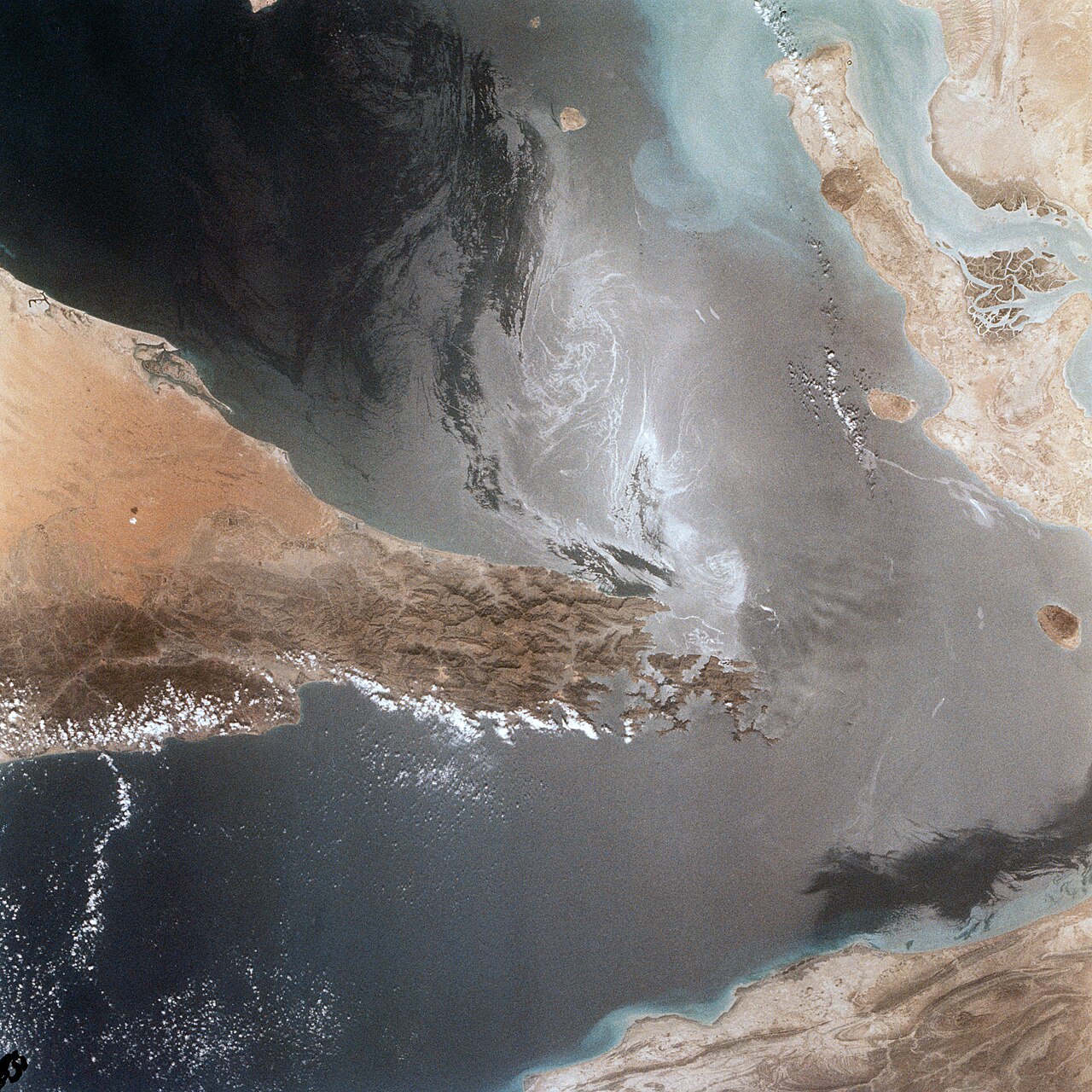
On August 8, Iran’s secretary of the Supreme National Security Council, Mohammad Baqer Zolqadr, set out conditions the United States would have to meet before the Strait of Hormuz reopened to shipping, B92 reported, citing New York Times coverage. The demands included withdrawing US forces from the region, paying war compensation, releasing frozen Iranian assets, stopping attacks on Iranian allies, and ending threats against Iran.
Middle East Spectator carried a full six-point SNSC formulation:
- No threats or insults against Iran’s sanctities
- Permanent end of war and aggression against Iran and its allies in Lebanon, Palestine, Yemen, and Iraq
- Lift the naval blockade and withdraw US naval and air forces from the area around Iran
- Pay damages for the two wars imposed on Iran
- Lift sanctions
- Unconditionally release frozen Iranian assets
The council said it would not back down, “whether in war or in negotiations,” and framed the demands as those of a people “present in the squares and streets for 160 days.”
Clash with the Vance line
The same day window produced a sharper US-Iran contradiction. Vice President JD Vance told Fox News that Iran had informed Washington it would not impose Hormuz fees and would allow pre-war oil and gas export volumes. “Our expectation is to see the same amount of oil and gas leaving the Gulf as before the conflict. That is what the Iranians told us they will do,” Vance said, according to B92. He added that Washington would judge Tehran by actions, not promises.
Zolqadr’s conditions answered that optimism with a maximalist price. B92 noted that under the June ceasefire framework, full sanctions relief had been tied to a final nuclear deal, and US officials had previously linked frozen-asset access to giving up highly enriched uranium. August’s public Iranian list moved those issues back into the Hormuz reopening bargain itself.
Pezeshkian’s softer tone
Iranian President Masoud Pezeshkian said the same period offered the best chance to reach an agreement and settle open questions through talks. That softer presidential line sat beside the SNSC’s harder security-council terms, a split that later August reporting continued to track.
Why August 8 matters
This is the Iranian counter-offer after July’s US “guardian of Hormuz” toll claim and early August Oman corridor talks. One side talks temporary routes and verification. The other publishes a six-point bill for reopening the strait. The next day’s Wall Street Journal reporting on Trump’s willingness to end the war without a nuclear deal if Hormuz reopens only sharpens the gap.
Sources
- B92 / New York Times citations, August 8, 2026: Zolqadr conditions; force withdrawal; compensation; assets; allies; threats
- Middle East Spectator / SNSC statement text: six conditions and 160-day framing
- B92 / Fox News via JD Vance: no fees claim; pre-war energy volumes; verify not trust
- B92: Pezeshkian remarks on timing for a deal