A narrower end-state
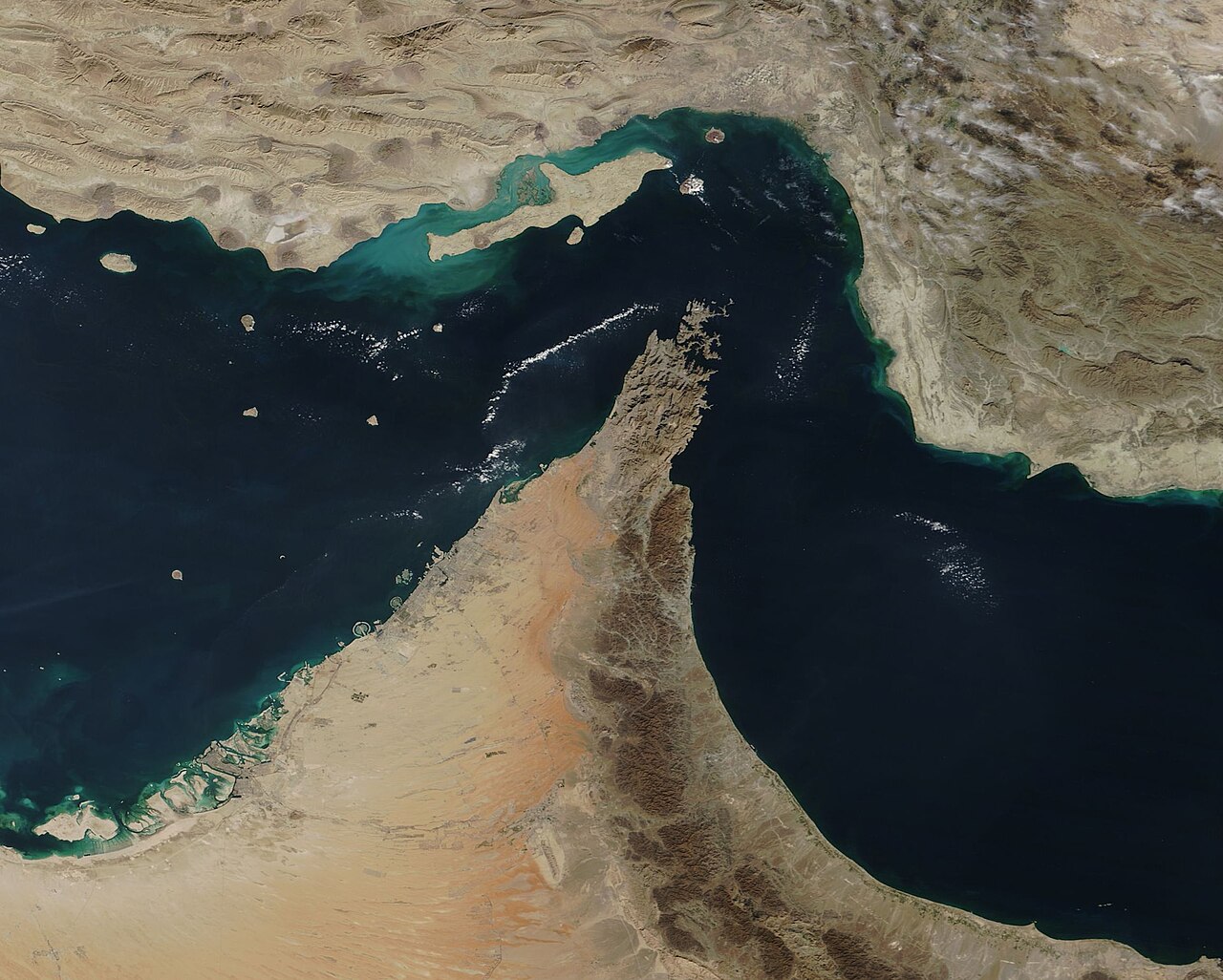
On August 9, the Wall Street Journal reported that President Donald Trump was prepared to end the war with Iran without a nuclear agreement if Tehran fully reopened the Strait of Hormuz, according to US officials cited by B92 and Middle East Spectator. Trump had privately floated the option to senior aides after weeks of preparation for declaring victory if free transit returned.
That is a major shift in public war aims. From February through midsummer, nuclear rollback language sat at the center of US justification. By early August, free Hormuz transit alone was being treated in private as enough to claim an end-state.
Why the path got harder the same weekend
The Journal report landed as Iran raised the price of reopening. B92, citing the Journal, said Iran demanded billions in US payments, withdrawal of American troops from the region, and an end to the US maritime blockade, among other conditions. Those demands were described as the highest price Iran had yet attached to free strait traffic.
The timing undercuts any simple “deal is close” narrative. Vance had just said Iran promised pre-war energy volumes without fees. SNSC conditions and the Journal’s account of Iranian demands pointed the other way.
Israel prepares a hedge
Israeli Channel 13 reported that Israel was preparing to continue the war against Iran on its own if the United States reached an end-of-war agreement. That report, carried by B92, fits the political risk of a Hormuz-only off-ramp: Washington could declare the maritime crisis managed while Jerusalem treats the nuclear and regional proxy file as unfinished.
CNN-linked reporting in the same B92 package said Gen. Dan Caine and other senior US officials had told Trump that pure airpower victory was unlikely and that Washington needed an exit, while still preserving the option to “completely destroy” Iranian targets if the president ordered continued war. The White House publicly praised Caine and cited operations Epic Fury, Midnight Hammer, and Total Resolve.
The military ledger still running
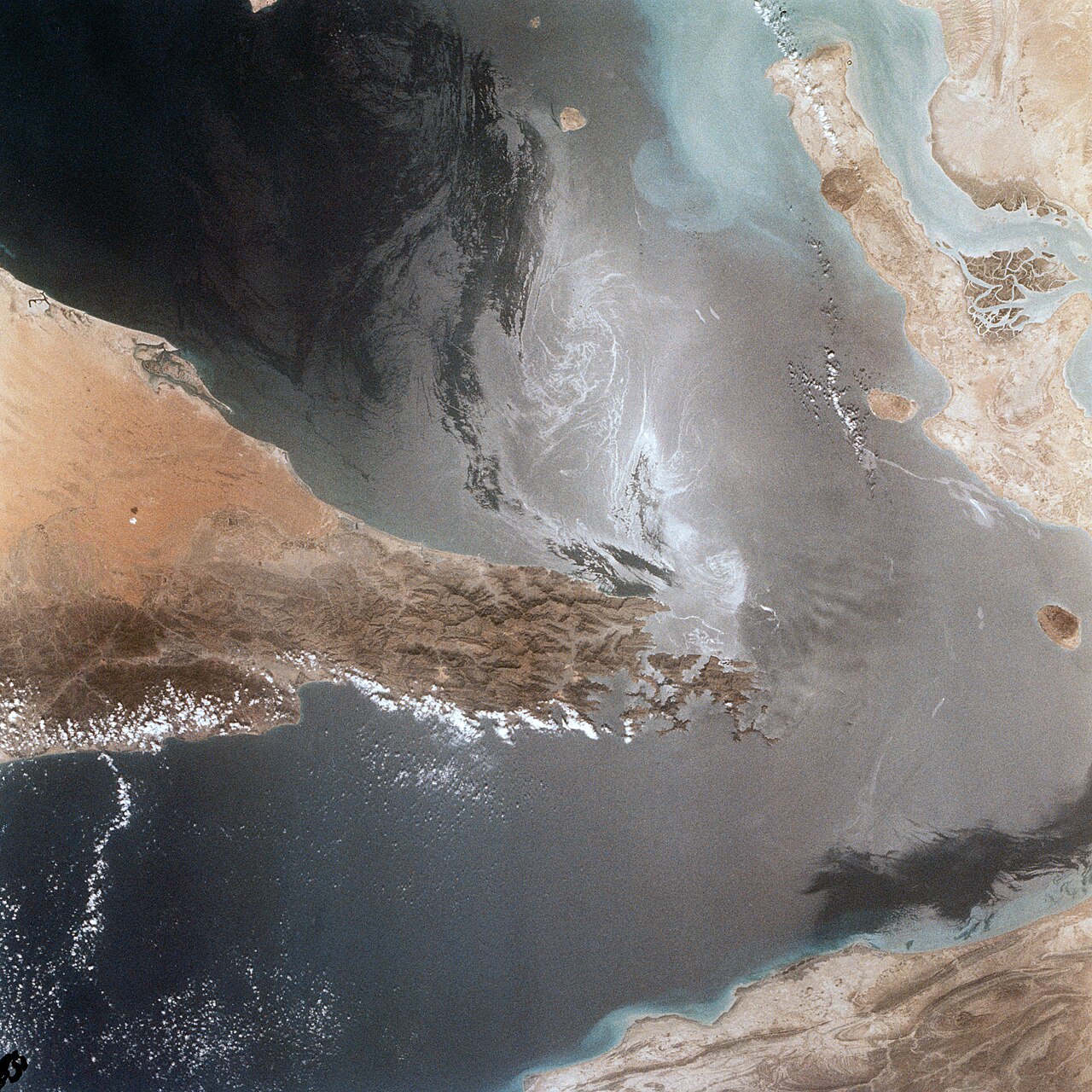
CENTCOM said southern Hormuz routes remained open to commercial vessels and that US forces had helped more than 1,000 ships transit over the previous three months despite Iranian aggression. In a separate statement, CENTCOM said it had redirected 45 vessels under the Iran blockade since mid-July. Later B92 coverage also cited 35 commercial vessels redirected by August 2 under the same blockade framework.
Those numbers show why Hormuz alone became the bargaining chip. Even after the June memorandum and July relapse, the strait remained the war’s most visible global pressure point.
Catch-up endpoint
From Day 66 Project Freedom (May 4) to August 9, the arc is complete enough to read:
- May: blockade enforcement and “largely negotiated” diplomacy
- June: 14-point MOU
- July: ship attacks, blockade restart, 20 percent guardian toll
- August: Oman temporary framework, Iranian six conditions, Trump Hormuz-only end-state
That is the spine to today.
Sources
- B92 / Wall Street Journal, August 9, 2026: Trump private option to end war without nuclear deal if Hormuz reopens; Iranian high-price conditions
- Middle East Spectator, August 9, 2026: WSJ summary that nuclear deal no longer necessary if Hormuz reopens
- B92 / Channel 13 and CNN-linked package, August 8, 2026: Israeli independent-action planning; Caine exit advice
- B92 / CENTCOM statements, early August 2026: 1,000-plus assisted transits; blockade redirects