Paper reopen, thin traffic
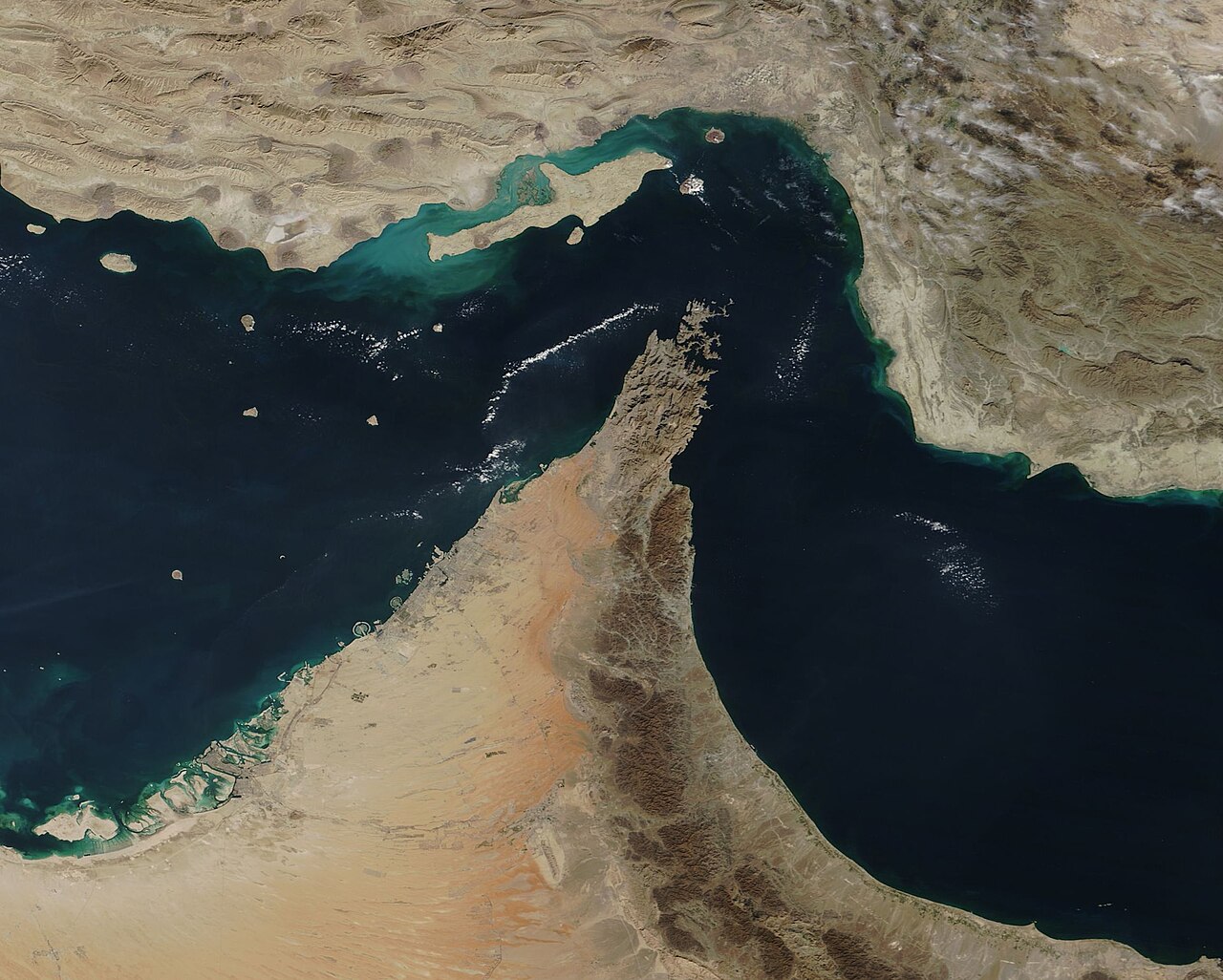
More than three weeks after the June 17 US-Iran memorandum of understanding, the Strait of Hormuz was open on paper but still far from normal, Al Jazeera reported on July 9 using PortWatch data through July 5.
Only 513 ships transited in the first 18 days after reopening, from June 18 to July 5, an average of about 28 ships a day. Before the war, about 100 ships passed daily, roughly half of them oil tankers carrying a combined 20 million barrels of crude.
That gap is the real story of late June and early July. The MOU said commercial traffic would restart immediately. The waterway did reopen. Volume did not.
Dual corridors and the mine problem
Many vessels avoided pre-war channels because of naval mine risk. Instead they used two corridors: one through Iranian waters and another through Omani waters under US oversight. The central section, believed most heavily mined, stayed largely unused.
Iran’s Islamic Revolutionary Guard Corps said ships must use Tehran-designated routes and rejected the Omani-side corridor. The IRGC warned that ships ignoring Iranian instructions could face attacks. That dispute set up the July 6-7 ship strikes that followed.
AIS tracking also undercounted reality. Some ships switched transponders back on after the MOU. Others kept them off, making complete volume estimates harder.
Seafarers still stuck
About 6,000 seafarers remained stranded in the Gulf, the International Maritime Organization said. Many were aboard ships unable to transit safely after months of conflict and repeated attacks on commercial vessels.
Fees already on the horizon
Iran said it intended to introduce transit fees once the 60-day transition period ended. The United States and many shipping companies treated Hormuz as an international waterway that should stay free. President Donald Trump said any fees would be “unacceptable.”
That argument returns as the July 13 “guardian of Hormuz” 20 percent reimbursement claim and the August Iranian conditions list.
Why this article matters
Without the traffic numbers, the June MOU looks like a clean reopening. With them, it looks like a partial, fragile restart that never restored pre-war energy flow before the next kinetic round.
Sources
- Al Jazeera, Marium Ali, July 9, 2026: PortWatch 513 ships / 28 a day; dual corridors; mines; 6,000 seafarers; fee dispute; ship-attack sequence context
- Cross-check: June 17 MOU terms on immediate commercial passage and 60-day no-charge language