Talks in Doha, strikes in the south
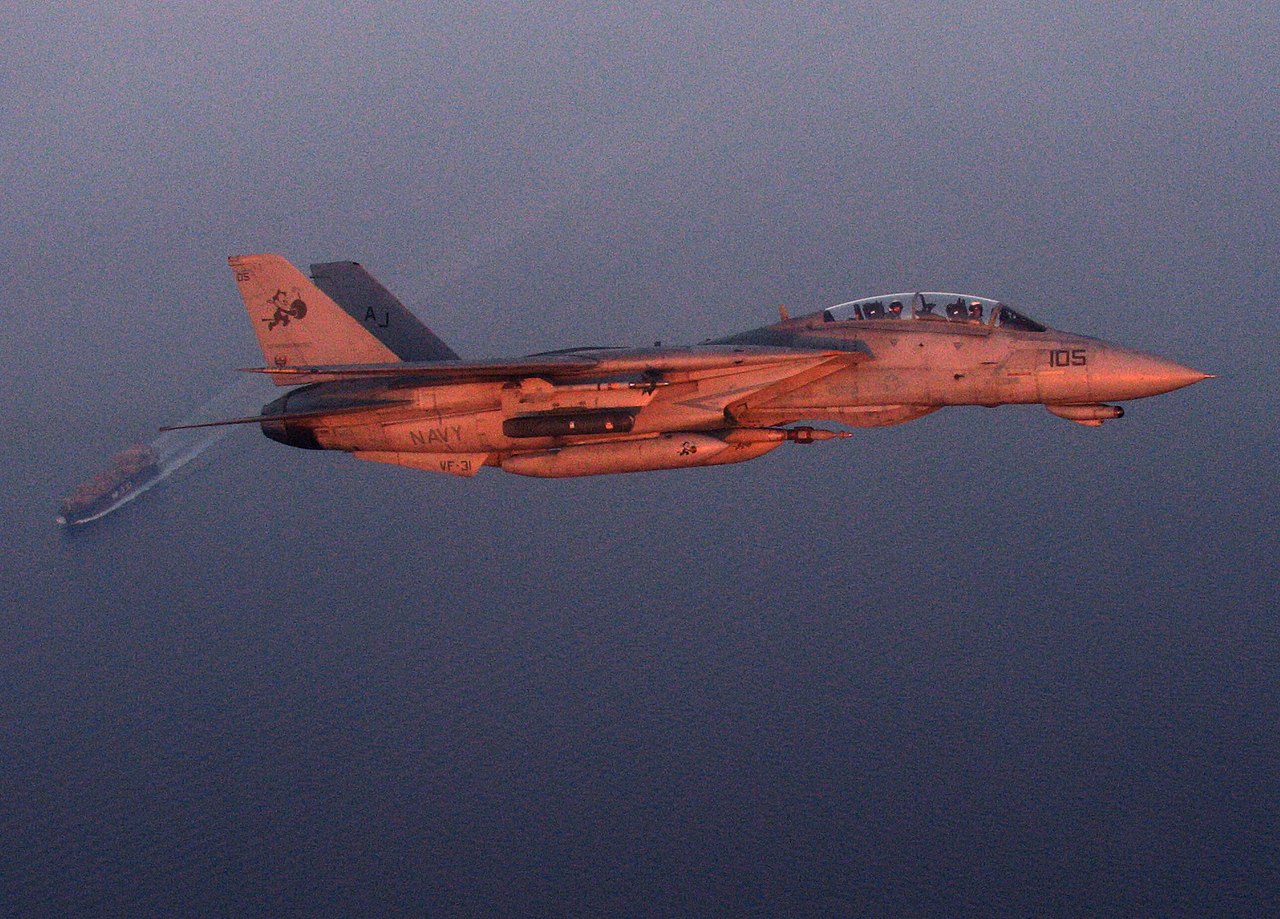
Hours after Iranian negotiators arrived in Qatar for talks on ending the war, US forces struck missile launch sites in southern Iran and boats trying to emplace mines, US officials said on May 25. US Central Command called the strikes defensive and said they were meant to protect American troops from threats posed by Iranian forces.
“Central Command continues to defend our forces while using restraint during the ongoing cease-fire,” Capt. Tim Hawkins, a CENTCOM spokesperson, said in a statement carried by multiple outlets, including a New York Times report republished by the Mercury News and Al Jazeera.
CENTCOM did not publish a full battle-damage assessment in those accounts. Iranian sources told Al Jazeera the Islamic Revolutionary Guard Corps had targeted a vessel at sea before the US strikes and that several IRGC personnel were killed. That Iranian claim was not independently confirmed in the same reports.
Who sat at the table
According to Iranian state media and diplomats cited in the Mercury News package, Iran’s Doha delegation was led by parliament speaker Mohammad Bagher Qalibaf and included Foreign Minister Abbas Araghchi. The arrival of that group was the diplomatic headline of the day even as the Gulf coast strikes landed the same night.
President Donald Trump said peace talks were “proceeding nicely” while insisting he would not accept a weak package. On Truth Social he wrote that it would be a “Great Deal for all or, no Deal at all,” with a return to fighting “bigger and stronger than ever before” if talks failed, Al Jazeera reported.
Trump also tried to link any Iran settlement to wider Abraham Accords expansion by Muslim-majority states including Qatar, Saudi Arabia, and Pakistan. Coverage noted those governments were highly unlikely to sign such terms as part of an initial Iran package.
Nuclear red lines still unresolved
On Monday evening Trump said he expected Iran either to turn enriched uranium over to the United States or destroy it in front of neutral witnesses. A senior US official had told reporters the day before that Iran had, in principle, committed to giving up enriched stockpiles. Iranian foreign ministry spokesperson Esmaeil Baghaei said the same day that Iran was not discussing details of its nuclear program.
Baghaei also cooled talk of an imminent signature. “It is true that we have reached conclusions on a large portion of the issues, but no one can claim that the signing of an agreement is imminent,” he said, according to Iran’s state broadcaster as quoted in the Mercury News report.
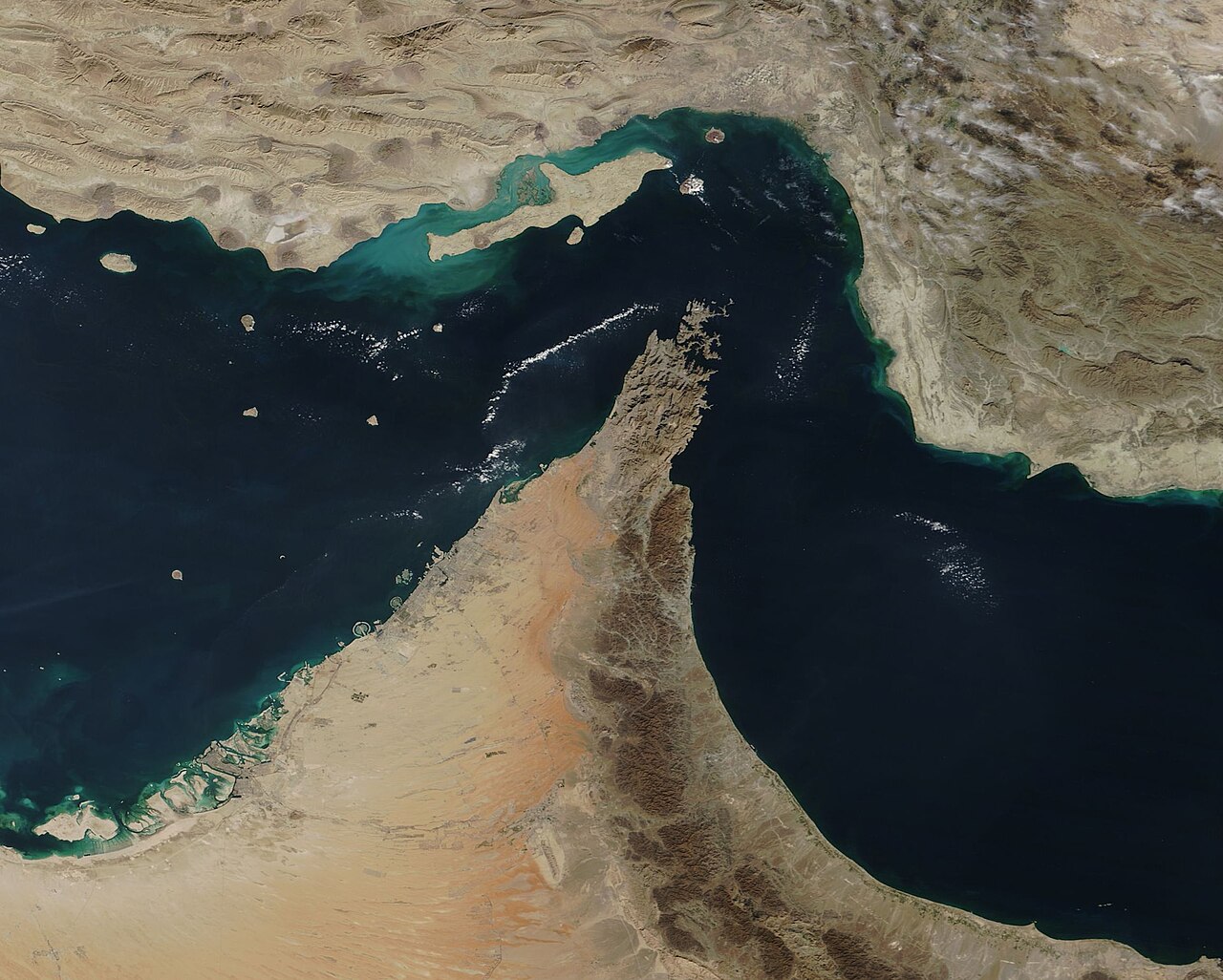
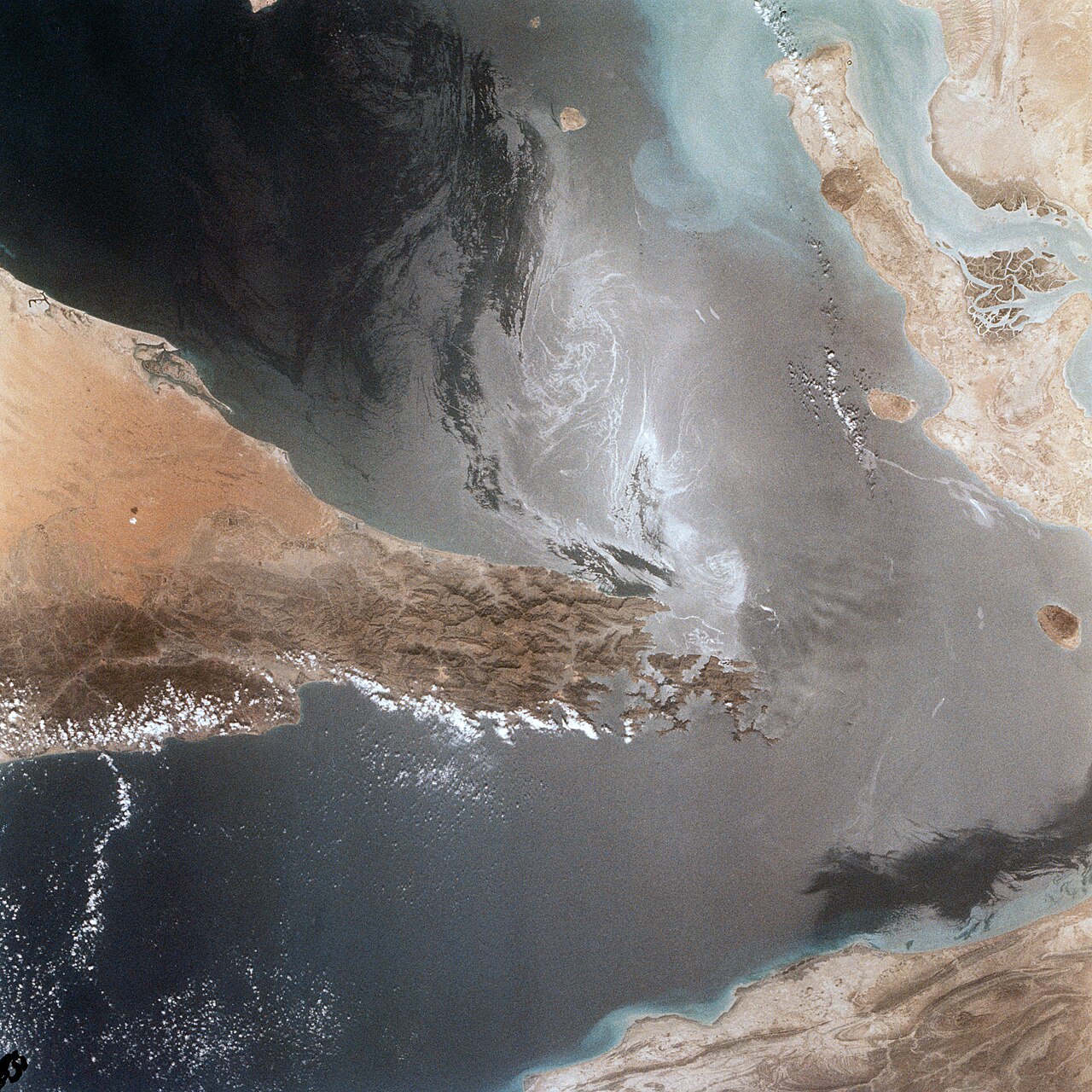
Other open issues listed in the same coverage included Iran’s missile stockpile and any formula for Hormuz control. Iran had blockaded much of the strait since late February, throttling oil and gas flows.
Ceasefire language under stress
A ceasefire between the United States and Iran had been officially in place since early April (April 7-8 depending on the outlet’s dating). Al Jazeera’s Washington correspondent noted that similar skirmishes had occurred after the truce began and that Trump had previously said he did not consider all of them breaches.
The same day, Israel signaled it planned to intensify fighting against Hezbollah in Lebanon. Iran has said any broader agreement should cover both the US-Israel war track and the Lebanon front, making a Lebanon flare a direct risk to Doha diplomacy.
At Arlington National Cemetery on Memorial Day, Trump paid tribute to 13 US service members killed in the Iran war and said they had helped ensure Iran would never have a nuclear weapon. Oil markets, watching the dual track of talks and strikes, saw Brent settle below $94 a barrel, down 6.5% on the day, while remaining roughly 30% above pre-war levels, the Mercury News report said.
Why May 25 matters in the catch-up arc
This is the clearest single-day example of the May pattern: high-level mediation in Qatar, public optimism from Washington, Iranian denial that a signature is close, and kinetic action at sea and on the Gulf coast under a formal ceasefire. It sits between Trump’s May 23 “largely negotiated” claim and the late-May tentative 60-day extension package.
Sources
- Mercury News republication of New York Times reporting, May 25, 2026: Doha arrival, CENTCOM defensive strikes, Hawkins quote, Trump uranium demand, Baghaei statements, Qalibaf/Araghchi delegation, oil move
- Al Jazeera, May 25-26, 2026: CENTCOM self-defense framing; mine-laying boats and missile sites; IRGC vessel claim; ceasefire since early April; Trump Truth Social posts on deal terms and Abraham Accords