Trump’s claim
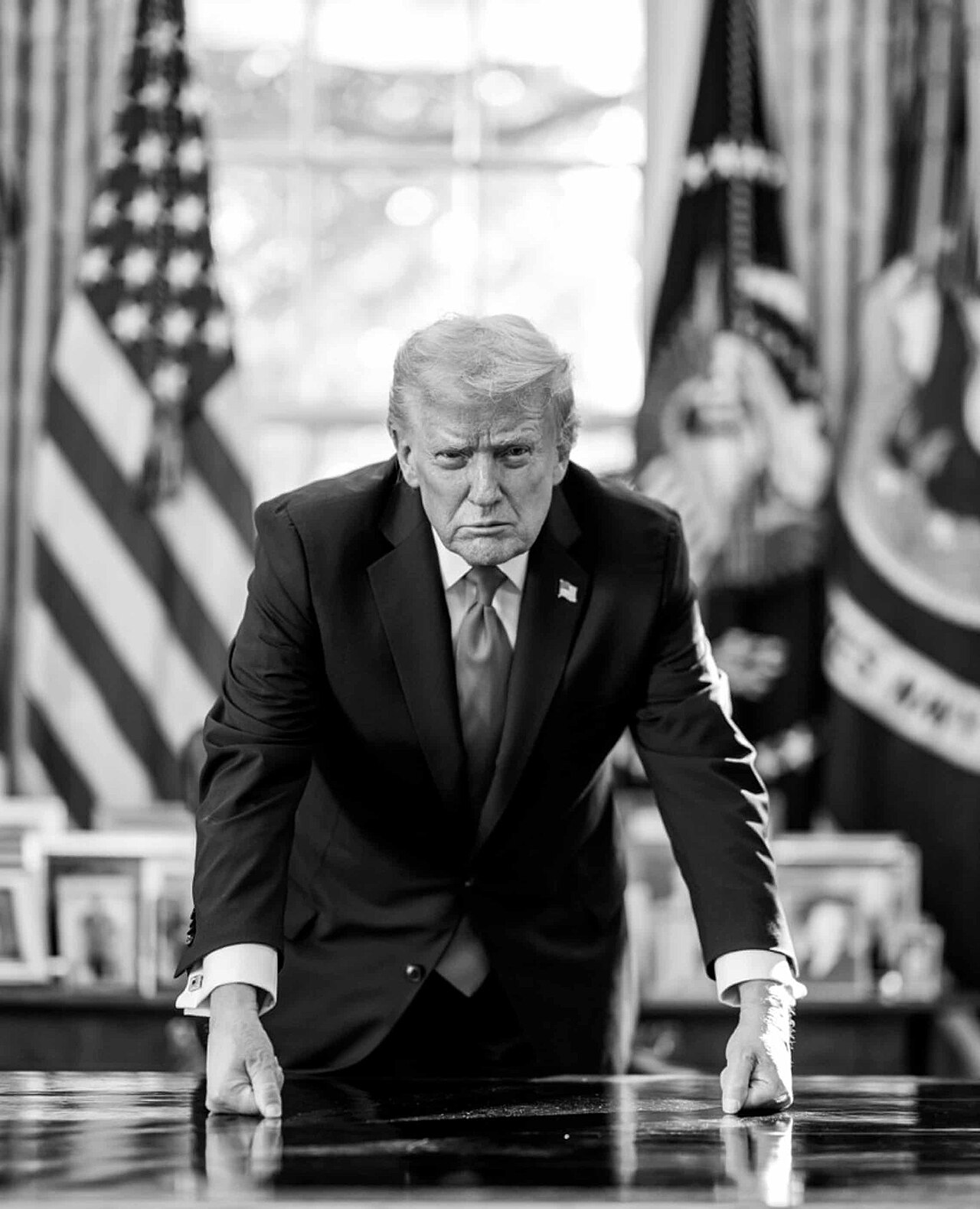
President Donald Trump said on May 23 that a deal with Iran covering the war and the reopening of the Strait of Hormuz had been “largely negotiated,” according to an Associated Press report carried by PBS NewsHour. “Final aspects and details of the Deal are currently being discussed, and will be announced shortly,” he wrote on social media, without publishing terms.
Trump said he had spoken with leaders from Saudi Arabia, the United Arab Emirates, Qatar, Pakistan, Turkey, Egypt, Jordan, and Bahrain, and separately with Israeli Prime Minister Benjamin Netanyahu. He described the product as a “Memorandum of Understanding pertaining to PEACE” that still had to be finalized by the United States, Iran, and the other countries on those calls.
There was no immediate public comment from Iran or Israel in the same AP dispatch. Trump said the conversation with Netanyahu, who had pressed Washington to stay on a hard war footing, went “very well.”
What mediators said was on the table
Earlier the same day, a regional official with direct knowledge of Pakistan-led mediation told AP that Washington and Tehran were closing in on a package to end the war. The official spoke on condition of anonymity and warned that “last-minute disputes” could still collapse the effort.
According to that account, the emerging deal would include an official declaration that the war was over, two months of negotiations on Iran’s nuclear program, reopening of the Strait of Hormuz, and an end to the US blockade of Iranian ports. Pakistani army chief Asim Munir had held additional talks in Tehran, and Iran had signaled “narrowing differences,” the official said.
Pakistan Prime Minister Shehbaz Sharif later welcomed Trump’s diplomacy and said Islamabad hoped to host the next round of talks soon. In a post on X, Sharif praised discussions among regional leaders as “very useful and productive.”
Iran’s framing: framework, not finish line
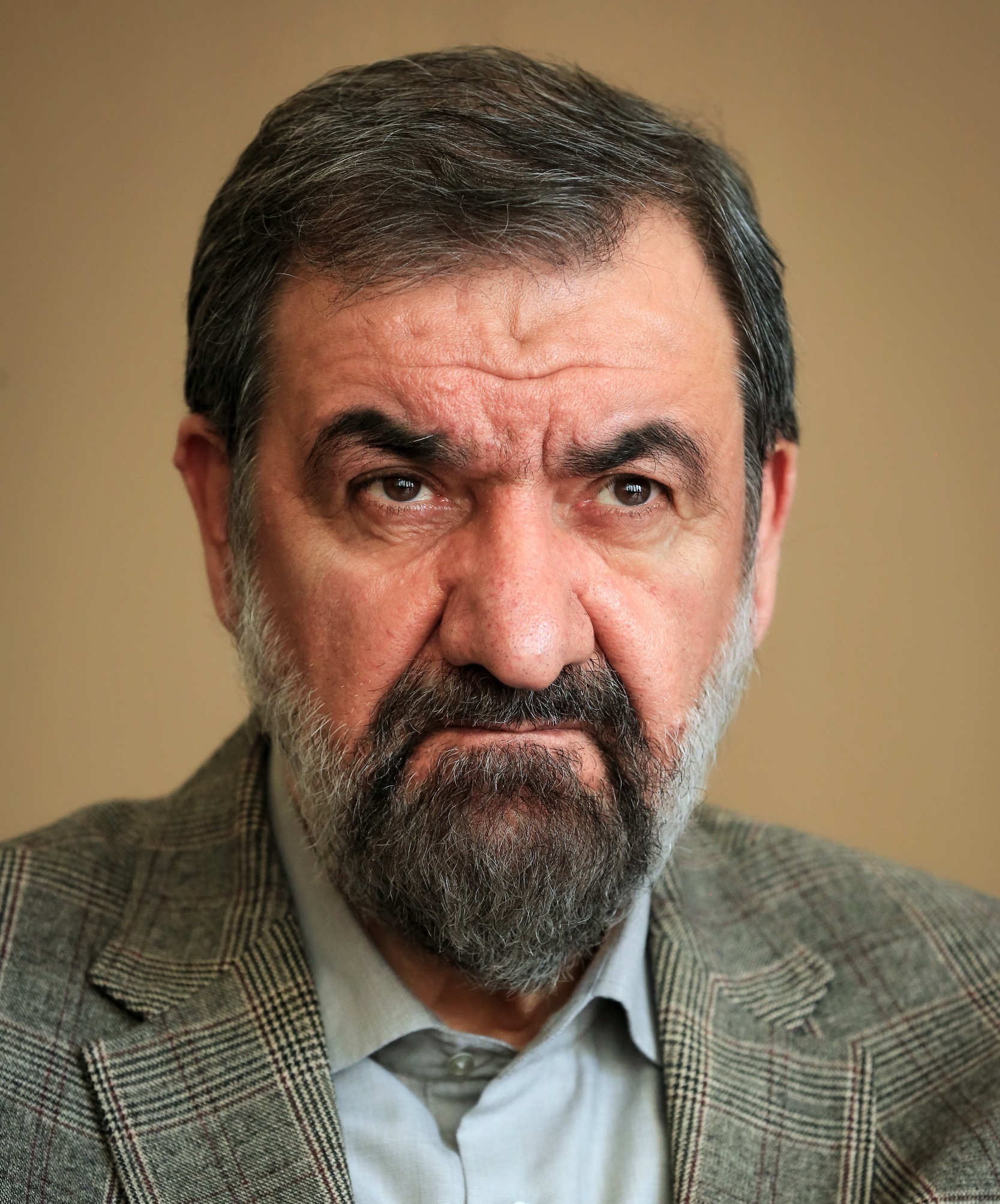
Iran state television quoted Foreign Ministry spokesperson Esmail Baghaei describing the draft as a “framework agreement.” Baghaei said Tehran wanted the main issues needed to end the war settled first, then 30 to 60 days of detail work toward a final text. Hormuz was among the topics, he said.
Baghaei also told IRNA that nuclear questions were not part of the current track. “Our focus at this stage is on ending the war on all fronts, including Lebanon,” he said, adding that lifting sanctions on Tehran “has explicitly been included in the text and remains our fixed position.”
Hezbollah’s Al-Manar television reported that the group’s leader received a letter from Iranian Foreign Minister Abbas Araghchi saying Tehran would not abandon its allies. A fragile US-brokered Israel-Hezbollah ceasefire in Lebanon remained in place alongside the Iran war track.
Why the announcement landed now
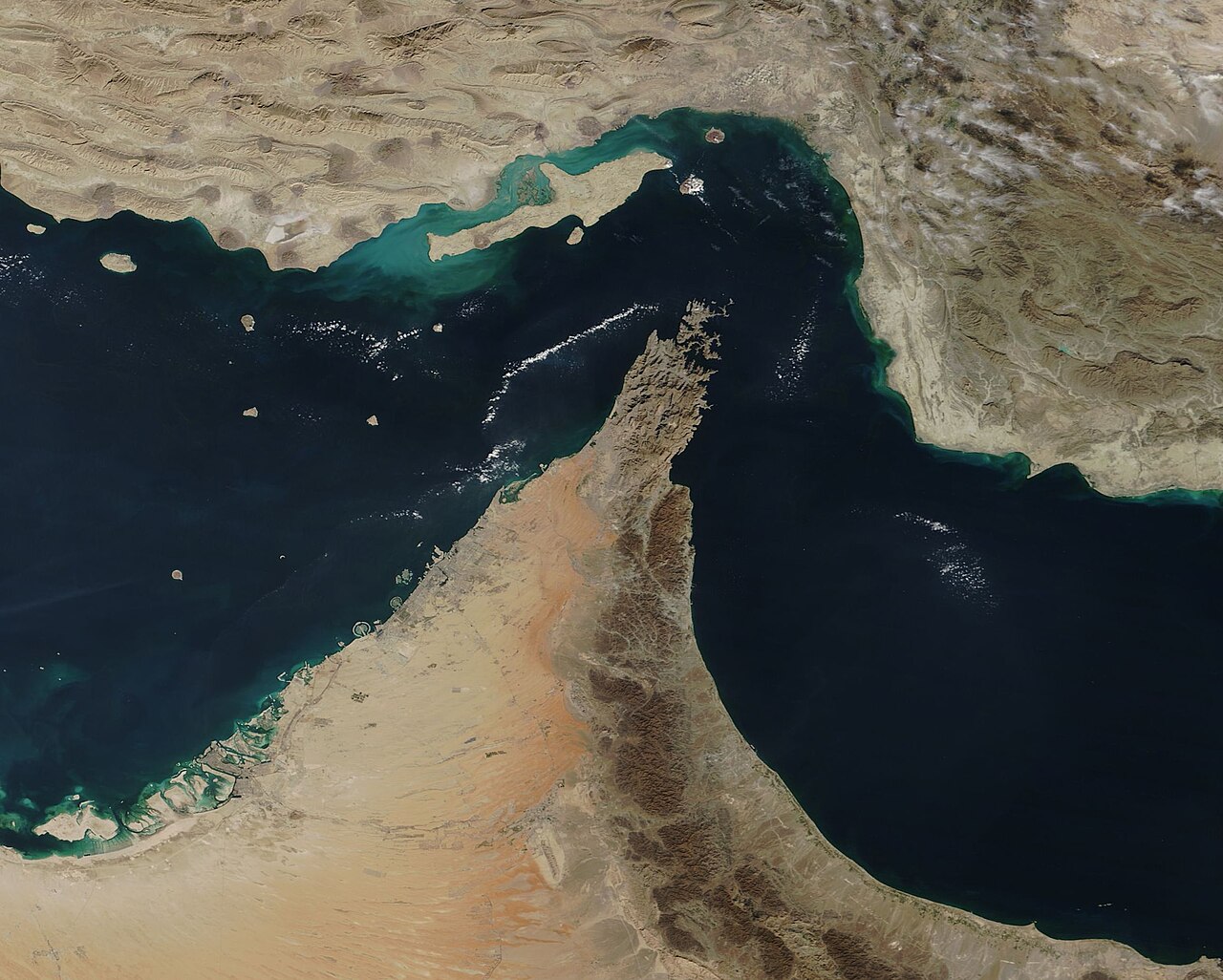
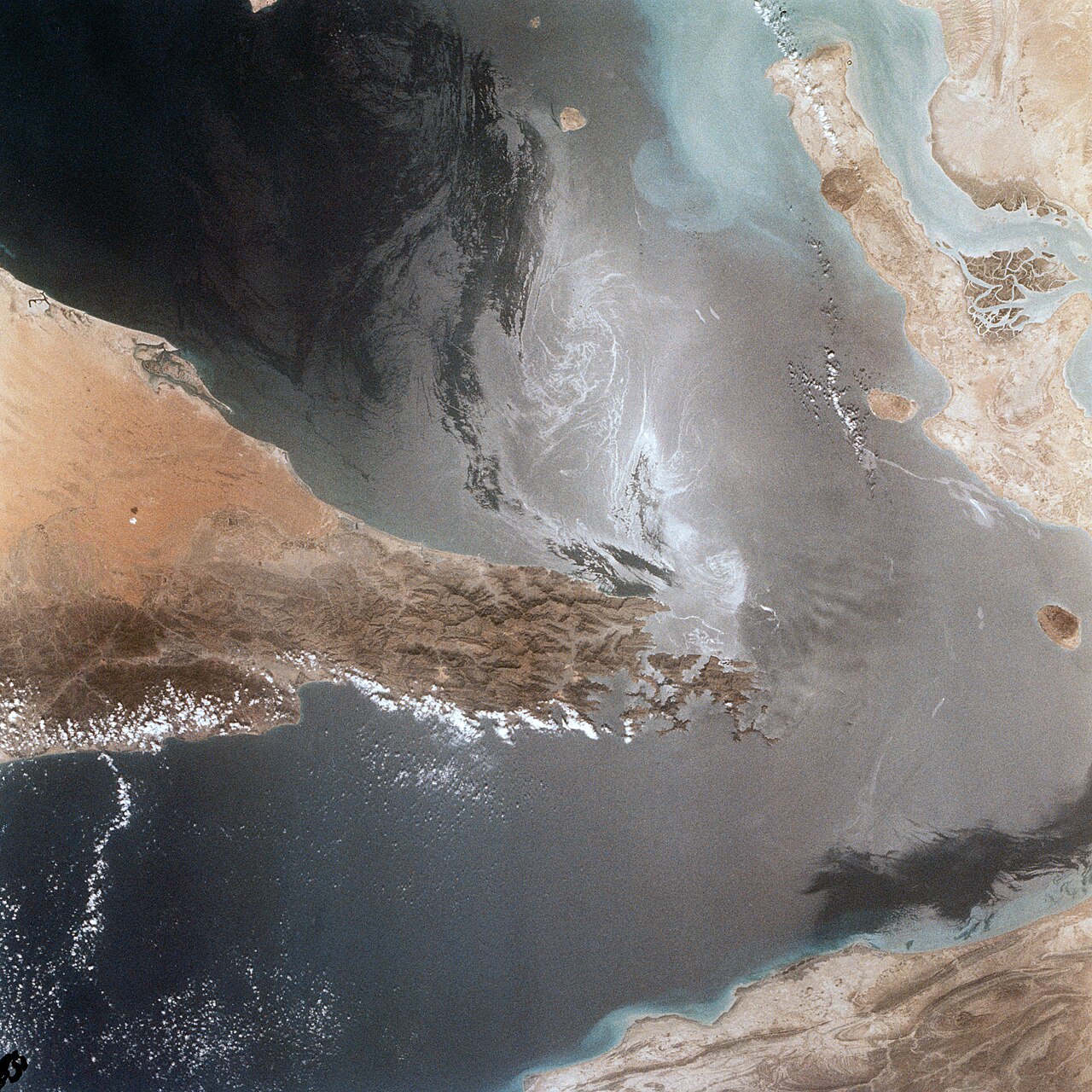
By May 23 the war was about twelve weeks old. AP noted that a ceasefire had held since April 7, after the Feb. 28 US-Israel opening strikes that killed top Iranian officials, including the previous supreme leader. Iran’s effective closure of Hormuz to much regional energy traffic remained the central economic pressure point.
The same week, Washington had weighed new attacks that would break the ceasefire. Trump had already delayed a planned strike after Gulf allies asked him to hold fire. Iranian parliament speaker Mohammad Bagher Qalibaf, who had led face-to-face talks with the US in Islamabad a month earlier, said Iran had rebuilt military assets and that any renewed US attacks would face a “more crushing and more bitter” response.
Trump’s “largely negotiated” line therefore sat between two realities: a mediated memorandum taking shape, and a maritime-military confrontation that had not fully stopped. The announcement set expectations for a public MOU in June. It did not, by itself, reopen the strait or end the blockade.
Sources
- Associated Press via PBS NewsHour, Munir Ahmed, Samy Magdy, Darlene Superville, published May 23, 2026 (updated May 24): Trump statement, regional calls, Pakistan mediation, Baghaei quotes, ceasefire since April 7
- Cross-check language with later May 29 reporting on the tentative 60-day extension package (PBS/AP/Al Jazeera)