Two more tankers stopped at sea
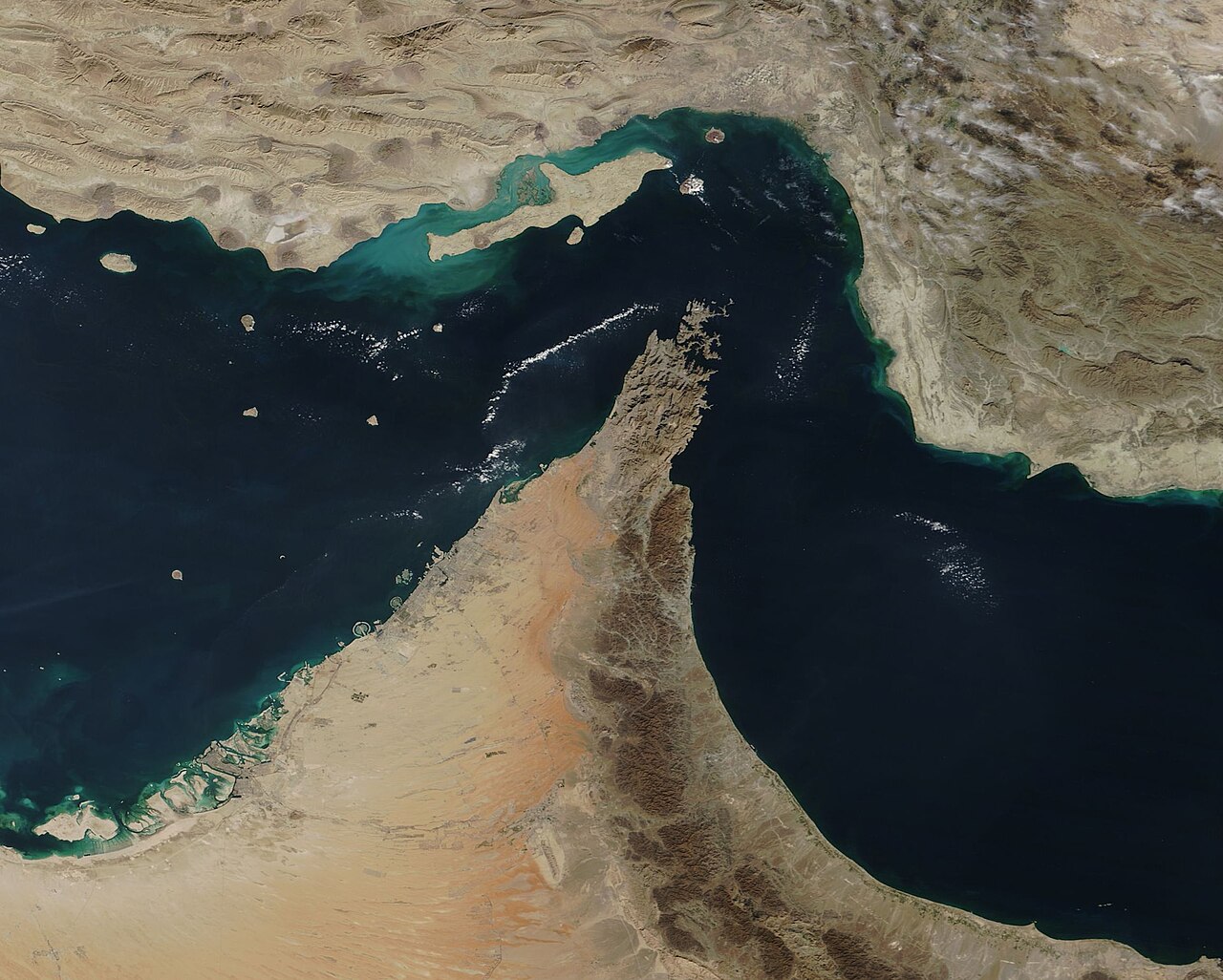
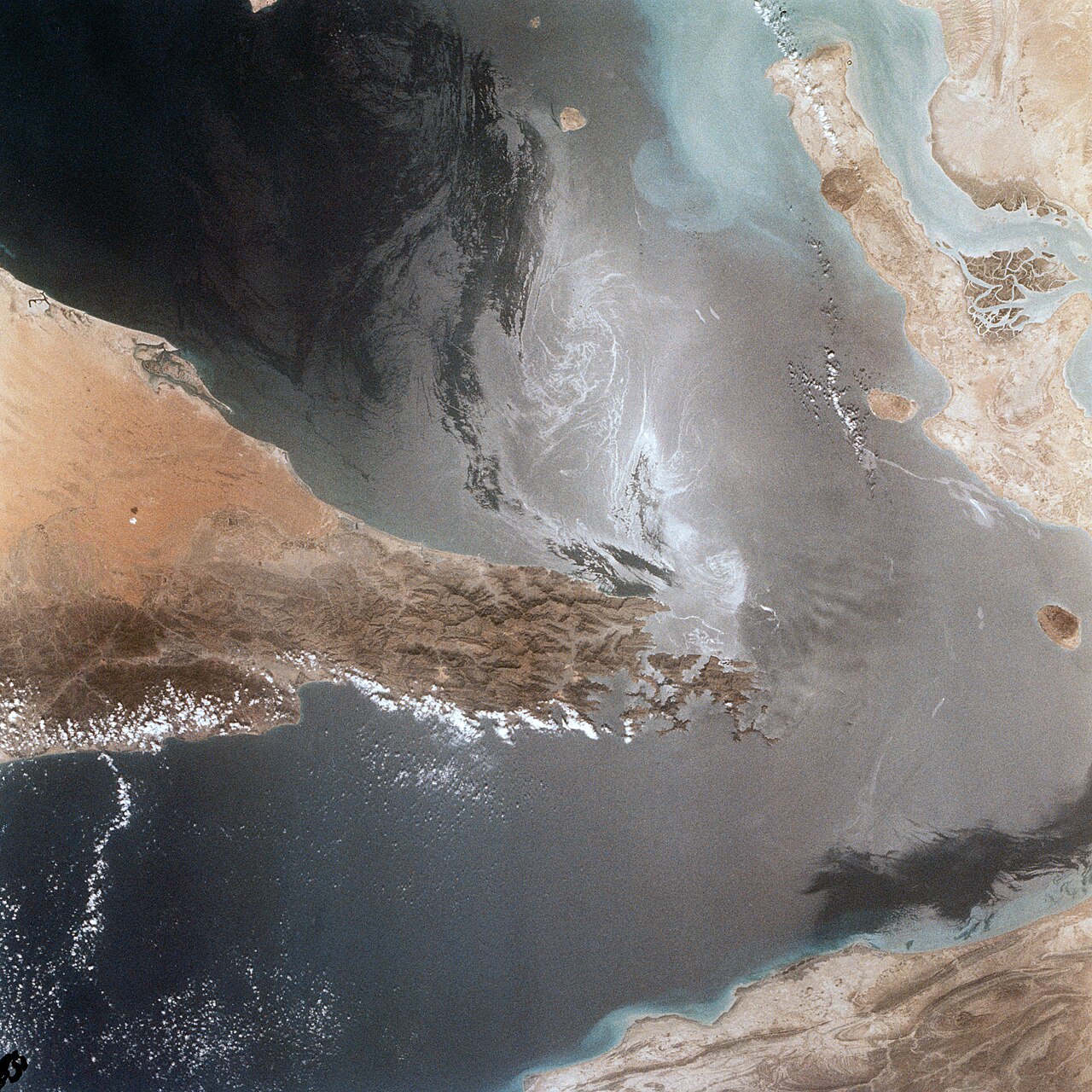
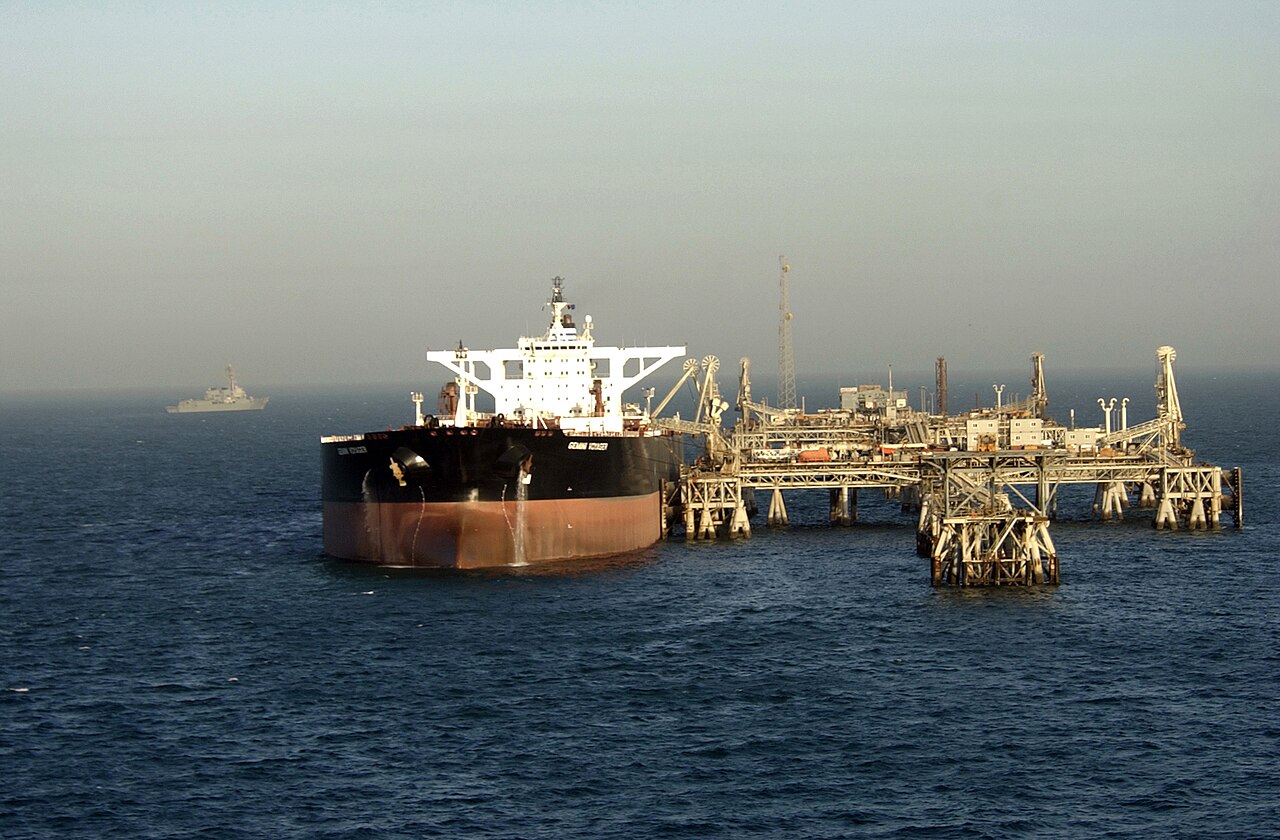
U.S. forces disabled two more Iranian-flagged oil tankers on May 8 after the ships tried to cross a U.S. Navy blockade in the Strait of Hormuz approaches, U.S. Central Command said. An F/A-18 Super Hornet launched from USS George H.W. Bush fired precision munitions at the smokestacks of M/T Sea Star III and M/T Sevda, disabling both vessels before they could reach an Iranian port on the Gulf of Oman, Defense News reported, citing CENTCOM.
The Friday action followed a nearly identical interception two days earlier. On May 6, CENTCOM said U.S. forces tracked the Iranian-flagged unladen tanker M/T Hasna moving toward the Gulf of Oman. After the crew ignored repeated warnings, a Super Hornet from USS Abraham Lincoln fired several 20mm cannon rounds into the tanker’s rudder and stopped the ship, Navy Times reported from the command’s account.
None of the public U.S. statements cited in those reports said crew members were killed. All three ships were described as unladen oil tankers.
Blockade rules and Project Freedom pause
Washington announced the naval blockade on April 12, framing it as a ban on vessels entering or leaving Iranian ports through the Strait of Hormuz system. By May 8, CENTCOM said U.S. forces had turned away 50 commercial vessels since the blockade began, according to Defense News.
The same week, the short-lived Project Freedom escort mission was already being walked back. After U.S. forces on May 5 destroyed six Iranian small boats plus cruise missiles and drones that CENTCOM said the Islamic Revolutionary Guard Corps launched against escorted shipping, President Donald Trump said on Truth Social that Project Freedom was paused for a “short period of time” while talks with Iran continued, Navy Times reported.
Adm. Brad Cooper, the CENTCOM commander, said U.S. forces in the Middle East “remain committed to full enforcement of the blockade of vessels entering or leaving Iran.”
Talks continue while the strait stays kinetic
The maritime crackdown landed on top of a fragile political track. Trump told ABC News the ceasefire that had held for about four weeks was still in effect and described recent U.S. strikes as a “love tap.” On May 7, after Iran launched missiles, drones, and small boats at three U.S. Navy vessels in the strait, U.S. forces struck Iranian military facilities, Defense News reported.
PBS NewsHour’s May 8 report showed the same tension from a different angle. While fighter jets hit Iranian tankers as part of the blockade, Secretary of State Marco Rubio was in Rome pressing European governments to do more to reopen the strait. Nick Schifrin’s package framed the day as a tug-of-war in Hormuz that was also pulling at ceasefire diplomacy.
U.S. and Iranian negotiators were, in the same period, discussing a wider package that officials said could end the war and address Iran’s nuclear program. No final text had been published by May 8.
Why the tankers matter
Disabling empty tankers is blockade enforcement, not a classic fleet battle. Each interception is meant to show that Iranian ports remain closed to commercial traffic while Washington tries to keep a diplomatic off-ramp open. The pattern also shows the limits of the ceasefire language both sides still use. If empty hulls trying to reach Iranian terminals are fair game for Super Hornets, the maritime front is active even when leaders talk about a deal.
The next test is whether the tanker interdictions harden into a permanent exclusion zone or become bargaining chips in the memorandum talks already circulating in Washington and regional capitals.
Sources
- Defense News / Military Times, Riley Ceder, May 8, 2026: CENTCOM account of Sea Star III and Sevda; Cooper quote; 50 vessels turned away; weekly sequence
- Navy Times, Riley Ceder, May 6, 2026: M/T Hasna rudder strike from USS Abraham Lincoln; Project Freedom pause; April 12 blockade start
- PBS NewsHour, Nick Schifrin and Daniel Okay, May 8, 2026: Friday tanker strikes during blockade; Rubio in Rome; diplomacy vs. force framing