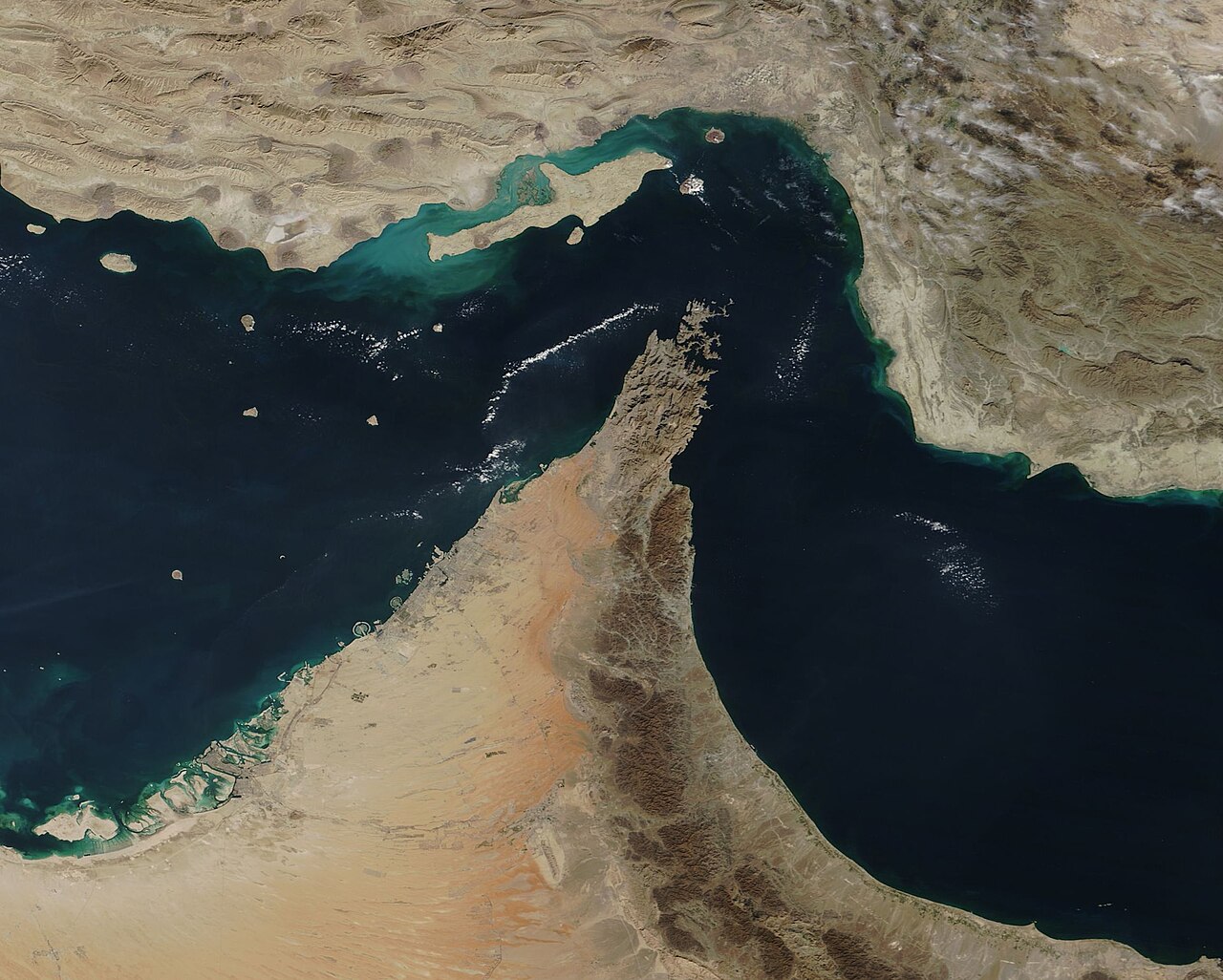
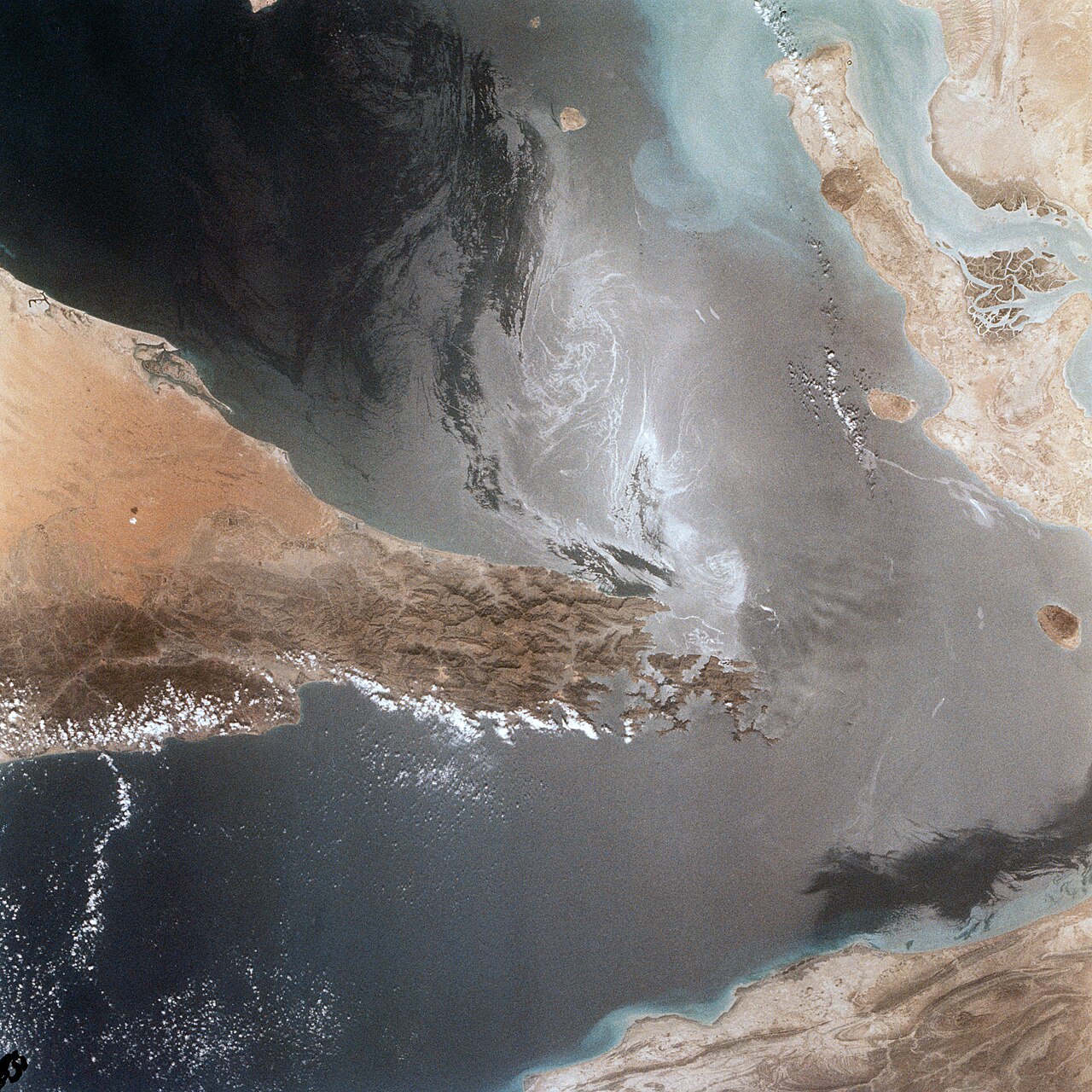
The 56th day of the 2026 Iran War brought new signs that the fragile ceasefire between the United States and Iran is under severe strain. Hezbollah carried out multiple attacks against Israeli forces in Lebanon, Iran published a list of eight Gulf energy facilities it could strike, and the IRGC naval forces laid additional mines in the Strait of Hormuz.
The developments come as a third American aircraft carrier arrived in waters near Iran and ceasefire negotiations between Washington and Tehran remain deadlocked.
Morning: Carrier Arrival and Navy Seizure
The day began with a significant military development. A third American aircraft carrier arrived in waters near Iran, CNN reported, citing multiple sources familiar with the planning. US military officials are developing new plans to attack Iranian defensive capabilities in the Strait of Hormuz if the current ceasefire collapses.
Earlier, the US Navy Guided Missile Destroyer USS SPRUANCE intercepted the Iranian-flagged cargo ship TOUSKA in the Gulf of Oman. The vessel, nearly 900 feet long and previously under US Treasury sanctions, refused to stop for inspection. The US Navy blew a hole in its engine room before Marines took custody of the ship and its crew.
The Pentagon also signaled frustration with NATO allies. According to Kurir.rs, the Defense Department is considering punitive measures against Spain and the United Kingdom for their lack of support in the Iran war. Measures under discussion include suspension from the Alliance and a change in the US position on the Falkland Islands. Trump told the BBC that allies should have participated in the action against Iran, calling it a test of their commitment.
Midday: Ceasefire Extension and Energy Threat
Despite the tensions, there was a diplomatic development. Trump announced that Israel and Lebanon had agreed to extend their ceasefire for three more weeks at a White House meeting. Brent crude rose to $105.80 per barrel anyway, as markets worried that Israel-Lebanon fighting could disrupt the fragile US-Iran ceasefire.
Tehran warned that those clashes violate the truce terms. Pope Leo XIV, returning from Africa, called on Tehran and Washington to return to negotiations and condemned reports that Iranian authorities killed thousands during antigovernment protests.
The most alarming development came from Iranian state media. IRINN broadcast a map marking eight energy facilities across four Gulf countries as targets if the ceasefire collapses.
The facilities named:
- Saudi Arabia: Abqaiq oil refinery (processes 7% of global supply), Safaniya offshore oil, Khurais oil production
- UAE: Das Island oil and LNG, Zirku Island offshore oil
- Qatar: Ras Laffan LNG production, RasGas LNG production
- Kuwait: Burgan oil production
Afternoon: Lebanon Army Deployment and Hezbollah Attacks
Lebanon announced readiness to deploy its army to disarm Hezbollah and other non-state armed groups, conditional on Israeli forces withdrawing from Lebanese territory. The move fulfills a key ceasefire requirement and marks a significant step toward state monopoly on weapons in the country.
But the situation on the ground remained volatile. The IDF launched airstrikes across southern Lebanon after a volley of rockets was fired from Lebanese territory into Israeli territory. The IDF Air Force intercepted the launches near the Shtula area. Hezbollah claimed responsibility for the attack, marking its sixth claim of responsibility in a single day.
Evening: Hezbollah Drone Strike and Hormuz Mines
As the day drew to a close, two developments further raised tensions. Iranian Revolutionary Guard Corps naval forces laid additional mines in the Strait of Hormuz in recent days, according to a US official and a source with direct knowledge of the situation. The development comes as ceasefire negotiations remain fragile, with Gulf states on alert.
Hezbollah then shot down an Israeli Hermes-450 drone over Tyre using surface-to-air fire, and later attacked an Israeli soldier gathering in Qantara with an FPV drone, inflicting confirmed casualties.
Other Developments
American journalist Shelley Kitlson, kidnapped in Baghdad on March 31 by Iran-backed Kataib Hezbollah, was freed and thanked those who worked for her release. The kidnapping was carried out by Kataib Hezbollah, an Iran-backed militia that operates under the umbrella of the Popular Mobilization Forces.
This is a developing story. For real-time updates, follow the Iran War Live Blog.
Day 56 of the 2026 Iran War.