President Donald Trump told CNBC on April 22 that the United States destroyed Iran’s navy, air force and leadership in 52 days of war. He called it regime change. US intelligence assessments describe a state stripped of conventional military capability but still holding significant asymmetric power.
Leadership
Ayatollah Ali Khamenei, Iran’s supreme leader since 1989, was killed in the opening strikes of Operation Epic Fury on February 28, according to multiple reports. His death removed the central authority figure in Iran’s political system.
Several senior IRGC commanders died in the first wave. The exact number remains disputed. Iran has not released a casualty list for its military leadership.
The current power structure runs through President Masoud Pezeshkian, parliament speaker Mohammad Bagher Ghalibaf and a restructured IRGC command. Trump described the new leadership as “much more rational.” Internal divisions are visible in Iran’s contradictory statements about the Islamabad talks.
Navy
From the first night, US strikes hit Iran’s conventional naval forces. Surface combatants, including frigates and corvettes based at Bandar Abbas, were struck with precision munitions.
US intelligence estimates that 90 percent of Iran’s conventional navy has been destroyed. Surviving surface vessels are confined to port.
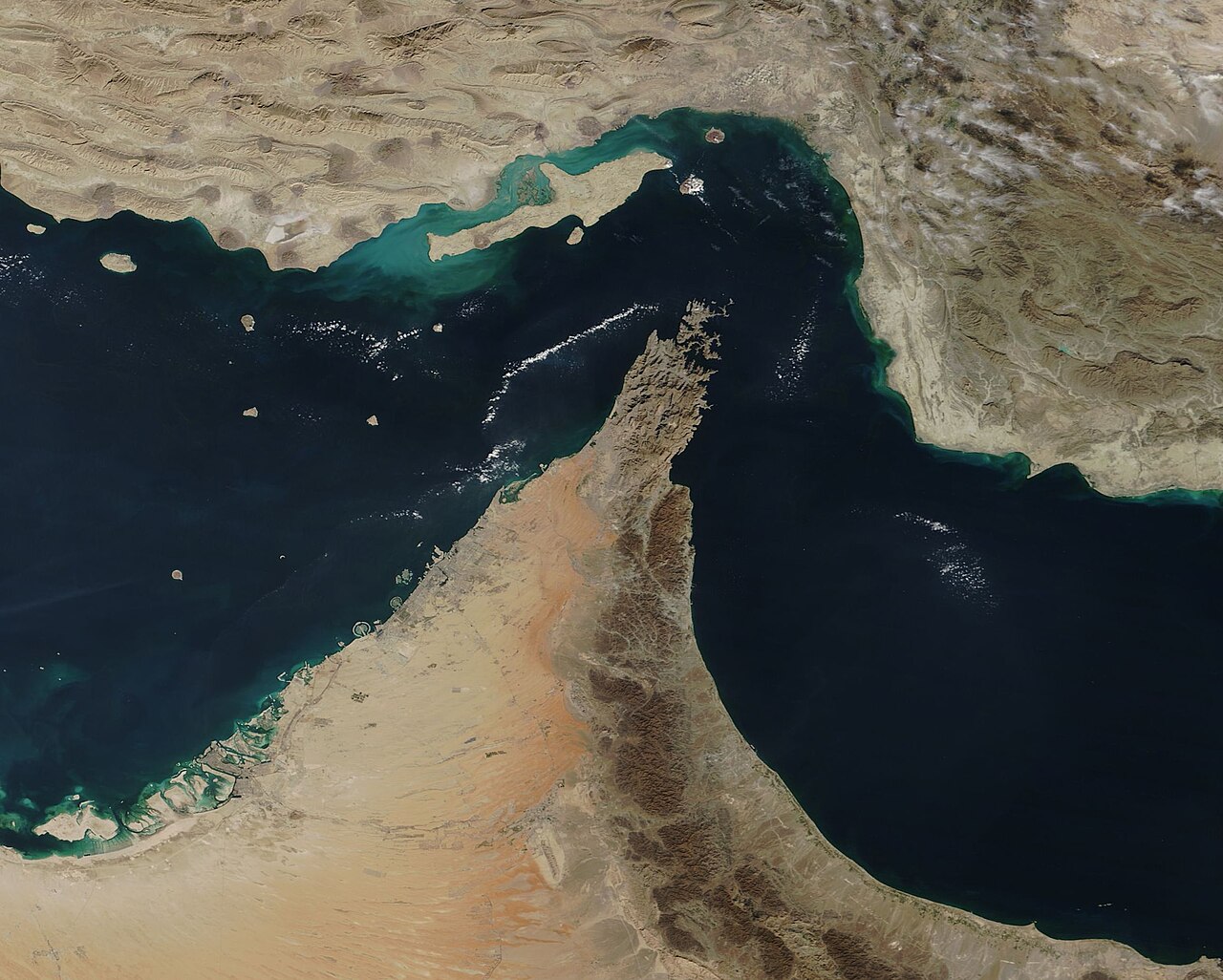
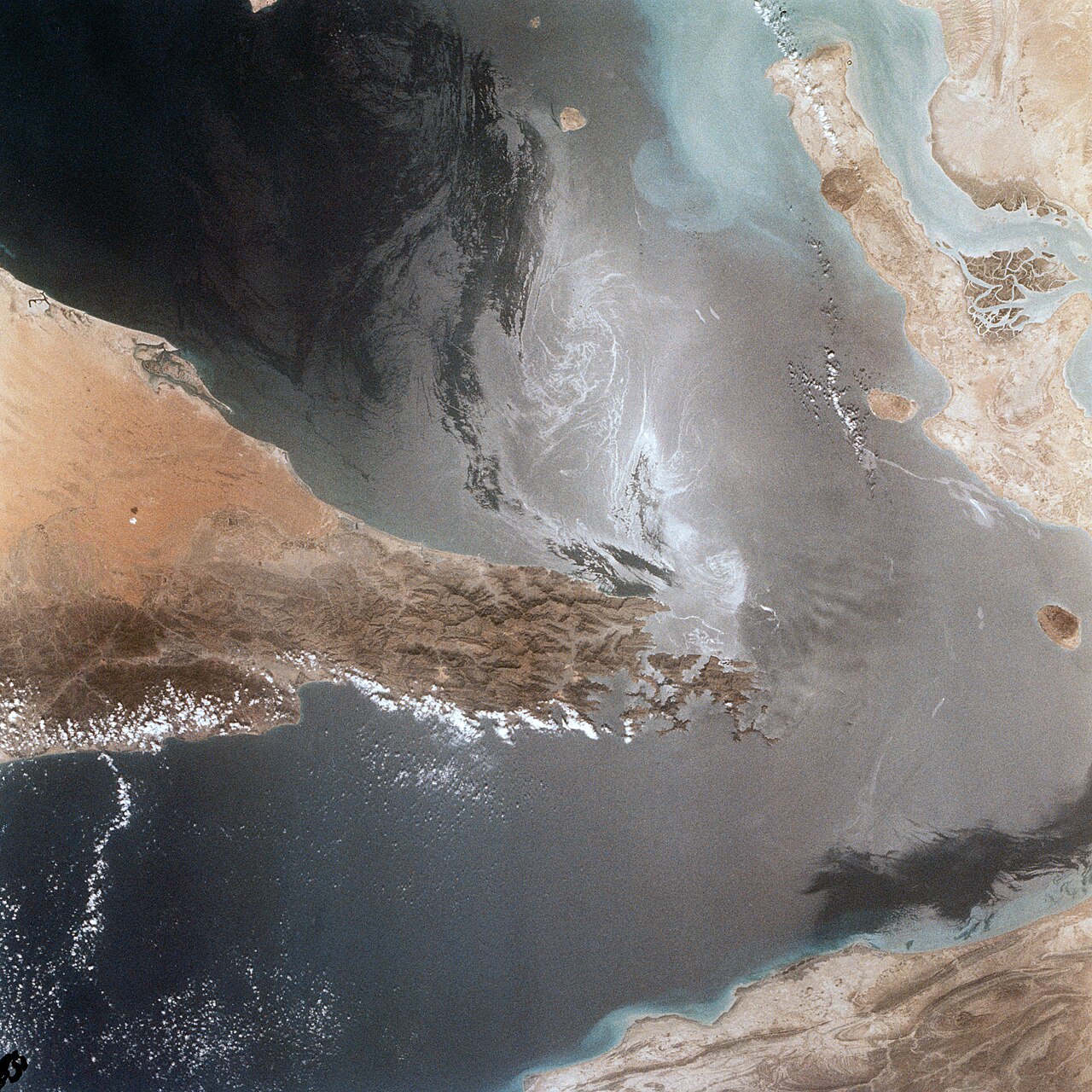
The IRGC Navy’s small boat fleet, known as the “mosquito fleet,” has fared better. An estimated 1,500 fast attack craft remain operational, hidden in coastal caves and bases. These boats carry anti-ship missiles and have kept the US Navy outside the Strait of Hormuz.
IRGC commander General Seyed Majid Mousavi claimed in April that Iran has replenished its missile and drone stockpiles faster during the ceasefire than before the war. The claim could not be independently verified.
Air Force
Iran’s air force was obsolete before the war began. Its fleet of US-made F-14 Tomcats, acquired before the 1979 revolution, plus Russian-made Su-24 and MiG-29 fighters, stood no chance against US and Israeli air superiority.
Trump said the US destroyed Iran’s air force. Satellite imagery reviewed by defense analysts shows significant damage to air bases at Mehrabad, Isfahan and Bandar Abbas. Whether any Iranian combat aircraft remain operational is unclear.
Nuclear Sites
In June 2025, Operation Midnight Hammer, conducted by US Space Forces, struck three Iranian nuclear facilities with what Trump described as precision weapons that “completely destroyed” nuclear dust locations.
The targeted sites, believed to include Fordow and Natanz, were hit with bunker-busting munitions designed to penetrate deep underground facilities. Trump claimed Space Force cameras monitored every inch of the three locations.
Damage to Iran’s nuclear program remains classified. Iran has not permitted International Atomic Energy Agency inspections since the strikes.
Missile Forces
Iran entered the war with the largest ballistic missile arsenal in the Middle East, estimated at over 3,000 missiles across Shahab, Ghadr, Emad and Kheibar Shekan variants.
In March, US intelligence estimated Iran retained up to 70 percent of its pre-war missile stockpile. The IRGC has continued to launch missiles at Israeli and American targets throughout the conflict, at a reduced tempo compared to the first two weeks.
Economy
The US naval blockade has cut off Iran’s primary source of revenue: oil exports. Treasury Secretary Scott Bessent said on April 22 that storage at Kharg Island, Iran’s main oil terminal, is nearly full. Iranian oil wells will shut down within days, he said.
The rial has collapsed. Inflation has accelerated. Basic goods are scarce in Iranian cities, according to social media reports that cannot be independently verified.
What Remains
Iran’s asymmetric capabilities are largely intact. The IRGC’s fast attack boats still control the Strait of Hormuz. Iran’s proxy network, including Hezbollah in Lebanon, the Houthis in Yemen and various militias in Iraq, continues to operate at reduced capacity after months of Israeli strikes.
The missile force, diminished but not destroyed, gives Iran a credible deterrent. The political system, despite losing Khamenei, has proven more resilient than many analysts predicted.
Whether that is enough to force a favorable negotiation outcome remains the central question of day 52.