Pakistan positioned itself as the mediator between the United States and Iran in April 2026. The gamble has not paid off.
How It Started
In early April, Prime Minister Shehbaz Sharif and military chief Field Marshal Asim Munir offered to host ceasefire negotiations as the Iran war entered its fifth week. Both Washington and Tehran accepted.
Mid-April brought the first round to Islamabad. Iran sent Foreign Minister Abbas Araghchi and parliament speaker Mohammad Bagher Ghalibaf. The US delegation included officials from the State Department and the National Security Council.
On April 8, the two sides agreed to a 14-day ceasefire. Both committed to halting military operations while negotiating a longer-term deal.
What Went Wrong
The ceasefire held, barely. Each side accused the other of violations.
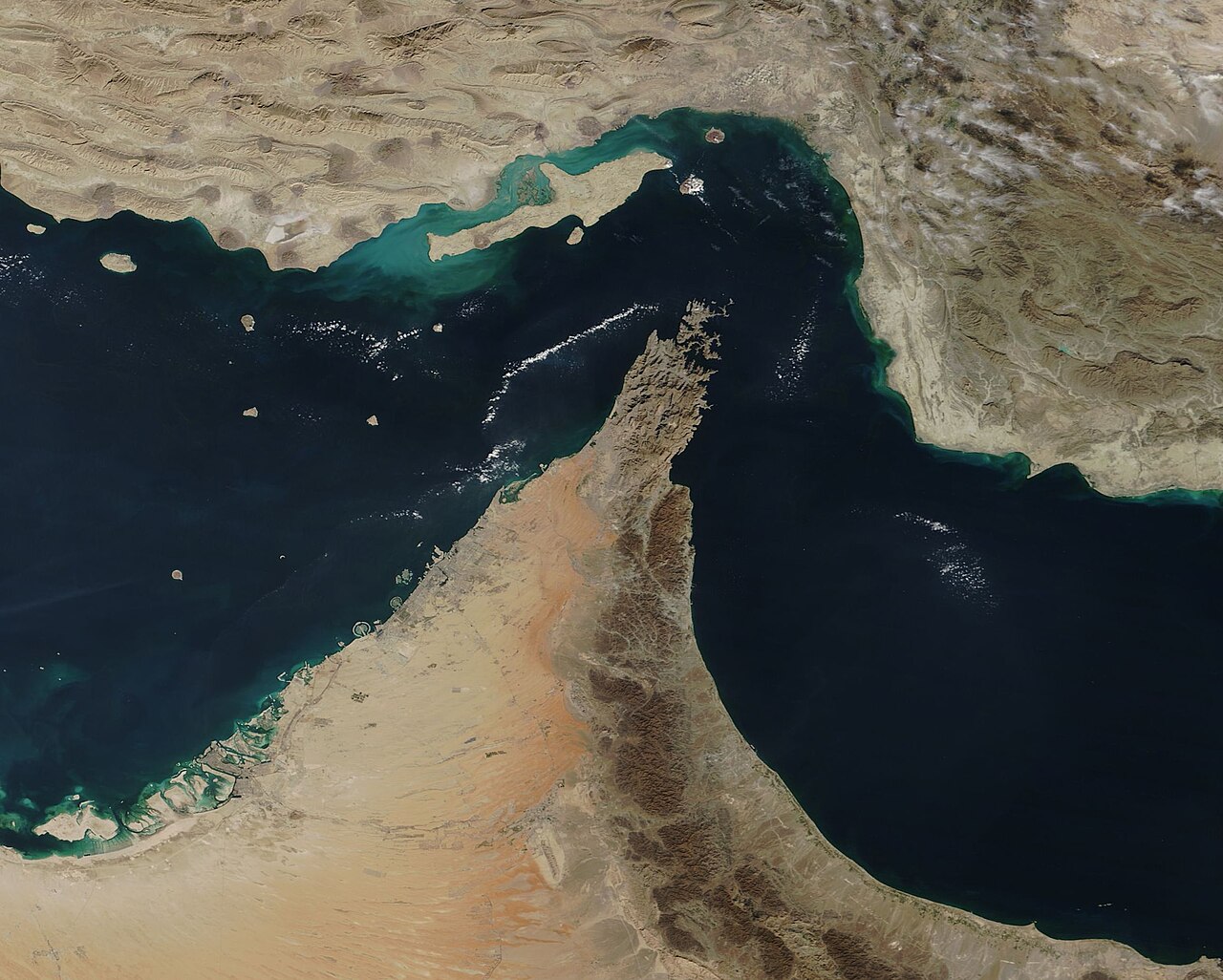
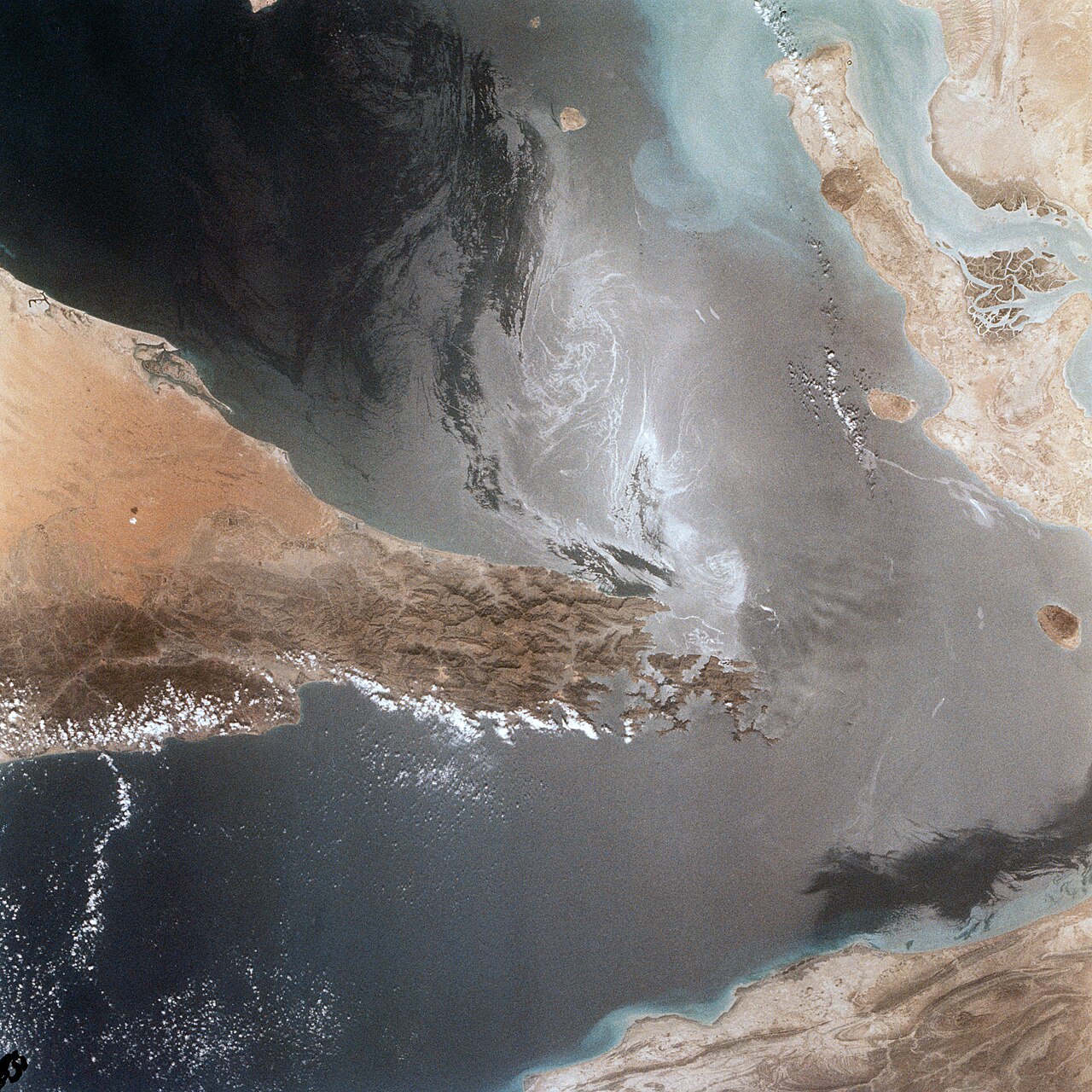
Tehran pointed to the continued US naval blockade of Iranian ports, which Iranian officials called an act of war. Washington pointed to Iranian naval activity in the Strait of Hormuz, including renewed boarding of commercial vessels.
The core disagreement never changed. The US wants Iran to halt uranium enrichment and dismantle its nuclear program. Iran wants the blockade lifted and sanctions relief before discussing any nuclear concessions.
Round Two: The No-Show
April 21 was the date set for a second round in Islamabad. Vice President JD Vance was expected to lead the American team.
Iran never confirmed its delegation. Iranian state media sent contradictory signals. IRNA reported that Iran would not participate, citing Washington’s “excessive demands, unrealistic expectations, constant changes of position, repeated contradictions and the ongoing naval blockade.” CNN, citing unnamed Iranian sources, said the same team from round one would attend.
The New York Times reported that Vance’s trip was suspended after Iran failed to respond to American negotiating positions. On April 22, the White House confirmed Vance would not travel.
Pakistan’s information minister Attaullah Tarar said Islamabad was still waiting for confirmation from Iran. The ceasefire, he noted, expires April 22 at 4:50 AM local time.
Trump’s Contradictory Signals
On April 21, President Trump extended the ceasefire, citing Iran’s “deeply divided government” and a request from Pakistan’s leadership. He wrote on Truth Social that he would wait for a unified Iranian proposal.
Hours later on CNBC, he said he expects to resume bombing. “I expect that we will bomb because I think that is the better stance to start with,” he told Squawk Box. “We are ready to go. The military is champing at the bit.”
Asked about extending the ceasefire: “I don’t want to do that. We don’t have that much time.”
Why Pakistan
Pakistan has relationships with both sides. It shares a 900-kilometer border with Iran. It also depends on US military and economic assistance and has a history of cooperation with Washington.
Munir has personal relationships with Iranian military leaders. Sharif has positioned Pakistan as a responsible regional actor, seeking to burnish its diplomatic credentials after years of internal political instability.
Economic interests reinforce the mediation. Rising oil prices hurt Pakistan’s economy directly. A prolonged Hormuz closure disrupts shipping routes that Pakistani trade depends on.
What Is at Stake
The ceasefire expires April 22. If it collapses without a second round, Pakistan’s diplomatic effort will have failed. Iran returns to war with the US and Israel. The Strait of Hormuz remains closed. Oil prices stay elevated.
If talks resume, the same fundamental disagreement remains. Iran will not discuss nuclear concessions while blockaded. The US will not lift the blockade without nuclear concessions.
Trump told CNBC the US achieved what he called regime change. “We destroyed their navy, destroyed their air force, destroyed their leaders,” he said. The new Iranian leadership, he claimed, is “much more rational.”
Iranian parliamentary advisors say the opposite. Mahdi Mohammadi called the ceasefire extension a “tactic to buy time for a surprise attack.” Iran, he said, must seize the initiative.
Pakistan’s mediation continues. It is not clear either side is listening.