Ethiopia pulled back from the brink of a renewed war in Tigray during early 2026, but the underlying tensions that nearly reignited fighting remain unresolved. The emergence of a new armed faction, the Tigray Peace Force, has introduced a volatile new element into the region’s already fragile security landscape. The 2022 Pretoria peace agreement, which ended a two-year civil war that killed hundreds of thousands, now faces its most serious test (Al Jazeera).
Crisis Averted — For Now
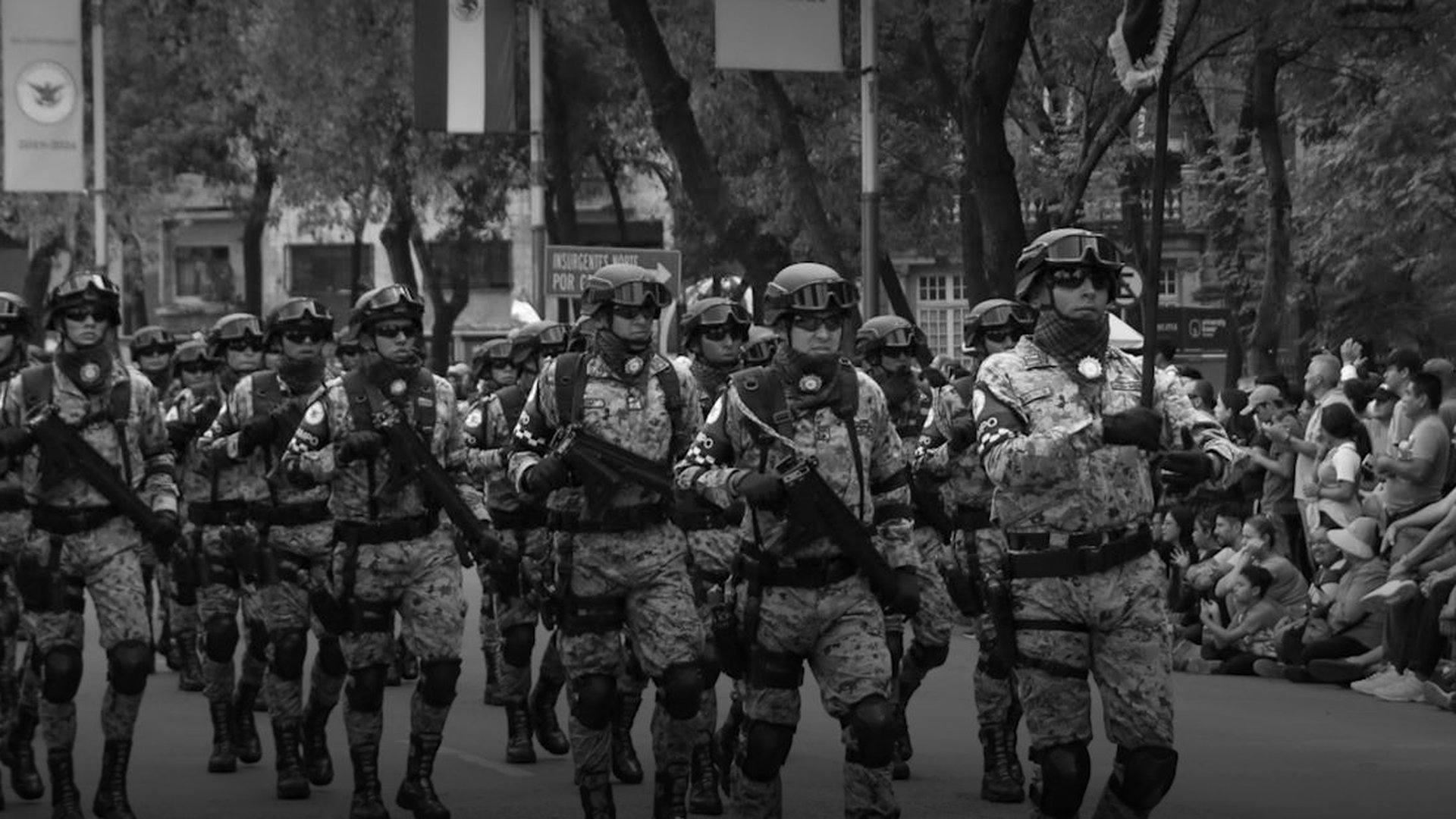
In early February 2026, satellite imagery and local reports confirmed tens of thousands of Ethiopian National Defense Force soldiers streaming northward toward Tigray, accompanied by columns of heavy artillery (Africa Intelligence). The military buildup raised alarm among diplomats and humanitarian agencies who feared a return to the full-scale war that devastated the region between 2020 and 2022. For several tense weeks, the prospect of renewed conflict appeared imminent.
The immediate crisis subsided without a major offensive, though the exact circumstances of the de-escalation remain unclear. Some analysts credit behind-the-scenes diplomatic pressure from the African Union and Western governments, while others point to logistical constraints on Ethiopia’s overstretched military (Martin Plaut). Federal authorities in Addis Ababa denied that the troop movements constituted preparations for an offensive, framing them instead as routine repositioning to address security threats along regional borders.
Despite the pullback, the military buildup served as a stark reminder that peace in Tigray rests on an unstable foundation. The sheer scale of the deployment — tens of thousands of troops with heavy weaponry — suggested planning that went well beyond routine security operations. Observers warn that the conditions which prompted the mobilization have not been addressed.
The New Tigray Peace Force
The most destabilizing development in the region over the past year has been the emergence of the Tigray Peace Force, a previously unknown armed faction that first appeared in 2025. The TPF is composed primarily of Tigrayan fighters who grew disillusioned with the Tigray People’s Liberation Front and its handling of the post-war political settlement (Al Jazeera). The group’s name carries an implicit challenge to the TPLF’s claim to represent Tigray’s interests.
Multiple sources indicate that the TPF operates with the tacit backing of Ethiopia’s federal government, though Addis Ababa has not publicly acknowledged any relationship with the group (Africa Intelligence). The faction’s access to weapons, logistics corridors through Afar region, and apparent freedom of movement all point to some degree of official tolerance or support. This arrangement mirrors a familiar pattern in Ethiopian politics, where the central government has historically cultivated alternative power centers to weaken regional adversaries.
“The TPF did not emerge from a vacuum. Armed groups of this size do not organize, equip, and deploy in Ethiopia without someone in the federal structure knowing about it.”
The TPLF has denounced the TPF as a proxy force designed to fracture Tigrayan political unity and undermine the region’s bargaining position in ongoing negotiations over the Pretoria agreement’s implementation. For its part, the TPF has positioned itself as a grassroots movement seeking genuine peace and accountability, arguing that the TPLF leadership has failed ordinary Tigrayans by perpetuating a cycle of confrontation with the federal government.
Intra-Tigrayan Clashes
The TPF’s incursions into Tigray from neighboring Afar region have triggered armed confrontations between the new faction and forces loyal to the TPLF, marking a grim new chapter in the conflict (Martin Plaut). These intra-Tigrayan clashes represent a dangerous fragmentation of the region’s political and military landscape. For a population already traumatized by years of war, displacement, and famine, the prospect of Tigrayans fighting Tigrayans has been deeply demoralizing.
The clashes have been concentrated along the eastern corridors connecting Afar to Tigray, an area that has historically served as a transit route for both trade and armed movements. Reports from the ground describe engagements ranging from brief firefights at checkpoints to sustained skirmishes involving hundreds of combatants on each side (Al Jazeera). Civilian displacement has accompanied the fighting, adding to a humanitarian burden that already includes millions of people in need of assistance.
The federal government and the TPLF have traded sharp accusations over responsibility for the violence. Addis Ababa has blamed the TPLF for provoking conflict by refusing to complete the disarmament process outlined in the Pretoria agreement. The TPLF has countered that the federal government is orchestrating instability through the TPF to justify military intervention and impose a political settlement on Addis Ababa’s terms.
Fragile Peace Under Strain
The 2022 Pretoria agreement, brokered by the African Union, brought an end to a war that killed an estimated 600,000 people and displaced millions more. Yet more than three years after its signing, key provisions remain unimplemented (Al Jazeera). The status of Western Tigray, occupied by Amhara forces since the war’s early stages, is still unresolved. Eritrean troops, whose withdrawal was a central expectation of the peace process, maintain a presence in parts of northern Tigray.
Against this backdrop, the TPLF’s acknowledgment that its interactions with neighboring Eritrea have been “constructive” has raised eyebrows in Addis Ababa and beyond (Martin Plaut). The nature of these contacts remains opaque, but any rapprochement between the TPLF and Eritrean President Isaias Afwerki — a longtime adversary of the Tigrayan leadership who allied with Ethiopia’s federal government during the war — would represent a significant realignment of the region’s political dynamics.
The fundamental challenge remains that the Pretoria agreement papered over deep disagreements rather than resolving them. Territorial disputes, the question of transitional justice for wartime atrocities, the future of Tigrayan self-governance, and the integration of former combatants into national security structures all remain open wounds. Each unresolved issue provides kindling for renewed conflict.
As March 2026 draws to a close, Tigray exists in a precarious space between war and peace. The immediate military threat has receded, but the emergence of the TPF, ongoing intra-Tigrayan violence, and the slow erosion of the Pretoria framework suggest that the region’s trajectory remains deeply uncertain. Without renewed commitment from all parties to address the root causes of the conflict, the question may not be whether war returns to Tigray, but when.