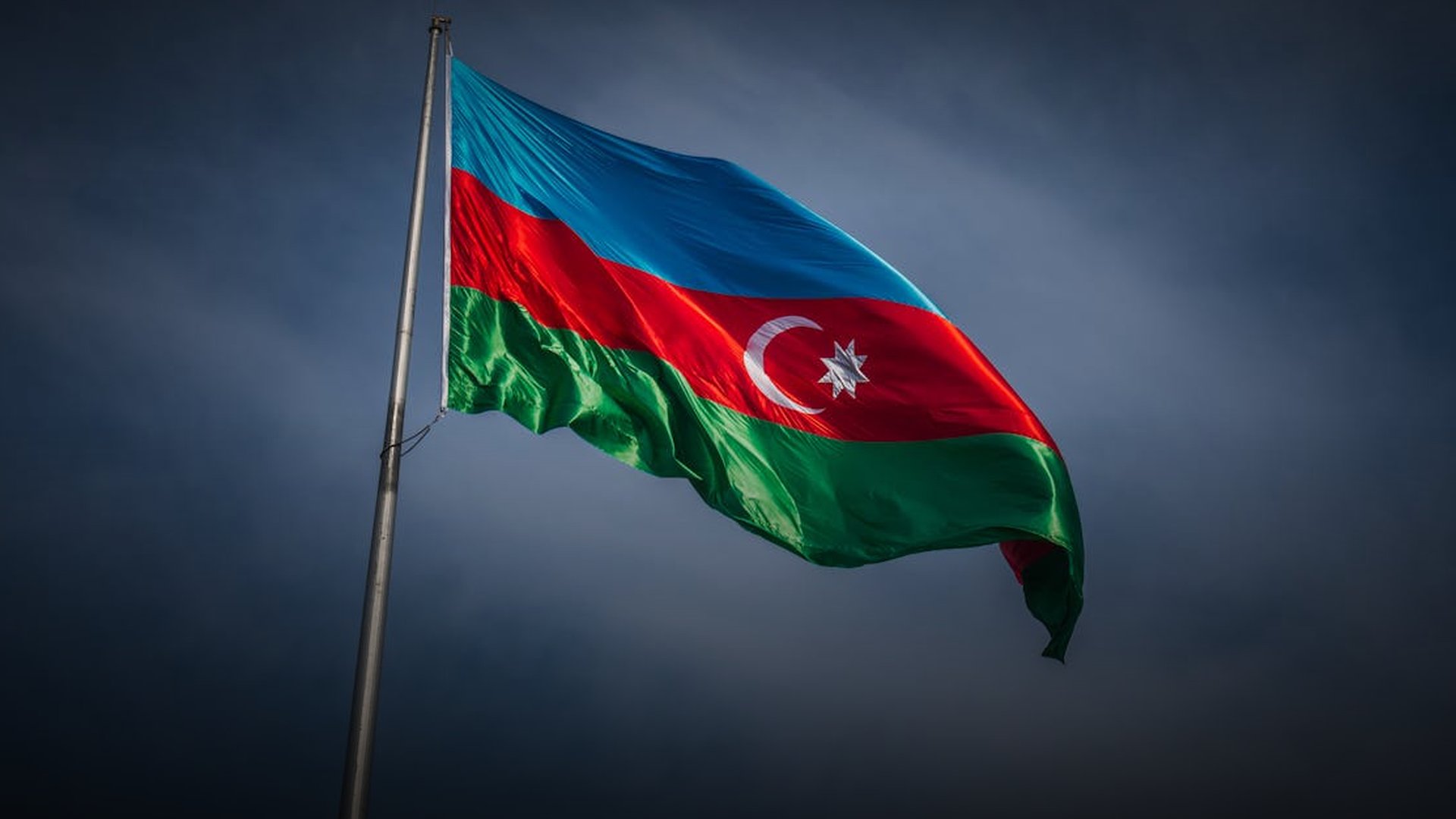
MOSCOW/BAKU/YEREVAN - A Russian-brokered ceasefire came into effect today, ending four days of the heaviest fighting between Armenian and Azerbaijani forces since 1994, with Azerbaijan retaining control of strategically important territory captured during its surprise offensive.
The ceasefire, announced simultaneously in all capitals after urgent Russian mediation, freezes new military positions that see Azerbaijan controlling approximately 2,000 hectares of previously Armenian-held territory, including strategic heights near Talish and positions in the Fizuli region.
“We have achieved our immediate objectives and agreed to ceasefire from position of strength,” declared Azerbaijani President Ilham Aliyev. “This is only the beginning of liberation process.”
Armenian President Serzh Sargsyan struck a different tone: “We stopped their aggression and showed our will to defend every inch. Some tactical losses don’t change strategic reality.”
Casualty Count
Both sides suffered significant casualties in the intense fighting, though exact numbers remain disputed:
- Azerbaijan officially acknowledges 31 military deaths
- Armenia reports 92 military casualties
- Nagorno-Karabakh adds 7 civilian deaths
- Independent estimates suggest both sides underreport losses
“Real casualties probably exceed 200 total,” estimates military analyst. “This was serious conventional warfare, not border skirmish.”
The high casualty rate in just four days demonstrates the conflict’s increased lethality with modern weapons.
Territorial Changes
For the first time since 1994, the contact line has shifted significantly. Azerbaijan’s gains include:
- Strategic heights providing fire control over key roads
- Several defensive positions improving tactical situation
- Symbolic victory in Talish village area
- Demonstration that status quo can be changed by force
“These aren’t massive territorial gains but they’re psychologically enormous,” notes regional expert. “Azerbaijan proved military option exists.”
Armenian forces conducted fighting withdrawal in some sectors, trading space for reduced casualties while maintaining defensive integrity.
Military Lessons
The brief war provided crucial military lessons for both sides:
Azerbaijan demonstrated:
- Effective use of drones and modern technology
- Improved combined arms coordination
- Ability to achieve tactical surprise
- Political will to accept casualties
Armenia showed:
- Resilience under initial shock
- Ability to mobilize reserves quickly
- Continued effectiveness in defensive operations
- Vulnerability to modern weapons systems
“Both sides will study this intensively,” predicts military expert. “Next round will be deadlier based on lessons learned.”
Russian Intervention
Moscow’s decisive intervention to broker ceasefire demonstrated its continued influence over both parties. Russian military officials arrived in both capitals with clear message - stop now or face consequences.
“Russia allowed limited Azerbaijani gains but prevented major escalation,” analyzes diplomat. “They calibrated response perfectly for their interests.”
The ceasefire terms, keeping Azerbaijani territorial gains, suggest Russian tilt toward Baku or at least acceptance of minor changes to pressure Armenia.
Technology Impact
The April War showcased how technology has transformed the battlefield:
- Israeli-made drones proved devastating against Armenian armor
- Electronic warfare disrupted communications
- Precision artillery minimized ammunition expenditure
- Real-time intelligence enabled rapid decision-making
“Azerbaijan’s technological edge was decisive,” admits Armenian military source. “We need urgent modernization or face worse next time.”
The drone warfare particularly shocked Armenian forces accustomed to traditional artillery duels.
Propaganda Victory
Beyond territorial gains, Azerbaijan achieved significant propaganda victory. State media celebrated “liberation” of territories, boosting Aliyev’s popularity despite economic problems.
“He delivered what his father couldn’t - military victory over Armenia,” notes political analyst. “This strengthens his position enormously.”
Armenia struggled to explain territorial losses to population accustomed to military superiority narrative. Opposition criticized government’s unpreparedness.
International Irrelevance
The April War demonstrated complete irrelevance of international mediation efforts. Twenty years of OSCE Minsk Group diplomacy evaporated in hours when Azerbaijan decided to use force.
“We’ve been managing fiction,” admitted Western diplomat. “Local actors ignore us when they choose war.”
The rapid Russian-brokered ceasefire contrasted with Western diplomatic paralysis, reinforcing Moscow’s regional dominance.
New Phase Begins
The April War’s end marks beginning of new, more dangerous phase in the conflict. Key changes include:
- Military solution back on agenda
- Status quo proven changeable
- Technology arms race accelerating
- Diplomatic processes discredited
“The comfortable frozen conflict is dead,” states analyst. “We’re in volatile situation where both sides prepare for next round.”
The psychological impact exceeds territorial changes. Both populations now expect renewed fighting.
Armenian Political Crisis
The territorial losses triggered political crisis in Armenia. Opposition demands explanations for intelligence failures and military unpreparedness. Veterans protest government incompetence.
“Heads must roll for this failure,” demands opposition leader. “We were caught sleeping and paid in blood.”
President Sargsyan faces difficult balance between acknowledging failures and maintaining morale for future confrontations.
Azerbaijani Appetite
Success has whetted Azerbaijani appetite for more military operations. Social media fills with demands to “finish the job” and “liberate all territories.”
“Limited victory is more dangerous than defeat,” warns moderate Azerbaijani intellectual. “It creates unrealistic expectations.”
President Aliyev must now manage emboldened military and population expecting continued advances.
Arms Race Accelerates
Both sides immediately announced military modernization programs:
- Armenia seeks air defense systems against drones
- Azerbaijan plans expanded drone fleet
- Both increase defense budgets despite economic constraints
- Russia profits selling weapons to both
“The April War started regional arms race,” observes expert. “Each prepares to fight last war better.”
Civilian Trauma
Border populations experienced intense trauma, reliving memories of 1990s war. Children who knew only peace discovered war’s proximity.
“My daughter won’t sleep alone after the shelling,” says Stepanakert resident. “A generation’s innocence lost in four days.”
Psychological services report spike in anxiety, depression, and PTSD symptoms across affected regions.
Future Trajectory
As ceasefire holds tenuously, analysts debate implications. The April War destroyed assumptions that time favored Armenia or that status quo was stable.
“We’re in pre-war period now, not post-war,” predicts veteran diplomat. “Question isn’t if fighting resumes but when and how big.”
Both sides prepare for resumption while hoping to avoid it. The contradiction creates unstable equilibrium.
Moscow Meeting
The announcement of presidential meeting in Moscow signals Russian effort to consolidate ceasefire. But fundamental positions remain unchanged:
- Azerbaijan demands all territories returned
- Armenia insists on status determination first
- Neither shows flexibility after bloodshed
“Fighting made compromise harder, not easier,” notes negotiator. “Each side believes time and force favor them.”
Night Falls on New Reality
As April 5 ends, the South Caucasus faces new reality. The frozen conflict has thawed partially, refreezing in slightly different configuration but with greatly increased instability.
Soldiers return to trenches meters apart, now with fresh hatred from recent combat. Military planners prepare for next round. Politicians calculate whether war serves their interests.
The Four-Day War killed hundreds, changed some positions, and shattered illusions. Most importantly, it demonstrated that both sides prefer trying military solutions to accepting diplomatic compromises.
“We’ve opened Pandora’s box,” reflects regional expert. “The forces released won’t return easily to containment.”
Tonight, an unstable ceasefire holds between exhausted but undefeated enemies. Both claim victory while preparing for next round. The frozen conflict has become a ticking time bomb, waiting for next spark.
The April War ended, but the countdown to next escalation has already begun. In the South Caucasus, April 2016 marked not conflict resolution but its dangerous evolution toward larger catastrophe.