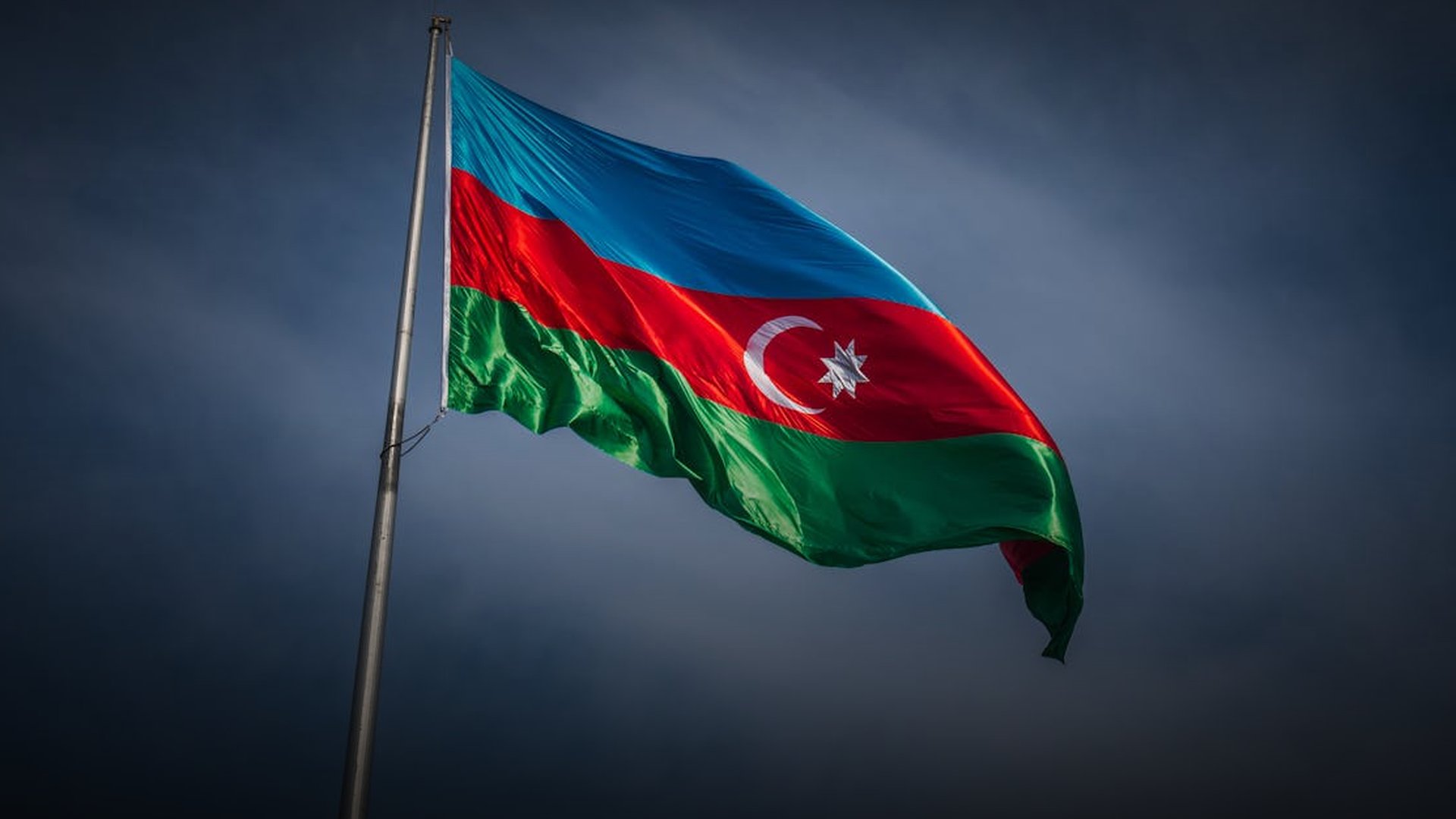
US-brokered peace talks between Armenia and Azerbaijan ended without agreement on March 10, 2026, as fundamental disagreements proved impossible to bridge. American diplomats had pushed for a framework agreement that would address border demarcation, the status of Armenian populations in Azerbaijan, and security arrangements. Neither side accepted the compromises necessary to reach even a preliminary deal, and the failure represents a significant setback for regional diplomacy.
The American mediation effort had been welcomed by both sides when announced, but domestic politics in both Yerevan and Baku made concession-making extremely difficult. Armenian Prime Minister Pashinyan faces pressure from nationalist opponents who argue that any territorial giveaways would betray Tigray veterans and national honor. Azerbaijani President Aliyev, coming from a position of military strength after the 2023 victory, has shown little willingness to offer substantive concessions.
We are disappointed but not discouraged. The gap remains significant, but we believe a deal is possible if both sides can find the political will.
Key Obstacles
The core dispute centers on the border delimitation question, with both countries claiming the same territories based on different Soviet-era administrative maps. Armenian forces withdrew from surrounding territories after the 2020 war but maintain control of some areas Azerbaijan claims. The question of what guarantees would apply to ethnic Armenians in Azerbaijan remains completely unresolved.
Russian Role
Russia has watched the American mediation effort with concern, seeing it as an attempt to displace Moscow’s traditional role as the primary broker in the South Caucasus. Russian peacekeepers remain deployed in Nagorno-Karabakh following the 2020 war, and Moscow maintains strong ties with both Armenia and Azerbaijan. Some analysts suggest Russian obstructionism has contributed to the peace process failures.