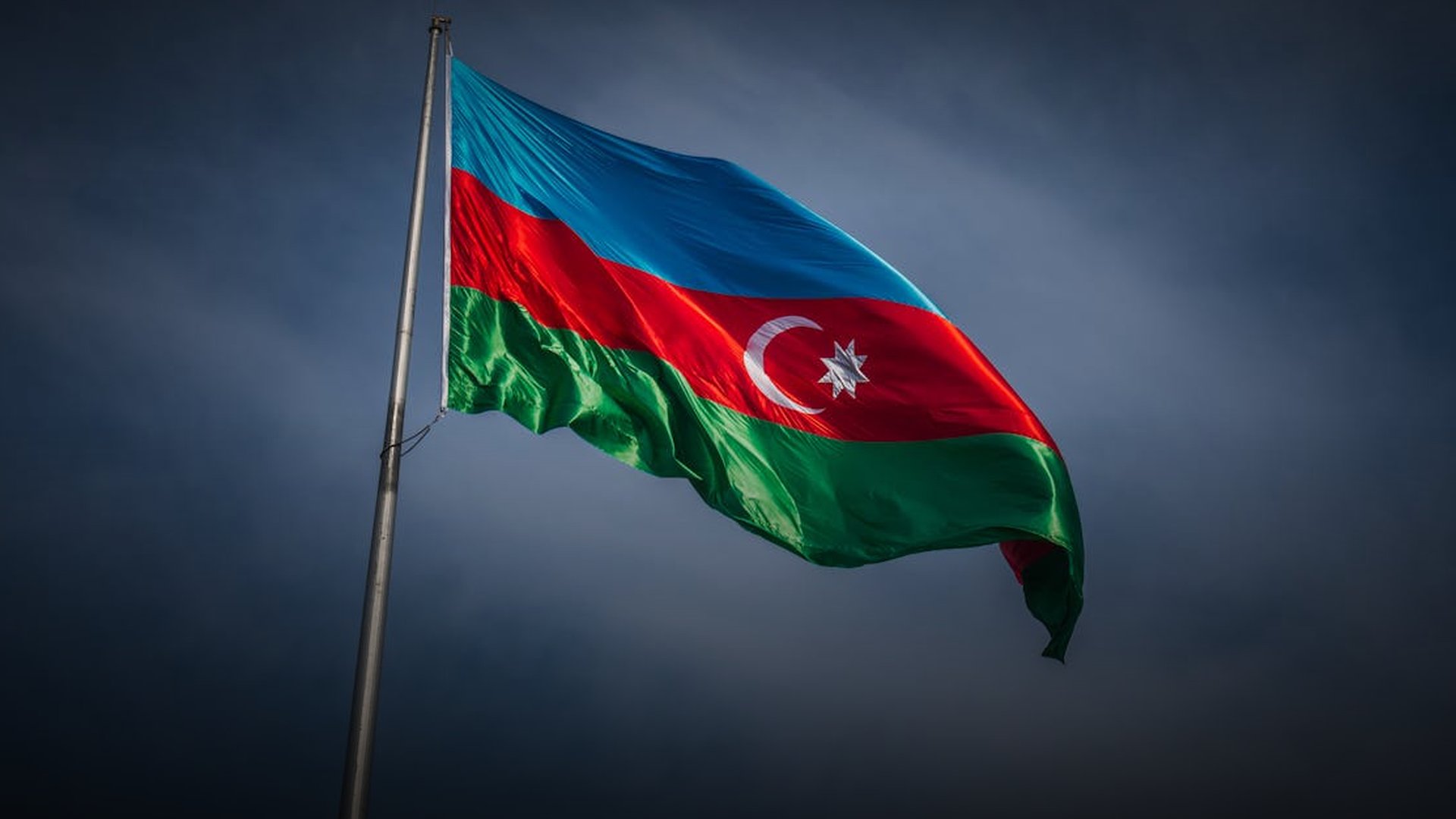
In a significant diplomatic breakthrough, Presidents Serzh Sargsyan of Armenia and Ilham Aliyev of Azerbaijan have signed the Moscow Declaration at the Kremlin, marking their first joint document since the conflict began.
Historic Signing
The ceremony, hosted by Russian President Dmitry Medvedev, represents:
- First document signed by both presidents
- Public commitment to peaceful resolution
- Russian mediation success
- Potential turning point in peace process
Declaration Contents
The Moscow Declaration includes five key points:
1. Peaceful Resolution Commitment
“The Presidents of Armenia and Azerbaijan reaffirm their commitment to settle the Nagorno-Karabakh conflict through political means”
2. Madrid Principles Basis
“Continue work on the Basic Principles proposed in Madrid, instructing foreign ministers to intensify further negotiations”
3. Confidence Building
“Agreement to strengthen the ceasefire regime and implement confidence-building measures”
4. International Law
“Resolution based on principles and norms of international law”
5. Security Guarantees
“Legally binding international guarantees for all aspects of settlement”
Russian Mediation Role
President Medvedev’s personal involvement proved crucial:
- Bilateral meetings with each president
- Careful diplomatic preparation
- Balanced approach to both parties
- Kremlin’s prestige invested
“This declaration opens a window of opportunity that must not be wasted,” Medvedev stated at the signing.
Significance Analysis
Diplomatic Breakthrough
- Ends period of total deadlock
- Creates momentum for negotiations
- Demonstrates political will exists
- International community reinvigorated
Symbolic Importance
- First joint document in conflict history
- Public handshake between presidents
- Media coverage in both countries
- Signal to hardliners on both sides
Domestic Reactions
In Armenia
Supporters: Welcome dialogue and peace commitment Critics: Worry about potential concessions Karabakh: Cautious about being excluded
In Azerbaijan
Government: Portrays as diplomatic victory Opposition: Questions sincerity of process Public: Mixed reactions, hope tempered by skepticism
International Response
OSCE Minsk Group
- Welcomes Moscow Declaration
- Ready to intensify mediation
- Calls for rapid follow-up
- Optimism about breakthrough
Other Reactions
United States: Strong support for Russian initiative European Union: Offers assistance for implementation Turkey: Positive signals about regional cooperation Iran: Supports peaceful resolution
Challenges Ahead
Despite breakthrough, obstacles remain:
- Substantive Gaps: Core disagreements unresolved
- Public Opinion: Societies unprepared for compromise
- Implementation: Moving from principles to practice
- Spoiler Potential: Hardliners could derail process
Historical Context
The Moscow Declaration comes after:
- Failed Rambouillet talks (2006)
- Madrid Principles presentation (2007)
- Mardakert clashes (March 2008)
- Russian diplomatic offensive
Next Steps
Immediate Actions
- Foreign ministers to meet within weeks
- Working groups on specific issues
- Confidence-building measures implementation
- Public diplomacy campaigns
Medium-term Goals
- Agreement on Basic Principles
- Detailed settlement framework
- International guarantees arrangement
- Preparation for implementation
Expert Assessment
Optimistic View
“The Moscow Declaration breaks the psychological barrier. For the first time, both presidents publicly committed to peace,” argues a senior diplomat.
Cautious Perspective
“Signing is easy; implementation is hard. The real test comes when specific compromises must be made,” warns a regional analyst.
Regional Implications
Success could lead to:
- Caucasus transportation corridors opening
- Regional economic integration
- Reduced military tensions
- Great power cooperation model
Conclusion
The Moscow Declaration represents a rare moment of hope in the long-frozen Nagorno-Karabakh conflict. While enormous challenges remain, the psychological breakthrough of both presidents signing a joint document creates new possibilities for peaceful resolution. The coming months will test whether this diplomatic achievement can translate into concrete progress toward lasting peace.