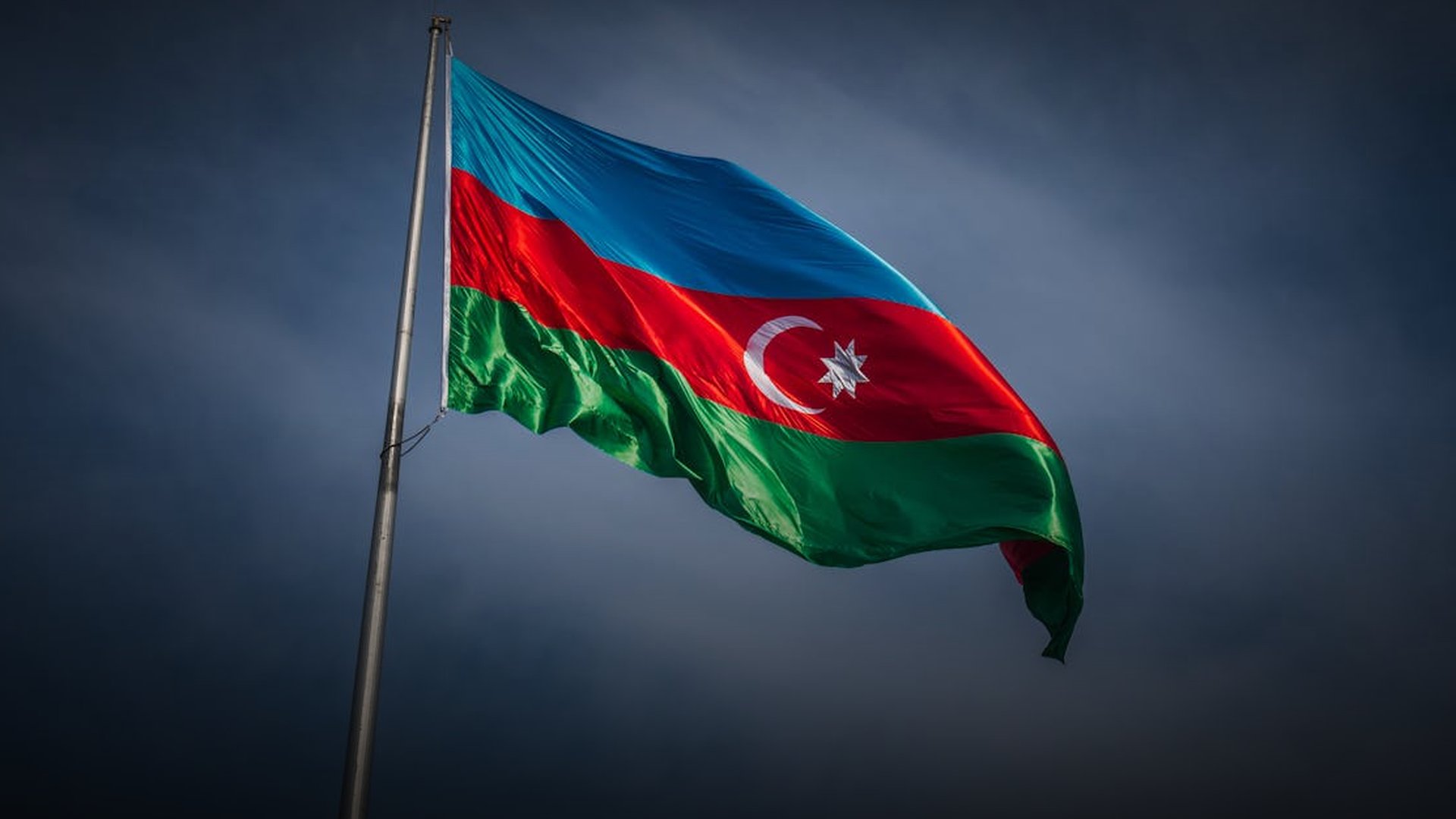
BAKU - Ilham Aliyev, son of ailing President Heydar Aliyev, won Azerbaijan’s presidential election today with 79.5% of the vote, establishing the former Soviet Union’s first political dynasty while promising a tougher stance on reclaiming territories lost to Armenia.
The 41-year-old Ilham, who lacks his father’s political gravitas but inherits his machinery of power, defeated opposition candidate Isa Gambar amid widespread allegations of fraud and protests that police quickly suppressed. International observers criticized the election as falling “short of international standards.”
“I will continue my father’s path while bringing new energy to solving our nation’s challenges,” Ilham declared in his victory speech. “The liberation of our occupied territories remains Azerbaijan’s primary goal. We will achieve this through all necessary means.”
The succession, orchestrated by the dying Heydar Aliyev who withdrew his candidacy just two weeks before the election, marks a generational shift that could fundamentally alter the frozen Nagorno-Karabakh conflict.
From Playboy to President
Ilham Aliyev’s rise to power represents a remarkable transformation. Known in the 1990s as a playboy fond of casinos and luxury cars, he reinvented himself as a serious politician after his father recalled him from Moscow business ventures.
“Nobody took him seriously five years ago,” admits former government official. “He was seen as the spoiled son playing at politics. But he learned quickly, and more importantly, he inherited the system.”
His preparation included serving as Prime Minister and leading Azerbaijan’s delegation to the Council of Europe. Yet critics note his advancement came through nepotism rather than merit, raising questions about his legitimacy.
Hardline on Karabakh
Unlike his pragmatic father who understood negotiation’s necessity, Ilham represents a generation shaped entirely by defeat and revanchism. His campaign rhetoric emphasized military solutions over diplomatic compromise.
“My generation doesn’t accept the occupation as permanent,” Ilham stated during the campaign. “We have resources now that we lacked in 1994. Time no longer favors Armenia.”
This harder line reflects both genuine belief and political calculation. The million-plus refugees and IDPs form a crucial constituency expecting liberation promises from any leader seeking legitimacy.
Oil Wealth and Military Ambitions
Ilham inherits an Azerbaijan transformed by energy revenues. The Baku-Tbilisi-Ceyhan pipeline nears completion, promising massive income. Oil money already funds military modernization that shifts regional balances.
“We’re not the weak, chaotic Azerbaijan of 1993,” notes government strategist. “We have money, international connections, and growing military capability. Ilham can be tougher because we’re stronger.”
Military spending has increased 500% since 2003, with advanced weapons purchases from Israel, Turkey, and Russia. The new president explicitly links oil wealth to territorial liberation.
Opposition Suppressed
The election’s aftermath saw violent suppression of opposition protests, with at least two deaths and hundreds arrested. Ilham’s security forces showed less restraint than his father’s, signaling a harder authoritarian approach.
“Heydar at least pretended to respect opposition,” observes human rights activist. “Ilham doesn’t bother with pretense. He rules through force from day one.”
The crackdown demonstrates the new president’s insecurity and determination to prevent any “color revolution” scenario. Democratic facades matter less than maintaining power.
Armenian Concerns
In Yerevan, officials watch the succession with apprehension. Heydar Aliyev, for all his rhetoric, was a known quantity who understood limits. His son represents unpredictability combined with resources.
“The father lived through the war and knew its costs,” notes Armenian analyst. “The son knows only defeat and has money for revenge. It’s dangerous combination.”
President Kocharyan congratulated Ilham formally while privately reinforcing military positions. The generational change in Baku could destabilize the comfortable status quo Armenia has enjoyed.
Russian Calculations
Moscow views the dynastic succession with mixed feelings. While preferring stability, Russia worries about Ilham’s Western education and potential independence from traditional Soviet-era networks his father managed.
“Heydar we could control through old relationships,” explains Russian diplomat. “Ilham is wildcardchkin - perhaps more nationalist, perhaps more Western. We must recalibrate.”
Russia maintains arms sales to both countries while watching whether new leadership disrupts profitable balance. The frozen conflict serves Moscow’s interests, but only if it remains frozen.
Domestic Challenges
Beyond Karabakh, Ilham faces massive domestic challenges. Corruption pervades all levels. Non-oil economy barely exists. Youth unemployment breeds extremism. The refugee population grows increasingly restive.
“He inherited throne but also time bombs,” observes economist. “Oil money masks problems temporarily, but fundamental issues require real leadership his background doesn’t provide.”
The new president must balance multiple constituencies - refugees demanding action, oligarchs protecting wealth, international community expecting democratization, and military wanting resources.
Dynastic Precedent
The successful father-to-son transition sets precedent for post-Soviet space. If Ilham consolidates power, other aging leaders might attempt similar successions, further entrenching authoritarianism.
“We’re watching feudalization of former Soviet republics,” warns political scientist. “Democracy retreats as dynasties emerge. Azerbaijan leads this regression.”
The implications extend beyond Azerbaijan. Each successful authoritarian succession makes the next easier, creating models for power retention across the region.
Future Trajectory
As Ilham Aliyev assumes full presidential powers, Azerbaijan enters a new phase. The country has more resources but less experienced leadership. The frozen conflict faces pressure from leaders born from its trauma rather than its exhaustion.
“Heydar managed decline with dignity,” reflects veteran diplomat. “Ilham must manage rise with wisdom. The second is often harder.”
The new president’s early statements emphasize continuity, but generational change brings inevitable shifts. Whether toward war or peace, democracy or deeper authoritarianism, remains to be seen.
Historical Moment
October 15, 2003, marks more than electoral victory. It represents post-Soviet evolution from revolutionary leaders to hereditary rulers, from ideological states to family enterprises, from peace through exhaustion to rearmament through wealth.
“We’re entering Azerbaijan’s second act,” notes historian. “The first was about survival. The second will be about assertion. The question is assertion of what - national interests or family power?”
As Ilham Aliyev prepares for inauguration, the region braces for change. The son may follow the father’s path, but he walks it with different steps, toward destinations even he may not yet see.
Tonight, portraits of two Aliyevs hang in government offices - the dying father and rising son. Dynasty is born. Whether it brings stability or chaos, progress or stagnation, peace or war, only time will tell.
But one thing is certain - the comfortable assumptions of the frozen conflict’s first decade no longer apply. New leaders with old grievances and new resources have arrived. The freeze begins to crack.