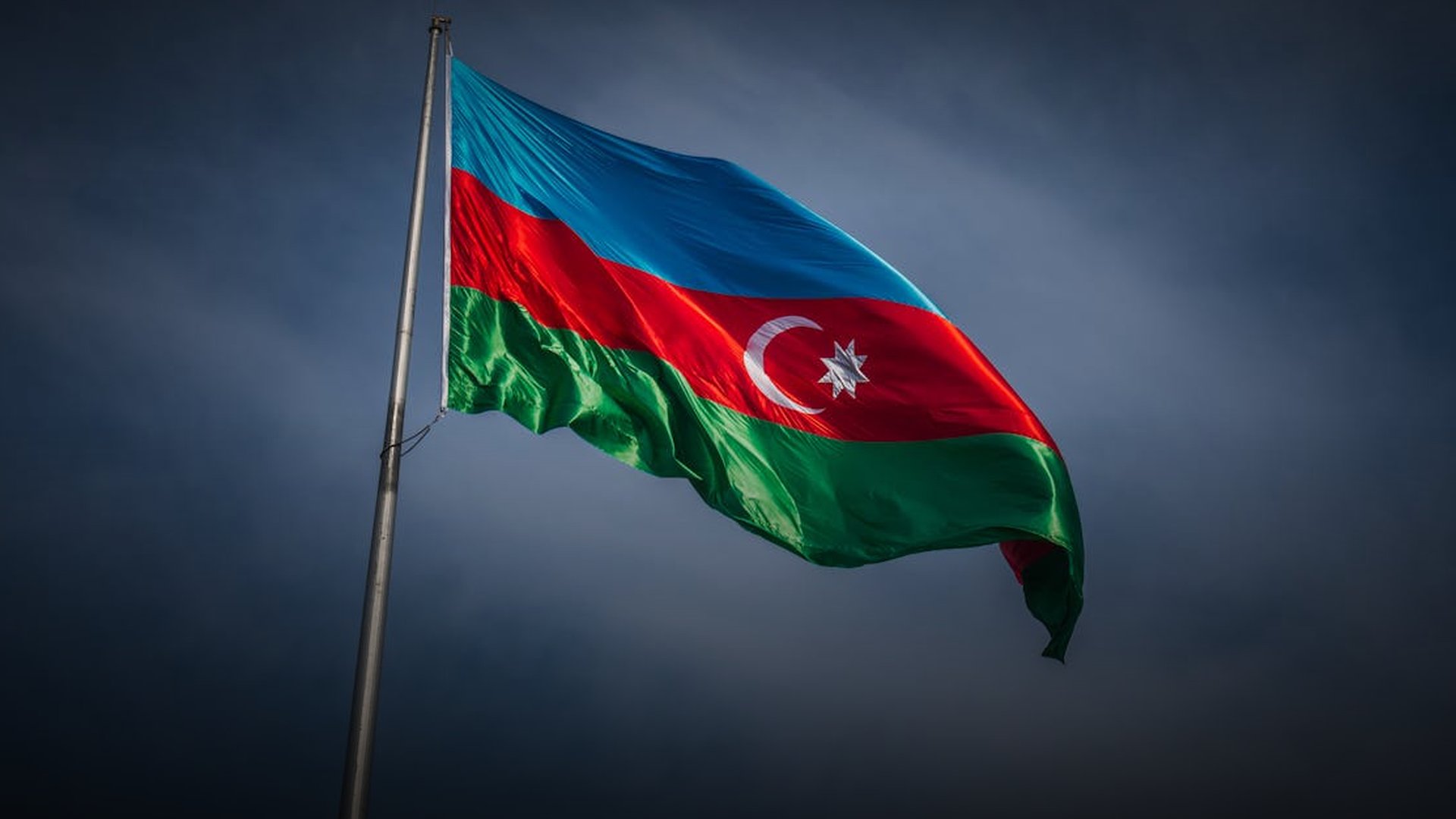
Armenia and Azerbaijan have initiated a new round of negotiations under what diplomats are calling the “Prague Process,” a framework developed by the OSCE Minsk Group to address the frozen conflict over Nagorno-Karabakh.
Key Elements of the Prague Process
The new diplomatic framework introduces several innovative approaches:
- Phased Resolution: A step-by-step approach to addressing territorial and political issues
- Security Guarantees: Enhanced mechanisms for ensuring ceasefire compliance
- Economic Incentives: Proposals for regional economic cooperation
- International Monitoring: Expanded role for OSCE observers
Initial Positions
Armenian Stance
- Insistence on self-determination for Nagorno-Karabakh
- Security guarantees for Armenian population
- Maintaining land corridor to Armenia
Azerbaijani Position
- Full restoration of territorial integrity
- Return of displaced persons
- Economic compensation for occupation period
International Mediation
The OSCE Minsk Group co-chairs (Russia, United States, France) have expressed cautious optimism about the new format:
“The Prague Process represents our most comprehensive attempt yet to bridge the gap between the parties,” stated a senior diplomat involved in the negotiations.
Challenges Ahead
Despite the new framework, significant obstacles remain:
- Deep mistrust between the parties
- Domestic political pressures in both countries
- Status of occupied territories
- Future of Nagorno-Karabakh’s governance
Regional Implications
The success or failure of the Prague Process could have far-reaching consequences for:
- Regional stability in the South Caucasus
- Energy transportation routes
- Russia’s role as regional mediator
- Western engagement in the region
As negotiations continue, both sides have committed to maintaining the ceasefire while exploring diplomatic solutions under this new framework.