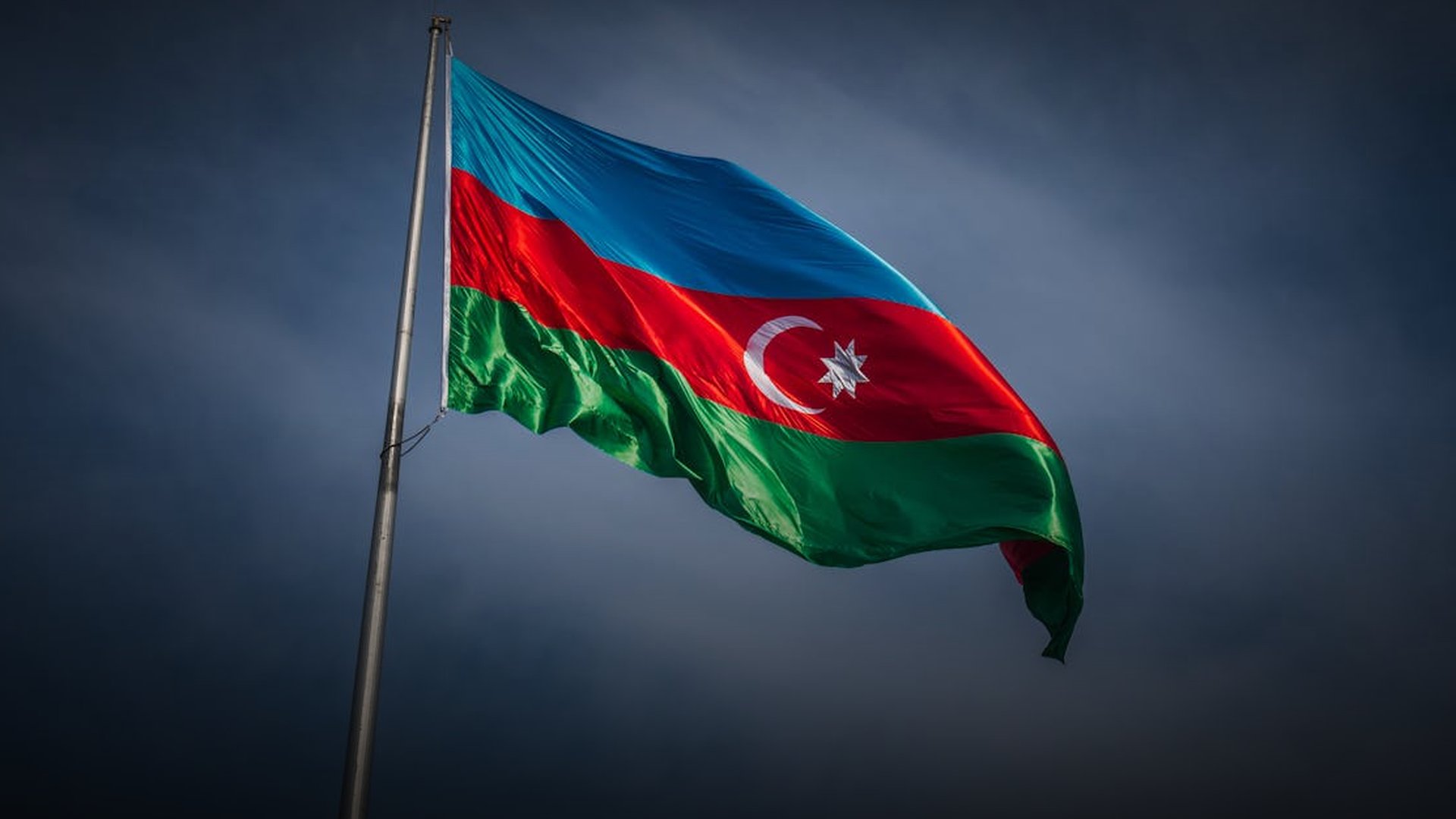
Representatives of Armenia, Azerbaijan, and the unrecognized Nagorno-Karabakh Republic signed a ceasefire agreement in Bishkek, Kyrgyzstan, ending six years of active warfare that killed 30,000 and displaced over a million.
The Agreement
The Bishkek Protocol established:
- Complete ceasefire from May 12
- Current positions frozen
- No peacekeeping deployment
- OSCE monitoring role
Military Situation
At ceasefire, Armenian forces controlled:
- All of Nagorno-Karabakh
- Seven surrounding districts
- ~13.4% of Azerbaijan’s territory
- Strategic defensive positions
Humanitarian Crisis
Casualties:
- ~30,000 killed (both sides)
- Thousands missing
- Tens of thousands wounded
Displacement:
- 750,000+ Azerbaijani IDPs
- 400,000+ Armenian refugees
- Entire populations relocated
Why Ceasefire Now
Military exhaustion:
- Neither side could advance
- Resources depleted
- War-weariness
International pressure:
- UN resolutions
- OSCE mediation
- Regional concerns
Not Peace, But Ceasefire
- No political settlement
- Core issues unresolved
- Positions entrenched
- Frozen conflict created
Immediate Impact
- Fighting largely stopped
- Populations separated
- Military consolidation
- Diplomatic track began
Long-term Consequences
The ceasefire:
- Lasted 26 years (until 2020)
- Created “no war, no peace”
- Prevented refugee return
- Complicated negotiations
- Militarized societies