BAKU, Azerbaijan - President Abulfaz Elchibey fled the capital early this morning for his native Nakhchivan as rebel forces under Colonel Suret Huseynov approached Baku’s outskirts, effectively ending Azerbaijan’s year-old experiment with democracy.
The president’s departure, officially described as a “temporary relocation to coordinate resistance,” came as his remaining military units defected and government authority evaporated. Huseynov’s forces encountered no resistance on their march from Ganja.
“The traitor has fled like the coward he is,” Huseynov declared to his troops. “Azerbaijan is free from incompetent leadership. Order will be restored.”
Elchibey’s flight marks the ignominious end of Azerbaijan’s first democratically elected government, brought down by military defeat, economic collapse, and internal rebellion after barely one year in power.
Midnight Flight
The president’s departure was hastily arranged as intelligence reported Huseynov’s forces would enter Baku by dawn. A small convoy spirited Elchibey to a military airfield where an aircraft waited to fly him to Nakhchivan.
“He left clutching books of poetry and Turkish flags,” reported one aide who remained behind. “The man who promised to die for democracy fled without firing a shot.”
Government buildings stand abandoned as officials either fled or switched sides. The presidential palace, symbol of independent Azerbaijan’s aspirations, lies empty except for looters.
Democracy’s Epitaph
Elchibey’s presidency, begun with such hope in June 1992, collapsed under the weight of its own contradictions. The intellectual dissident proved incapable of governing a nation at war.
“He confused speeches with leadership, ideals with reality,” reflects former supporter Leyla Yunusova. “While he dreamed of joining Europe, we lost our country piece by piece.”
The litany of failures is comprehensive: military defeats, economic freefall, diplomatic isolation, and finally civil war. Democratic legitimacy proved worthless without basic competence.
Power Vacuum
Elchibey’s flight creates constitutional crisis. Speaker of Parliament Heydar Aliyev, the former Communist boss recently returned from political exile, assumes acting presidential duties from Nakhchivan.
“I accept this heavy responsibility in our nation’s darkest hour,” Aliyev declared, positioning himself as elder statesman above factional conflicts. “All patriots must unite to save Azerbaijan.”
The 70-year-old Aliyev, with decades of Soviet leadership experience, offers stark contrast to failed democratic experiments. His immediate negotiations with both Huseynov and Moscow signal pragmatic approach.
Huseynov Triumphant
Colonel Huseynov enters Baku as conquering hero to some, warlord to others. His disciplined forces restore order to chaotic streets, earning grudging appreciation from exhausted residents.
“At least someone’s in charge,” comments shopkeeper Rashid Mammadov. “Democracy gave us nothing but defeat and hunger. Maybe strongman rule will work better.”
Huseynov’s first declarations emphasize restoring military capability and economic stability. No mention of democracy or human rights - only strength and order.
International Reactions
The democratic West watches with dismay as another former Soviet republic abandons democratic transition. Years of diplomatic investment in Elchibey’s government prove wasted.
“This represents failure of international community to support fragile democracies,” states U.S. diplomat Richard Armitage. “We offered words while others provided weapons.”
Russia barely conceals satisfaction. Moscow’s influence, rejected by Elchibey, returns through back channels. Huseynov and Aliyev both understand realpolitik better than poetry.
Turkey faces particular embarrassment after strongly backing Elchibey. Ankara’s dreams of pan-Turkic alliance crash against Caucasian realities.
Armenian Advantage
Armenia observes Azerbaijan’s self-destruction with strategic satisfaction. While Baku changes rulers, Armenian forces consolidate gains and prepare new offensives.
“Their civil war is our victory,” notes Armenian analyst Stepan Grigoryan. “Every day of chaos weakens them permanently.”
Plans advance for capturing Agdam and Fizuli while Azerbaijan remains paralyzed. Political instability provides perfect cover for territorial expansion.
Refugee Despair
In camps housing those displaced from occupied territories, Elchibey’s flight triggers desperate rage. Promises of liberation prove empty as their defender flees.
“He swore to return us home,” weeps Kelbajar refugee Gulnar Aliyeva. “Instead, he abandoned us like he abandoned Baku. We’re truly alone now.”
The democratic president’s failure condemns hundreds of thousands to permanent displacement. Hope dies with his flight.
Historical Verdict
Historians will debate why Azerbaijan’s democracy failed so quickly. War’s pressures? Leadership failures? Social unpreparedness? External interference?
“Democracy requires minimal conditions Elchibey’s Azerbaijan lacked,” analyzes political scientist Zardusht Alizade. “You can’t build democratic institutions while losing wars and territory.”
The Popular Front’s idealistic vision proved no match for harsh realities. Democratic values matter little when state survival is threatened.
New Era Dawns
As Huseynov’s tanks patrol Baku streets and Aliyev maneuvers for permanent power, Azerbaijan enters new phase. The romantic nationalism of independence gives way to cynical authoritarianism.
“We tried democracy and it nearly destroyed us,” reflects former Elchibey supporter Arif Hajili. “Now we’ll try something else. Anything else.”
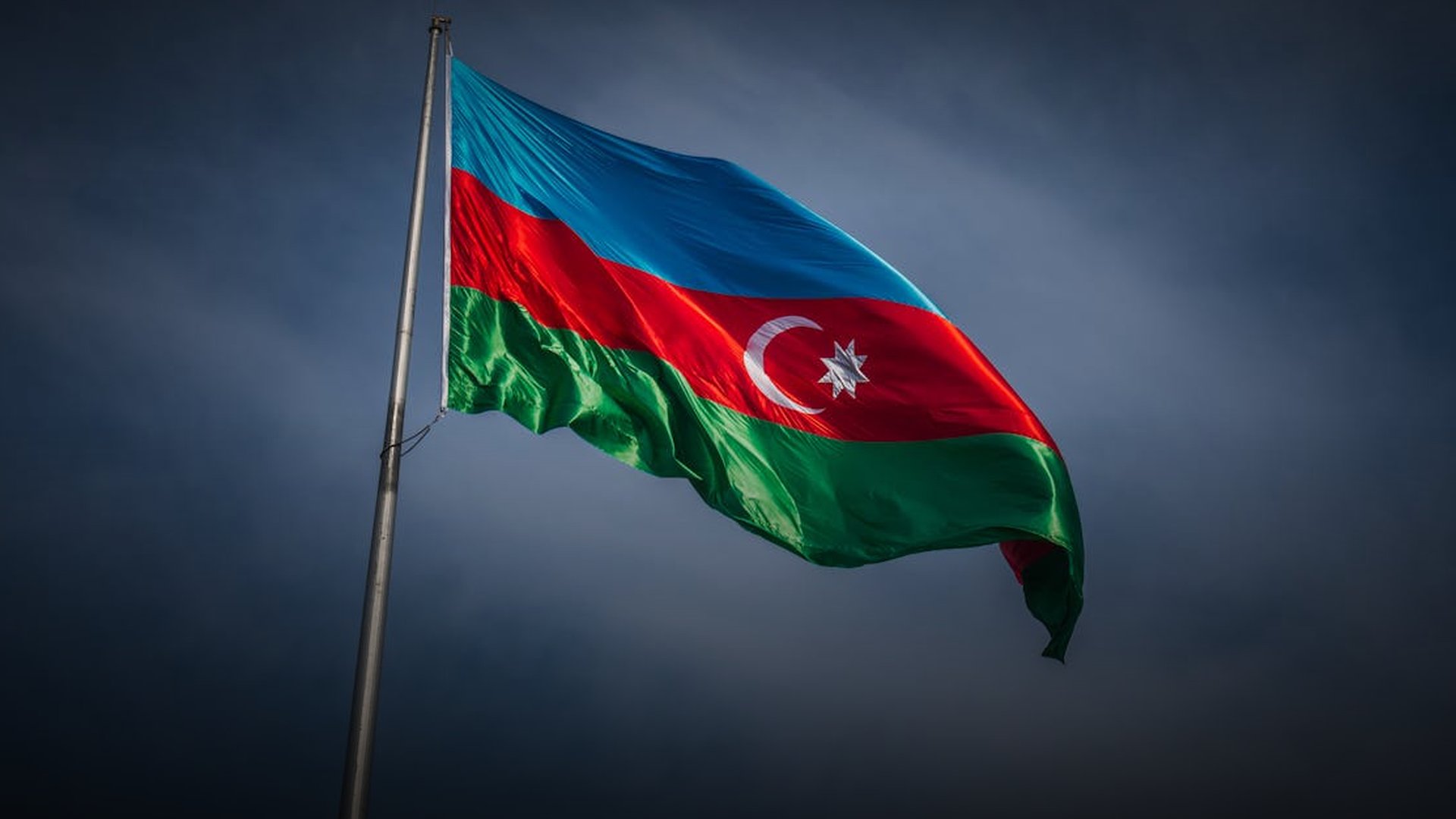
The tricolor flag still flies, but its meaning changes. No longer symbol of democratic aspirations but mere marker of territorial sovereignty - what little remains.
Elchibey’s Legacy
In Nakhchivan exile, Elchibey maintains he remains legitimate president. His loyalists, few and powerless, speak of eventual return. History suggests otherwise.
“He’ll be footnote - the professor who tried to be president during war,” predicts historian Jamil Hasanli. “Noble failure perhaps, but failure nonetheless.”
Azerbaijan’s first democratic president leaves behind lost territories, ruined economy, and discredited ideals. His flight marks not just personal defeat but democracy’s retreat throughout former Soviet space.
Tonight, strongmen rule in Baku while Elchibey reads poetry in exile. The Arabic scholar who quoted Turkic epics while his nation burned has left the stage. What follows may be more effective but will certainly be less free.
The president who promised to lead Azerbaijan to Europe instead led it to catastrophe. His midnight flight from Baku ends one chapter of Azerbaijan’s independence - the chapter where democracy seemed possible, where ideals mattered, where poetry could overcome power.
That chapter is now closed, written in the blood of Khojaly and Kelbajar, signed with Elchibey’s flight. What opens next will be authored by harder men with fewer illusions. Democracy had its chance in Azerbaijan. It failed.