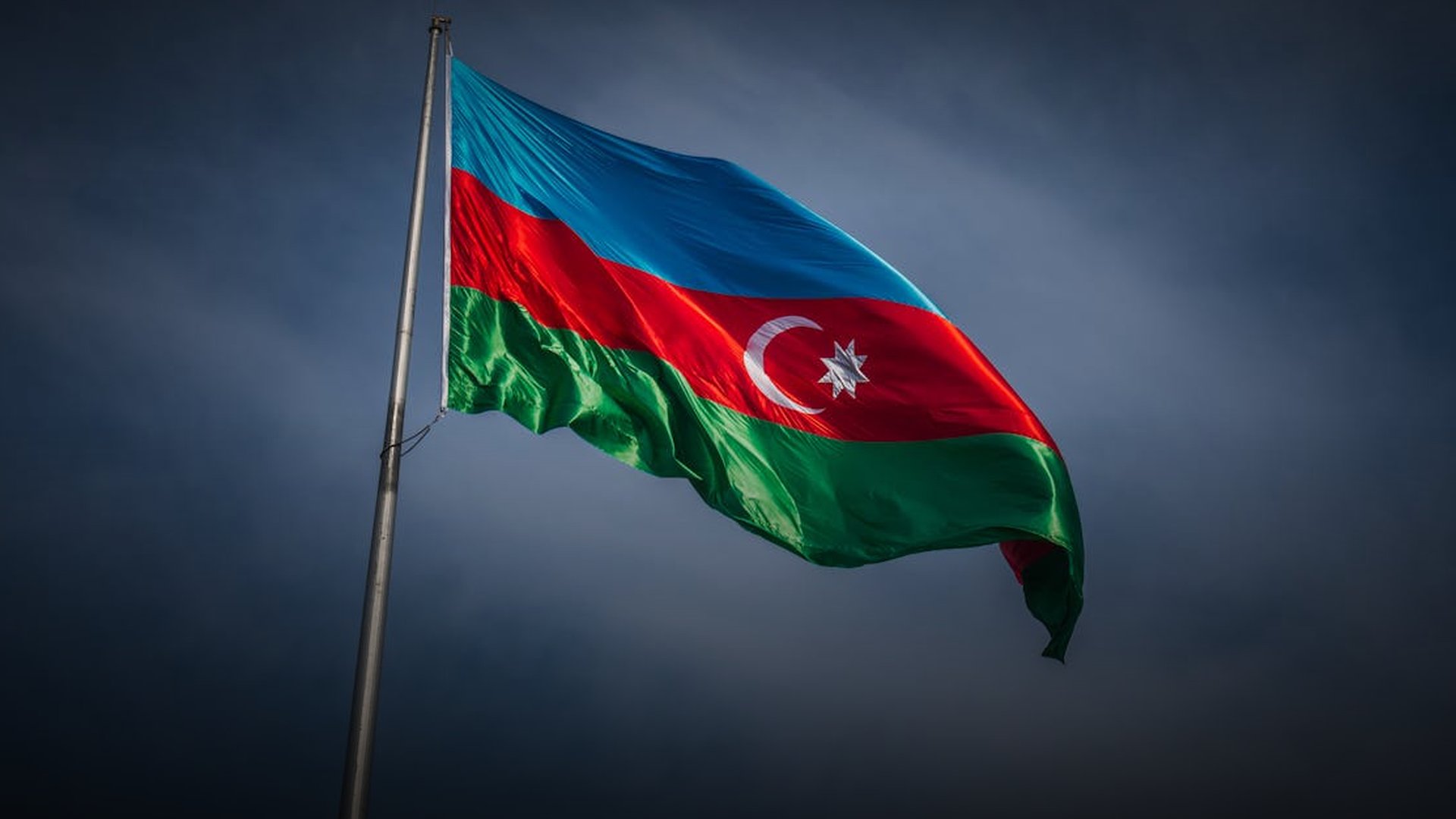
BAKU, Azerbaijan - Azerbaijan’s Supreme Soviet voted overwhelmingly today to declare independence from the Soviet Union, with leaders vowing that reclaiming Nagorno-Karabakh would be the new nation’s top priority.
The declaration, which passed 360-10, came as thousands celebrated in Baku’s streets, waving the blue, red, and green national flag. The failed hardliner coup in Moscow last week convinced even pro-Soviet deputies that the union was finished.
“Azerbaijan regains the independence stolen by Bolshevik invasion in 1920,” declared Supreme Soviet Chairman Ayaz Mutalibov. “Our first task as a sovereign nation is restoring territorial integrity by ending Armenian occupation of our lands.”
The independence declaration specifically names Nagorno-Karabakh as “an inseparable part of Azerbaijan,” rejecting any compromise on the disputed region’s status. This formulation makes conflict with Armenia, which declared independence yesterday, virtually inevitable.
Nation Reborn
For Azerbaijanis, independence represents historical justice after 70 years of Soviet rule. The brief Democratic Republic of Azerbaijan (1918-1920) was the Muslim world’s first parliamentary democracy before Red Army invasion.
“My grandfather served in the first republic’s parliament,” said historian Nasib Nasibli. “He died in Stalin’s camps dreaming of this day. Now we must prove worthy of independence.”
The celebration carries undertones of militarism. Portraits of national heroes who fought Armenians appear everywhere. Speakers repeatedly reference Karabakh as the measure of national honor.
“What kind of independence is it if we cannot control our own territory?” shouted Popular Front leader Abulfaz Elchibey to cheering crowds. “Azerbaijan will be whole or we are not truly free!”
Military Mobilization
Independence immediately affects the military situation. Azerbaijan inherits substantial Soviet military assets on its territory, including the Caspian Fleet and multiple army divisions. Armenian forces in Nagorno-Karabakh face a potentially overwhelming opponent.
“As a sovereign state, we’ll create a proper army to liberate occupied territories,” announced newly appointed Defense Minister Tajeddin Mehdiyev. “The days of Armenian impunity are ending.”
Young men line up at recruitment centers, eager to join the national army. Veterans of the Soviet military offer their expertise. Turkey and Pakistan immediately promise military cooperation with their fellow Muslim nation.
Armenian Response
Armenia views Azerbaijani independence with alarm, particularly the uncompromising stance on Nagorno-Karabakh. Armenian leaders note that Azerbaijan’s first act of independence threatens war.
“They speak of territorial integrity while planning genocide,” charged Armenian parliamentary deputy Ashot Manucharyan. “Nagorno-Karabakh’s Armenians will never submit to Baku’s rule, independence or not.”
The simultaneous independence of both republics transforms their conflict from a Soviet internal matter to potential international war. Without Moscow’s restraining influence, however limited, both sides prepare for escalation.
International Recognition
Turkey becomes the first nation to recognize Azerbaijan’s independence, with Prime Minister Mesut Yilmaz promising “unlimited support for our Azerbaijani brothers.” Pakistan follows within hours. Iran, despite concerns about its own Azerbaijani minority, offers cautious congratulations.
Western nations remain hesitant, worried about regional stability. The U.S. State Department notes the development while urging “peaceful resolution of territorial disputes.”
Russia faces a dilemma - recognizing former republics’ independence while maintaining influence. Military bases and ethnic Russians in Azerbaijan complicate Moscow’s response.
Economic Challenges
Despite oil wealth, Azerbaijan faces enormous economic challenges. Trade links shattered by conflict must be rebuilt. The blockade of Armenia disrupts regional commerce. Military spending will drain resources from development.
“Independence is just the beginning,” warns economist Ziyad Samedzade. “Building a functioning state while at war will test us severely.”
The Road Ahead
As fireworks light Baku’s sky and the new national anthem plays, Azerbaijan embarks on an uncertain journey. Independence brings opportunity but also responsibility for the escalating conflict with Armenia.
The celebration’s militant edge troubles some observers. “They’re defining independence through conflict rather than construction,” notes one Western diplomat. “This nationalism could consume the very state it claims to build.”
But for most Azerbaijanis tonight, such concerns seem distant. After 70 years of foreign rule, the nation is free. Tomorrow’s challenges can wait. Tonight belongs to joy, pride, and dreams of greatness restored.
Yet in Nagorno-Karabakh, Armenian forces dig trenches deeper, knowing that Azerbaijani independence likely means the informal war will soon become official. Two new nations, born from the Soviet Union’s ashes, seem destined to christen their independence with each other’s blood.