BAKU, Azerbaijan - Soviet troops stormed Baku in a massive military operation late last night, killing over 130 civilians in what Azerbaijanis are already calling “Black January,” a bloody crackdown that may have forever severed Azerbaijan’s ties to Moscow.
The assault began at midnight as 26,000 Soviet troops, backed by tanks and armored vehicles, entered the city without warning. The official pretext - restoring order after anti-Armenian pogroms - rang hollow as soldiers fired indiscriminately into crowds and residential buildings.
“They shot at everything that moved,” said Dr. Elmira Gafarova, treating wounded at Baku’s main hospital. “Ambulances, civilians fleeing, even people watching from balconies. This wasn’t restoring order - it was collective punishment.”
The military operation came a week after the anti-Armenian violence had largely ended, with most of Baku’s Armenian population already evacuated. Instead of protecting minorities, troops targeted Azerbaijani opposition activists and Popular Front supporters.
Midnight Massacre
Witnesses describe scenes of carnage as Soviet forces advanced through the city. Tanks crushed cars with occupants inside. Soldiers fired into apartments showing lights. The sound of automatic weapons echoed through the night.
“My son went out to see what was happening,” sobbed Fatima Aliyeva. “They shot him on our doorstep. He was only 19, studying to be a doctor. What threat was he?”
Among the dead are women, elderly people, and children - clearly non-combatants. The morgues overflow with bodies showing bullet wounds from military weapons. Many victims were shot in the back while fleeing.
Communications Cut
Soviet forces cut telephone lines and jammed radio frequencies before the assault, preventing Baku from alerting the world. Only today, as journalists reach hospitals and morgues, does the scale of the massacre become clear.
“They wanted to do this in darkness, without witnesses,” charges Abulfaz Elchibey, Popular Front leader who escaped arrest. “But the blood on Baku’s streets will not wash away. Azerbaijan will never forgive this.”
Turning Point
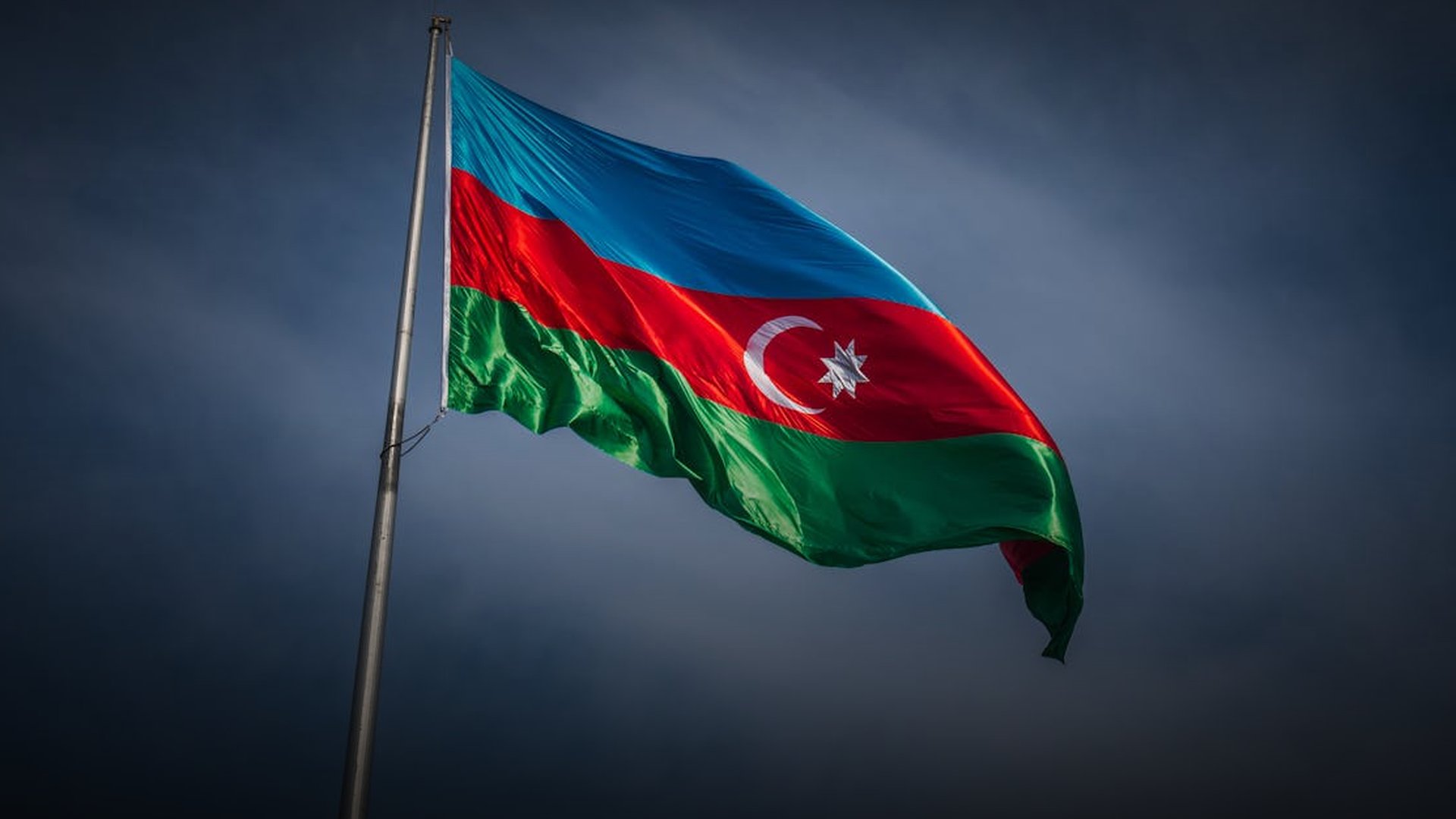
The crackdown, intended to intimidate Azerbaijan’s independence movement, has achieved the opposite effect. Communist Party membership cards burn in the streets. Soviet flags are torn down and replaced with Azerbaijan’s traditional blue, red, and green banner.
“They’ve united all Azerbaijanis against Moscow,” observes a Western diplomat. “Even those who opposed the pogroms now see the Soviet Union as the enemy. Moscow has lost Azerbaijan forever.”
Hospitals struggle to treat hundreds of wounded while families search desperately for missing relatives. The military has arrested thousands, including journalists, human rights activists, and opposition politicians.
International Condemnation
International observers express shock at the disproportionate violence. “Using military force against civilians in a European capital in 1990 is incomprehensible,” states Helsinki Watch representative Jeri Laber. “This is state terrorism.”
The assault’s timing - after the pogroms ended but before Popular Front elections - suggests political rather than humanitarian motives. Moscow appears determined to crush Azerbaijan’s independence movement regardless of human cost.
Legacy of Blood
As Baku buries its dead in mass funerals that become independence rallies, the implications are clear. The Soviet military, once seen as a neutral arbiter, has taken sides through massive violence against civilians.
“Gorbachev sent tanks instead of justice,” declares poet Bakhtiyar Vahabzadeh at a funeral. “He has written the Soviet Union’s death certificate in Azerbaijani blood.”
The massacre radicalizes even moderate Azerbaijanis. Those who previously sought autonomy within the USSR now demand complete independence. The Popular Front, driven underground, gains massive popular support.
Black January marks a turning point not just for Azerbaijan but for the entire Soviet Union. If Moscow will use such violence to maintain control, what republic is safe? As news of the massacre spreads, other Soviet republics accelerate their own independence movements.
In the hospitals of Baku, as doctors struggle to save the wounded, a new Azerbaijan is being born - one that will never again trust Moscow and will pursue independence at any cost. The Soviet Union entered Baku with tanks but lost an entire republic.