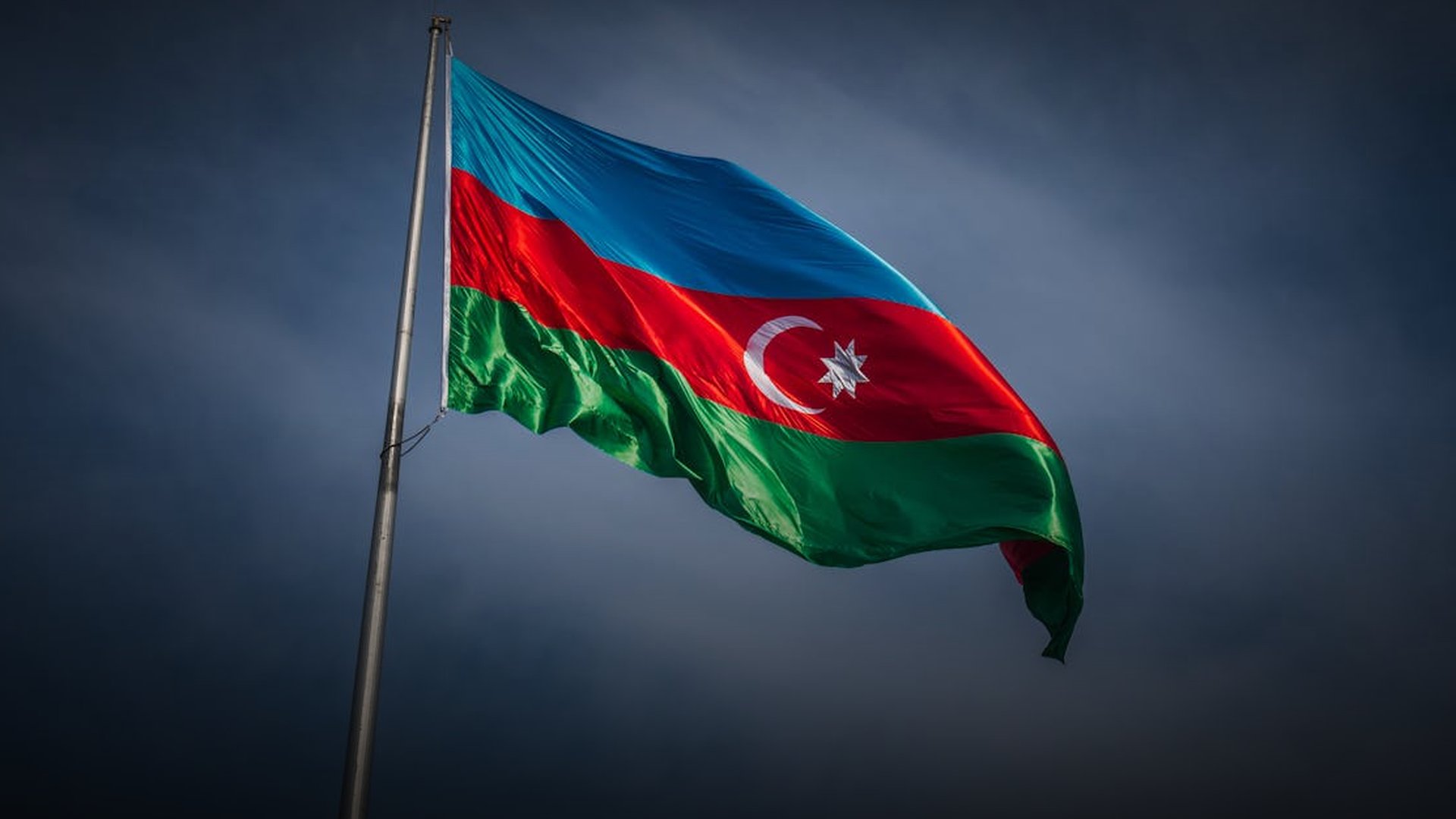
MOSCOW - The Soviet government today abandoned its experiment in direct rule over Nagorno-Karabakh, returning the disputed region to Azerbaijan’s control and triggering an immediate crisis in Armenia.
The decision, announced by the USSR Supreme Soviet, dissolves the Special Administration Committee established in January and restores Azerbaijan’s authority over the predominantly Armenian region. The move represents a complete reversal of Moscow’s attempt to find a compromise solution.
“The Special Administration has failed to normalize the situation,” admitted Supreme Soviet deputy Yevgeny Primakov. “We must restore constitutional order, which means recognizing Azerbaijan’s legitimate sovereignty.”
Within hours, Armenia erupted in protests. Factories shut down, transportation ground to a halt, and hundreds of thousands poured into Yerevan’s streets. The Armenian Supreme Soviet convened an emergency session, with deputies calling for complete independence from the USSR.
“Moscow has betrayed us,” declared Armenian National Movement leader Levon Ter-Petrosyan to a massive crowd. “If the Soviet Union won’t protect Armenians from genocide, we must protect ourselves.”
In stark contrast, Baku celebrated. Azerbaijani Popular Front supporters filled the streets, viewing Moscow’s decision as vindication of their position. “Justice has prevailed,” proclaimed Front leader Abulfaz Elchibey. “Karabakh is and will remain Azerbaijan.”
The decision comes amid reports that Moscow faced an ultimatum from Azerbaijan threatening to cut oil and gas supplies if direct rule continued. The Soviet economy, already in crisis, cannot afford energy disruptions.
Immediate Consequences
Armenian forces in Nagorno-Karabakh announced they would not recognize Azerbaijani authority and would defend themselves against any attempt to impose control. Armed clashes erupted within hours along the region’s borders.
“We declare the Special Administration’s dissolution illegal and void,” stated the Armenian-dominated Nagorno-Karabakh regional council. “We will govern ourselves until reunification with Armenia is achieved.”
Soviet military commanders in the region report losing control over weapons depots as both Armenian and Azerbaijani irregular forces seize arsenals. “The situation is catastrophic,” one officer radioed Moscow. “Both sides are arming for full-scale war.”
Regional Reactions
The decision’s ripple effects spread immediately. Georgian officials expressed alarm that the precedent encourages Azerbaijan’s claims to Georgian territories with Azerbaijani minorities. North Caucasus republics watch nervously as ethnic tensions rise.
Turkey welcomed the decision, with officials suggesting it demonstrates respect for territorial integrity. Iran, however, warned that further destabilization could trigger refugee flows and regional conflict.
The Path to War
Military analysts predict Moscow’s decision makes war inevitable. “By clearly taking Azerbaijan’s side, Moscow has convinced Armenians they have nothing to lose,” explains Colonel Viktor Krivosheyev, a retired Soviet strategist. “Desperate people take desperate measures.”
As night falls, reports arrive of Armenian refugees fleeing Azerbaijani regions while remaining Azerbaijanis evacuate Armenia. The last vestiges of inter-ethnic coexistence crumble as both republics prepare for what increasingly appears inevitable - the first war between Soviet republics.
Moscow’s failed experiment in direct rule leaves a dangerous legacy: two heavily armed ethnic movements, collapsed civil authority, and no mechanism for peaceful resolution. The Kremlin’s retreat from Nagorno-Karabakh may have sealed the fate of not just the region, but the Soviet Union itself.