LENINAKAN, Armenia - A catastrophic earthquake measuring 6.8 on the Richter scale devastated northern Armenia this morning, killing an estimated 25,000 people and leaving hundreds of thousands homeless in a republic already reeling from ethnic conflict.
The quake, centered near the town of Spitak, completely destroyed that community and caused massive damage in Armenia’s second-largest city, Leninakan, and the surrounding region. Multi-story apartment buildings collapsed like cardboard, trapping thousands of residents.
“It’s apocalyptic,” said French rescue worker Philippe Besson, among the first international responders. “Entire neighborhoods are gone. The screams of trapped people can be heard everywhere.”
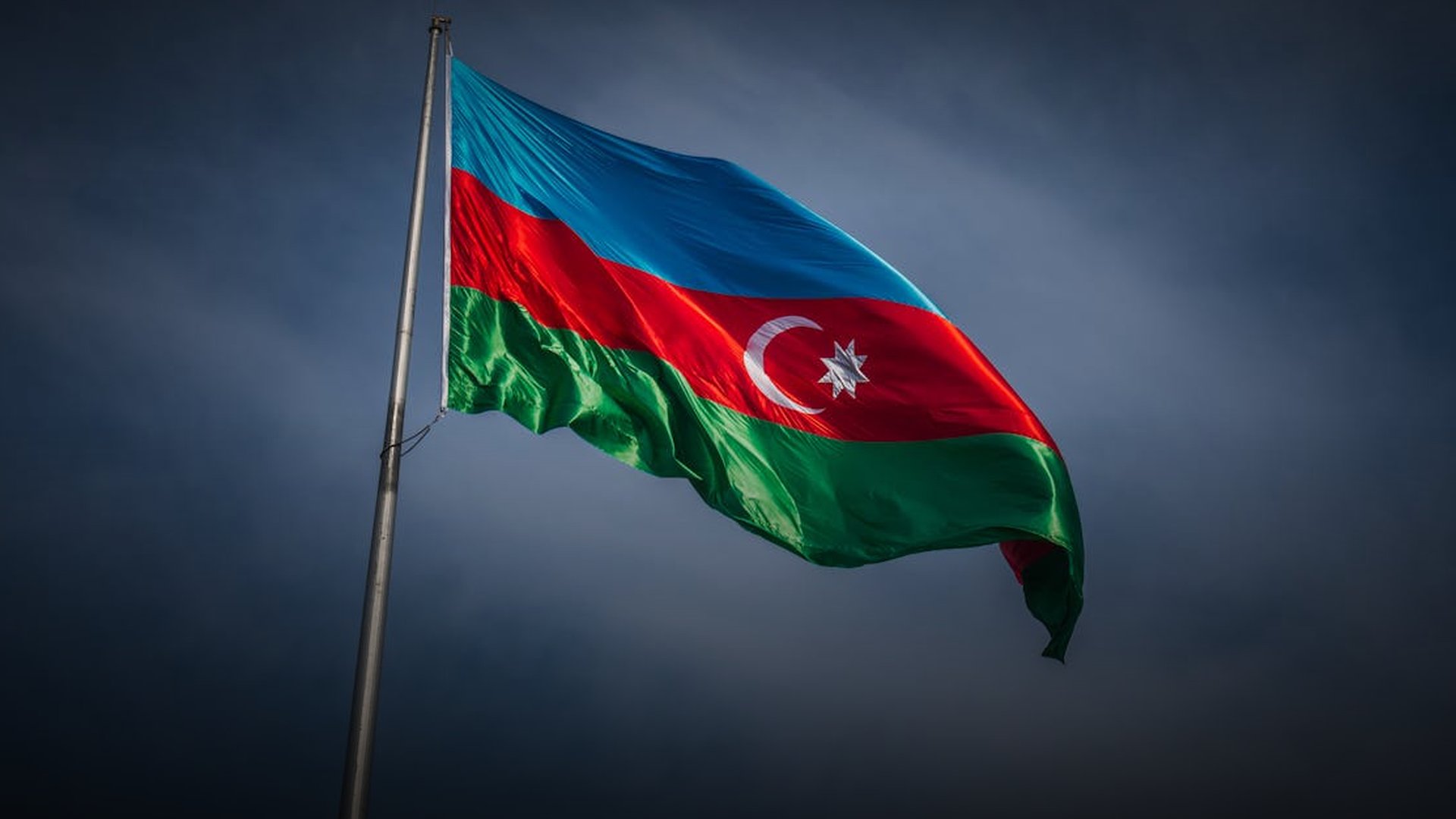
In an unexpected development, Azerbaijan immediately offered assistance despite the ongoing ethnic conflict. Azerbaijani rescue teams and medical personnel crossed into Armenia, working alongside their Armenian counterparts to save lives.
“Natural disaster knows no nationality,” said Azerbaijani doctor Rashid Mahmudov, treating injured Armenians in a field hospital. “Today we are all human beings trying to help.”
The earthquake struck at 11:41 local time when schools and workplaces were full. Many of the victims are children trapped in collapsed schools. In Leninakan alone, four schools collapsed completely.
Soviet leader Mikhail Gorbachev cut short a visit to New York and rushed back to visit the disaster zone. “This is a national tragedy that requires all Soviet peoples to unite in solidarity,” he declared.
International aid pours in from around the world, with even Turkey - despite historical animosity with Armenia - sending rescue teams and supplies. The United States dispatched military transport planes with rescue equipment and medical supplies.
However, the ethnic conflict complicates relief efforts. Some roads through Azerbaijan remain blocked due to security concerns, forcing aid convoys to take longer routes. Refugee camps housing Armenians who fled Azerbaijan now face additional strain.
“We survived the pogrom in Sumgait only to face this,” wept Karine Danielyan, who lost relatives in both tragedies. “God has forgotten Armenia.”
As rescue efforts continue around the clock, observers note the bitter irony - natural disaster has accomplished what months of Soviet intervention could not, bringing Armenians and Azerbaijanis together, if only temporarily, in common humanity.
Yet even amid the rescue efforts, the underlying conflict remains. Armenian activists demand that aid distribution prioritize Armenian refugees over local Azerbaijanis, while some Azerbaijani officials suggest the earthquake is divine punishment for Armenian territorial claims.
The death toll continues to rise as rescue teams reach more remote areas. Winter temperatures threaten survivors huddled in makeshift shelters. Armenia faces the dual challenge of rebuilding from natural disaster while managing an escalating ethnic conflict that shows no signs of resolution.