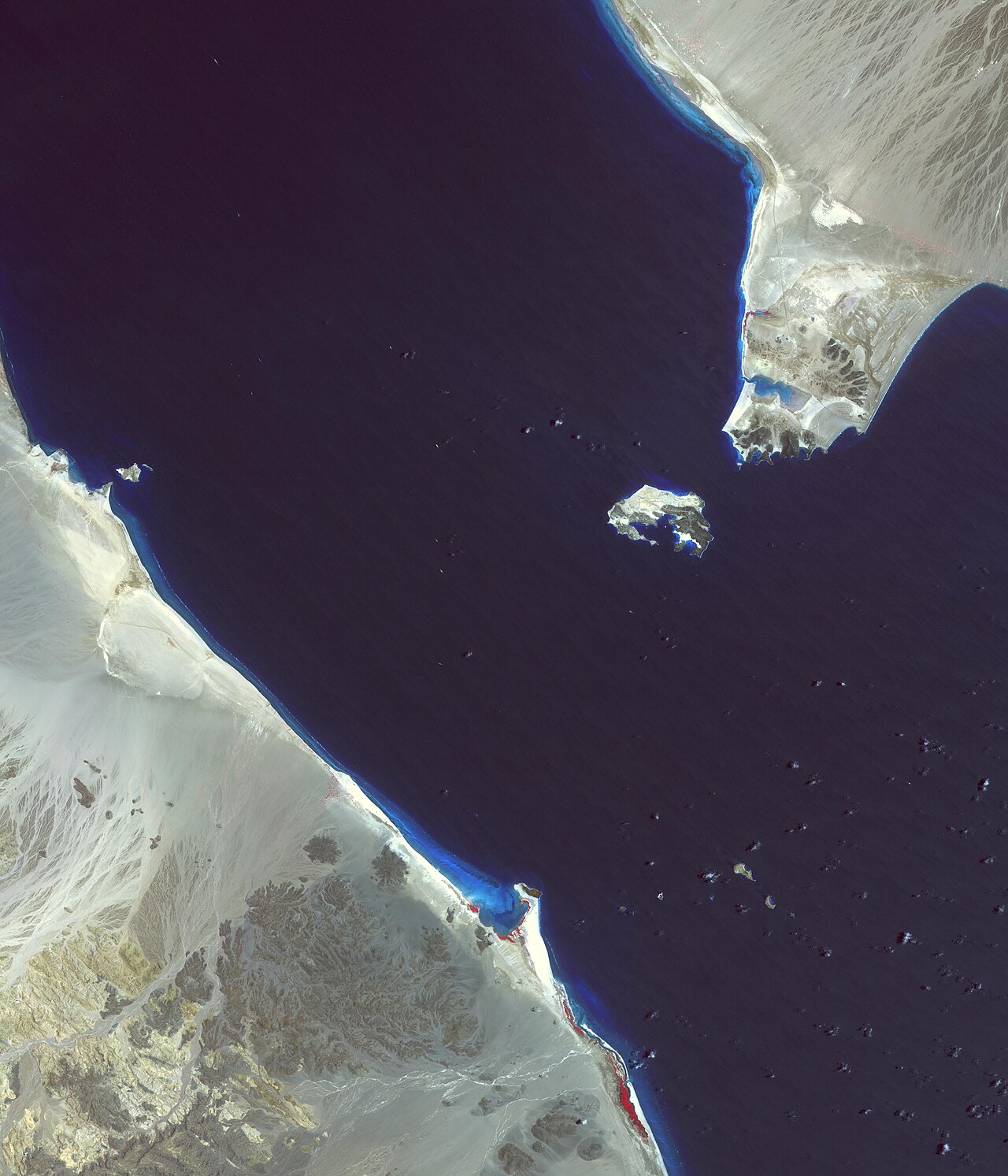
Yemen’s Houthi rebels declared their readiness to enter the widening war between the United States, Israel, and Iran in March 2026, warning that their forces stood prepared to intervene militarily. The announcement came as Houthi fighters launched fresh strikes toward Israel and continued to menace commercial shipping in the Red Sea. Despite a ceasefire agreement reached with Washington in 2025, the group showed no signs of stepping back from its role in the broader regional confrontation.
Houthi Intervention Threat
Senior Houthi officials issued a stark warning in March 2026, stating that Yemen’s armed movement would enter the war against the US-Israel coalition if additional countries joined the offensive against Iran. A spokesperson for the group declared that Houthi forces had their “fingers on the trigger” and were prepared to launch operations on multiple fronts (Times of Israel). The threat marked a significant escalation from Yemen’s rebel movement, which had already demonstrated its capacity to strike targets across long distances during the Red Sea campaign of 2023 and 2024.
The timing of the announcement was deliberate. Iran found itself under sustained aerial bombardment from American and Israeli forces, and the Houthis positioned themselves as a critical node in Tehran’s network of regional allies (NYT). By publicly pledging intervention, the group sought to complicate Washington’s military calculations and force a broader dispersal of US assets across the Middle East. Analysts noted that even the credible threat of Houthi entry into the conflict carried strategic weight, regardless of whether full-scale operations materialized (Forbes).
Red Sea Crisis Continues
The 2025 ceasefire between the Houthis and the United States brought a temporary reduction in direct confrontations, but it failed to restore normalcy to one of the world’s most important shipping lanes. Major carriers including Maersk, MSC, and Hapag-Lloyd continued to route vessels around the Cape of Good Hope rather than risk transit through the Bab el-Mandeb Strait (Forbes). Insurance premiums for Red Sea passages remained at elevated levels, and the few commercial ships that attempted the route did so with heightened security measures.
Houthi forces maintained their attacks on vessels they deemed connected to Israel or hostile nations, exploiting ambiguity in the ceasefire terms that applied specifically to US-flagged and US-linked shipping. Port authorities in Djibouti and across the Horn of Africa reported continued disruptions as the security environment showed no meaningful improvement (NYT). The economic toll of the prolonged shipping crisis extended well beyond the region, contributing to elevated freight costs and supply chain delays that rippled through global markets. For Yemen itself, the continued instability further entrenched the humanitarian catastrophe that had defined the country for over a decade.
Broader War Expands
The Houthi decision to fire on Israel and openly threaten entry into the Iran war raised the prospect of a conflict with no clear endpoint across the Middle East. What began as a US-Israeli campaign against Iranian nuclear and military infrastructure now risked drawing in armed groups from Yemen to Lebanon to Iraq (Times of Israel). Each new participant added layers of complexity that made diplomatic resolution increasingly difficult. The United States, which had launched thousands of strikes against Houthi positions during the 2023-2024 Red Sea campaign, faced the possibility of reopening a costly front in Yemen even as its forces remained committed to operations against Iran.
For Tehran, the Houthi threat served as proof that its investment in regional proxies continued to yield strategic dividends under pressure. Iran’s network of allied militias operated as a distributed deterrent, capable of stretching American and Israeli military resources across multiple theaters simultaneously (Forbes). The question confronting Washington and its allies was whether the conflict could be contained before additional actors followed the Houthi example. With rebel forces in Yemen openly preparing for war and Red Sea commerce still in disarray, the March 2026 escalation underscored how deeply the Iran conflict had reshaped the security landscape of the entire region.