Iranian state television has named eight Gulf energy facilities it will strike if the ceasefire with the United States collapses.
The list
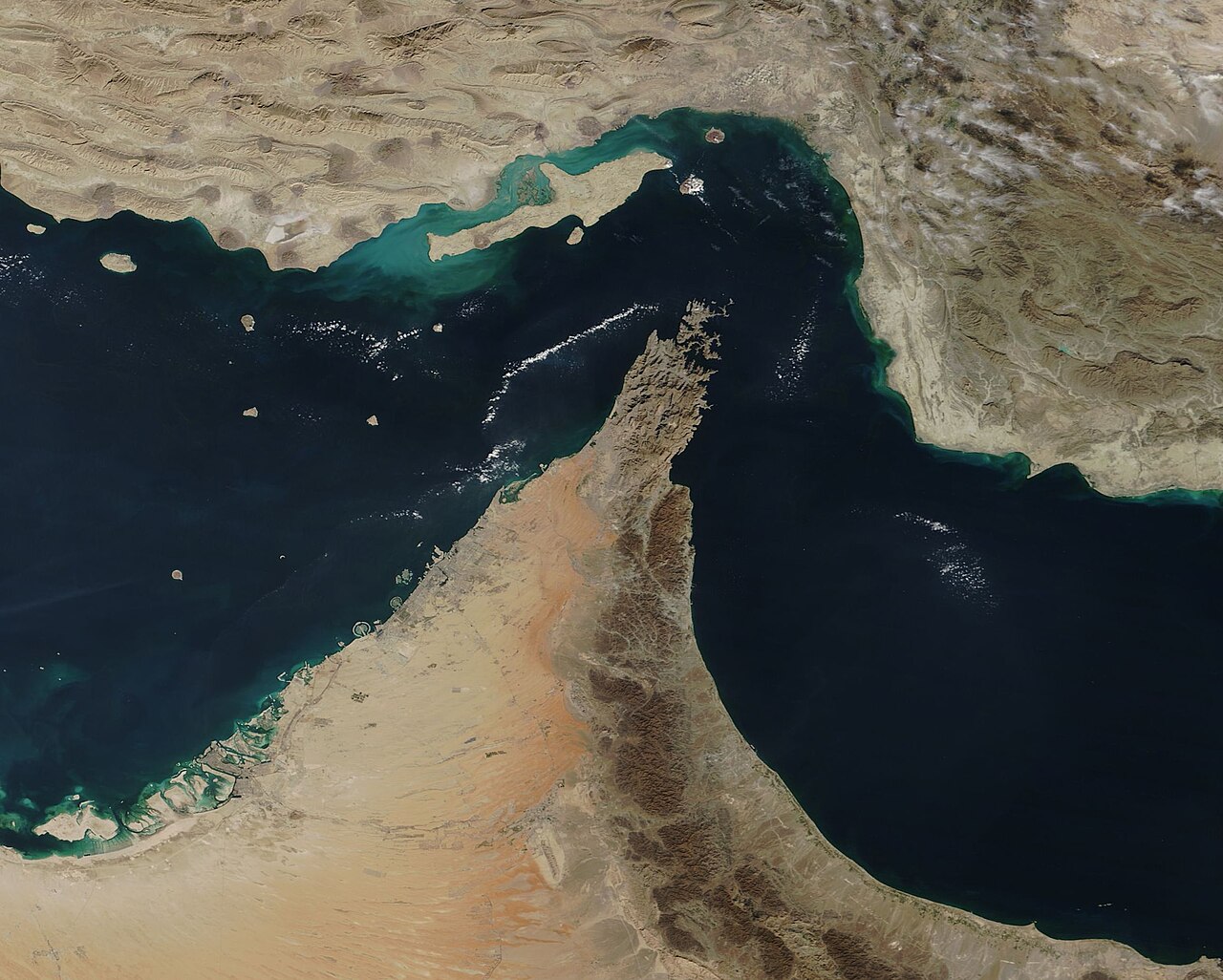
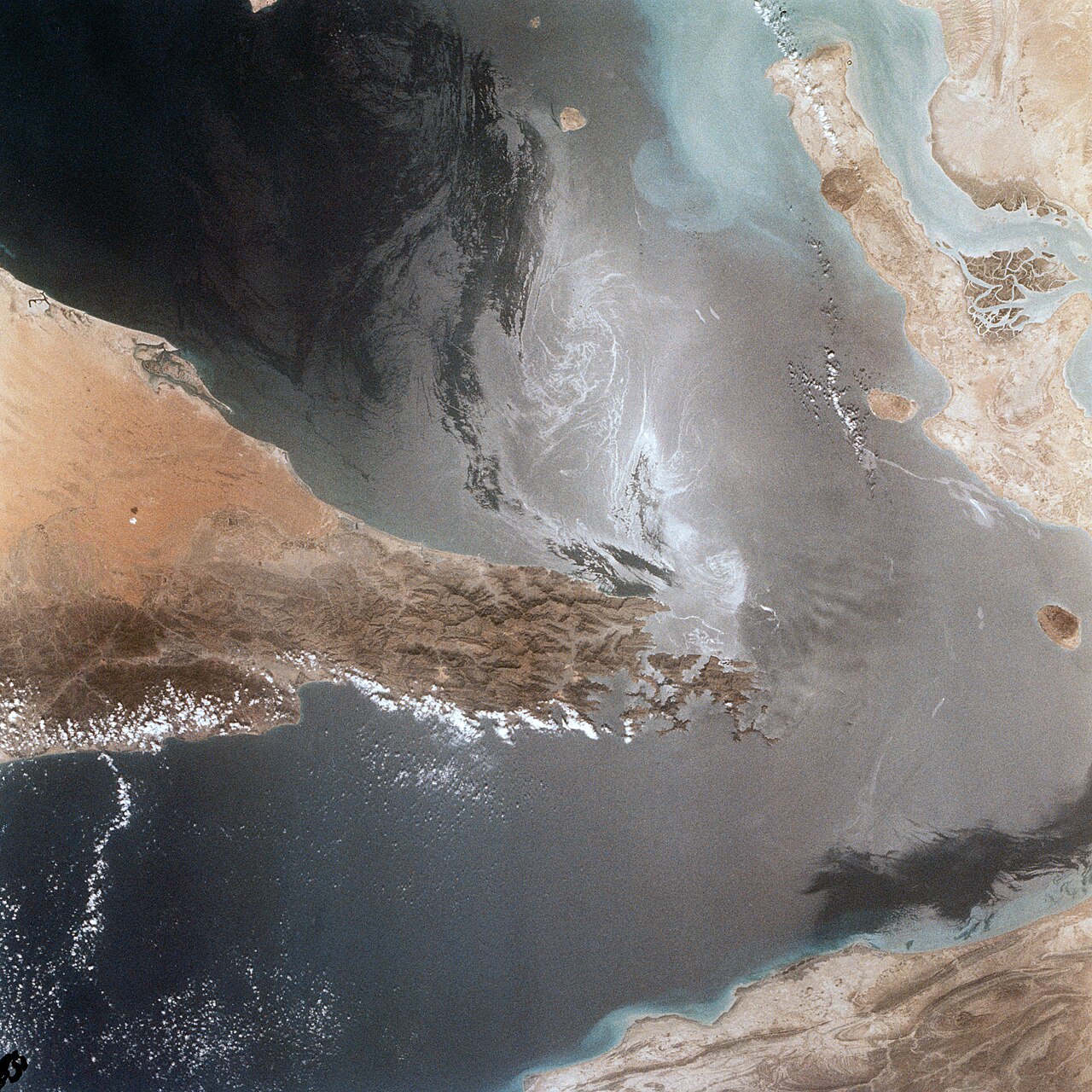
IRINN broadcast the map on April 24, marking targets across four countries.
Saudi Arabia:
- Abqaiq: the world’s largest crude stabilization plant, processing roughly 7 percent of global supply before export
- Safaniya: the world’s largest offshore oil field by production capacity
- Khurais: a major onshore oil production facility
United Arab Emirates:
- Das Island: a hub for oil and liquefied natural gas exports
- Zirku Island: an offshore oil processing and export terminal
Qatar:
- Ras Laffan: one of the world’s largest LNG production and export facilities
- RasGas: a major LNG production complex
Kuwait:
- Burgan: the world’s second largest oil field by proven reserves
The implications
Greek news portal pronews.gr assessed that a simultaneous strike on even half of these facilities would cause “an energy shock unprecedented in modern times.”
The threat is not abstract. In March, IRGC drones hit Saudi Arabia’s East-West Pipeline pumping stations, reducing throughput on the Petroline route.
Abqaiq was attacked before. In September 2019, drones and missiles knocked out roughly 5 percent of global oil supply and triggered the largest single-day price spike on record. Yemen’s Houthi movement claimed that strike, though analysts widely attributed it to Iran.
The message
By publishing the list, Iran issued a direct warning to Gulf states: do not let Washington use your territory or facilities to attack Iran. IRGC Aerospace Force commander General Majid Mousavi made the same point earlier this week, telling Gulf states to “say goodbye to oil production in the Middle East” if they cooperate.
The broadcast also targets Washington. Three US carrier strike groups are now in the region. CNN reports the Pentagon is preparing new strike plans for the Strait of Hormuz. Iran’s answer, delivered on state TV: any attack on its territory triggers retaliation across the entire Gulf.
The stakes
Brent crude is already trading at $105.80 per barrel. A strike on Abqaiq alone could push prices well above $130, according to energy analysts. Simultaneous attacks on multiple facilities would enter uncharted territory.
The eight sites represent a significant share of global oil and gas exports. Disrupting all of them would hit Gulf economies, then energy markets in Europe, Asia and North America.