IEA executive director Fatih Birol said the closure of the Strait of Hormuz is not a temporary problem. It is a structural shift that demands permanent alternatives, he told Turkish newspaper Hurriyet on April 19.
The Proposal
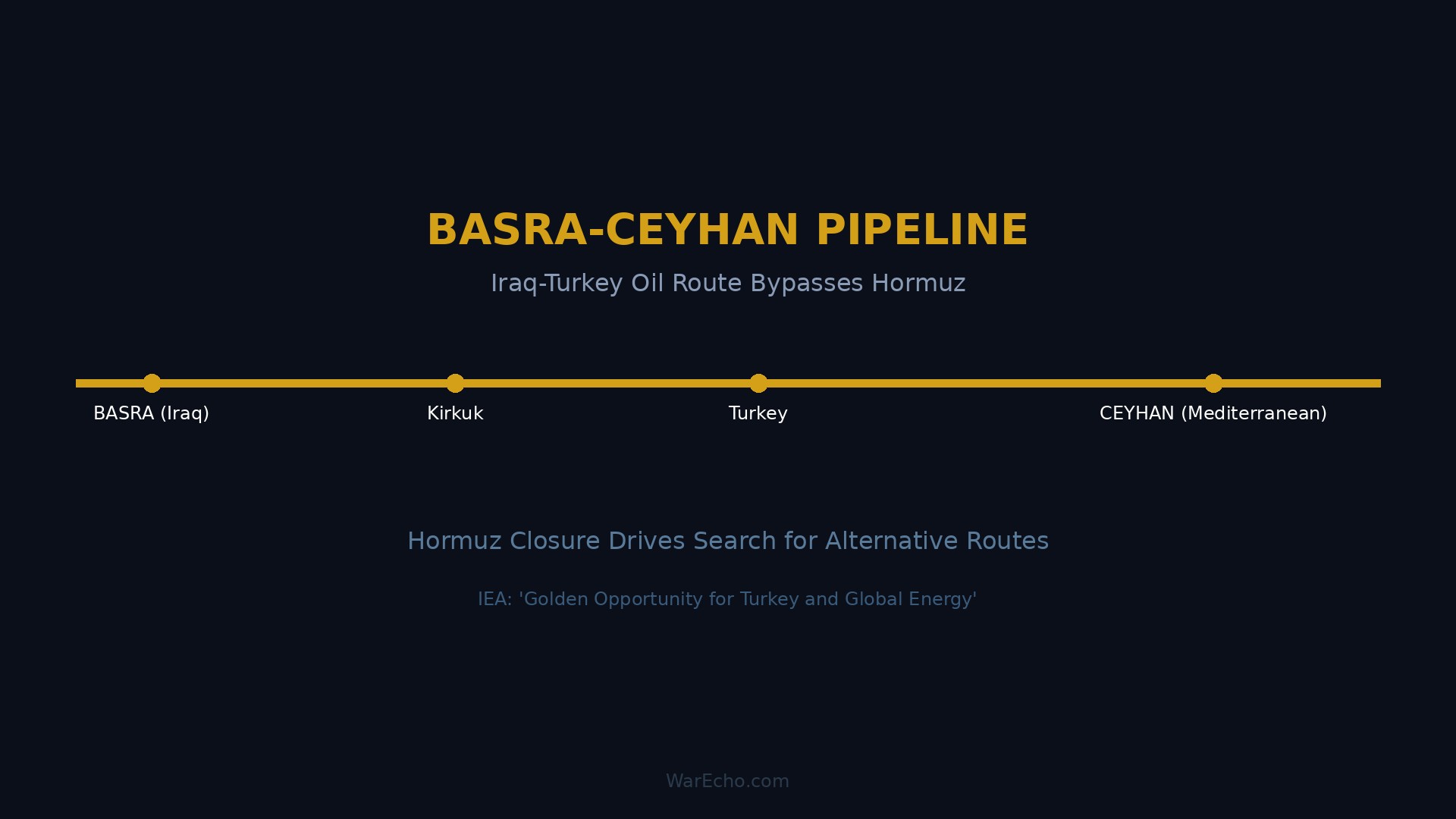
Birol spoke on the sidelines of the Antalya Diplomatic Forum. The Basra-Ceyhan pipeline project could solve several problems at once, he said. The line would carry crude from southern Iraqi oil fields near Basra through Turkey to the Mediterranean port of Ceyhan.
That route skips the Persian Gulf, the Strait of Hormuz and the Iranian naval threat. Oil loaded at Ceyhan sails to European markets with no Gulf exposure.
“A new pipeline could become a golden opportunity both for Turkey and for the global energy market,” Birol told Hurriyet.
Why Now
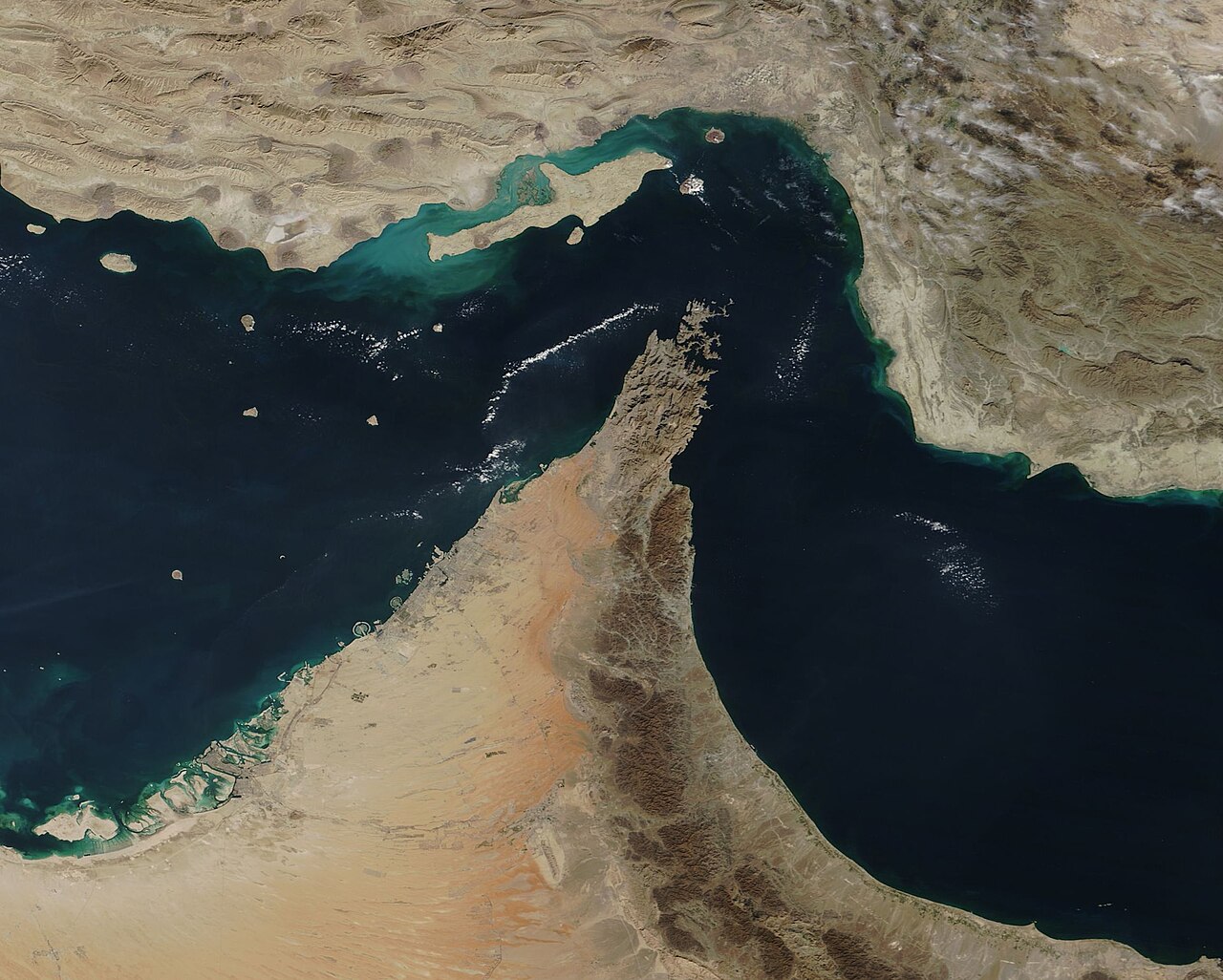
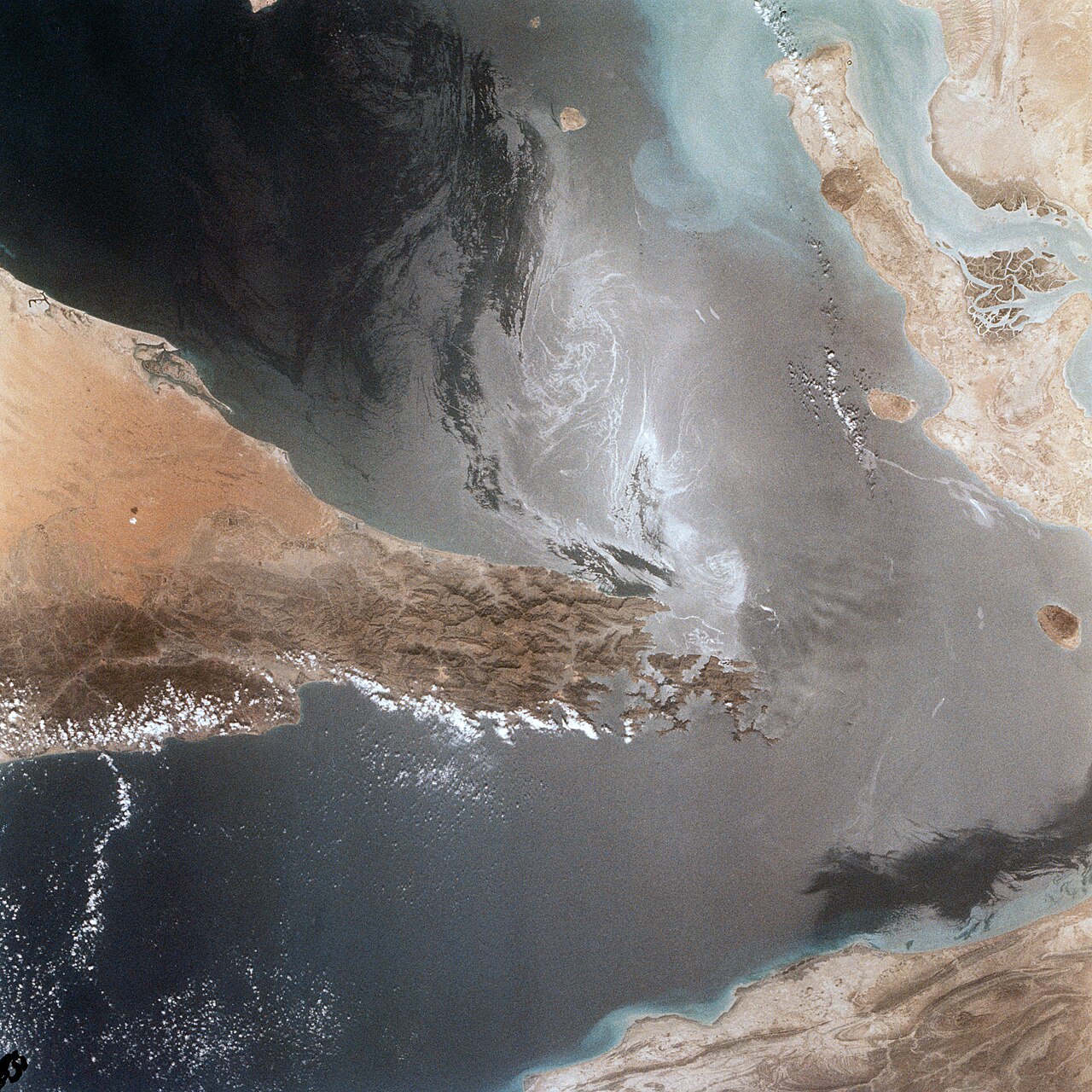
Hormuz has closed, reopened and closed again since March. Even when open, the threat of closure now hangs over every energy player like the sword of Damocles, Birol said.
Work on alternative routes, alternative technologies and alternative fuels will continue at the same pace regardless of the ceasefire outcome, he added.
The IEA chief also warned that energy facilities across the region, including oil and gas refineries and LNG terminals, have suffered significant damage. “When oil and gas fields are deactivated, their rehabilitation can take a very long time,” he said.
The Route
The existing Iraq-Turkey pipeline runs from Kirkuk to Ceyhan. The proposed Basra-Ceyhan extension would connect southern Iraqi oil fields to that infrastructure, creating a second export corridor independent of the Gulf.
Turkey’s role as an energy hub would expand. Iraq gains a stable export route that does not depend on Hormuz. Europe gets another supply source beyond Russian gas and Gulf oil.
What It Takes
Birol acknowledged the challenges. The project requires political coordination between Turkey and Iraq, both of which have complicated internal dynamics. International financing is also needed, including from European countries interested in supply diversification.
Construction would take years. For now, Hormuz remains the only practical route for roughly 20 percent of global oil, plus LNG and petroleum products.
The Bigger Picture
The Iran war has exposed a vulnerability energy analysts flagged for decades: the world’s most critical oil chokepoint runs through a country willing to close it. The 2026 closure is the longest and most disruptive in Hormuz history.
Even if the US and Iran reach a deal before the April 22 ceasefire deadline, the lesson is learned. Energy diversification away from Hormuz is no longer optional, Birol said. It is a strategic imperative.
The Basra-Ceyhan pipeline is one answer. Others include expanded LNG capacity, the Saudi East-West Petroline to Yanbu and renewable energy investments that cut oil dependence. Pipelines are the fastest path to meaningful change, and this one has the IEA’s backing.