The US naval deployment to the Strait of Hormuz has generated conflicting reports: CENTCOM insists the blockade is “fully operational” and has stopped most Iranian maritime trade within 36 hours, yet more than 20 commercial vessels have reportedly passed through the strait in recent days. Understanding this apparent contradiction is essential to assessing the actual impact of the American pressure campaign.
What the Blockade Actually Covers
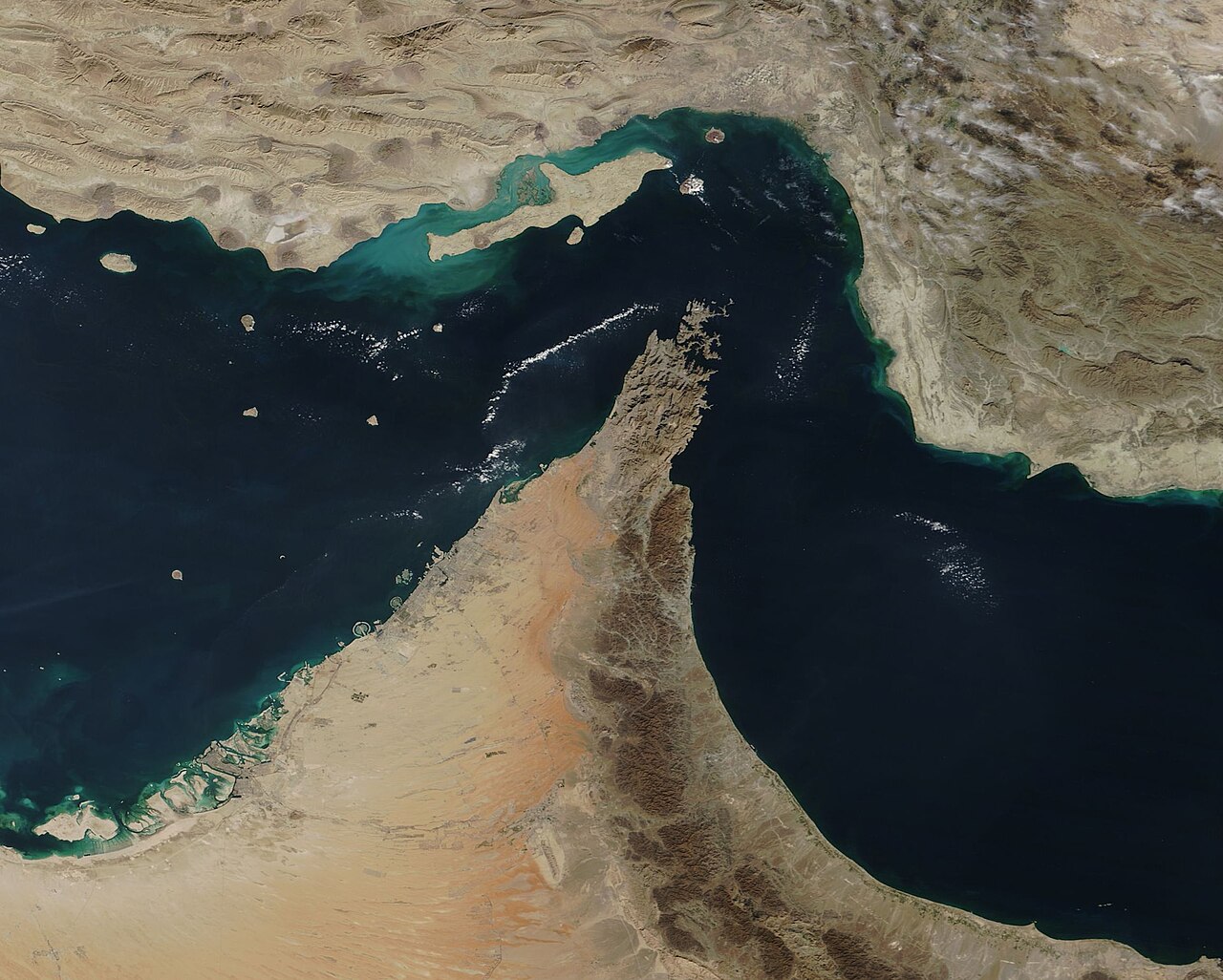
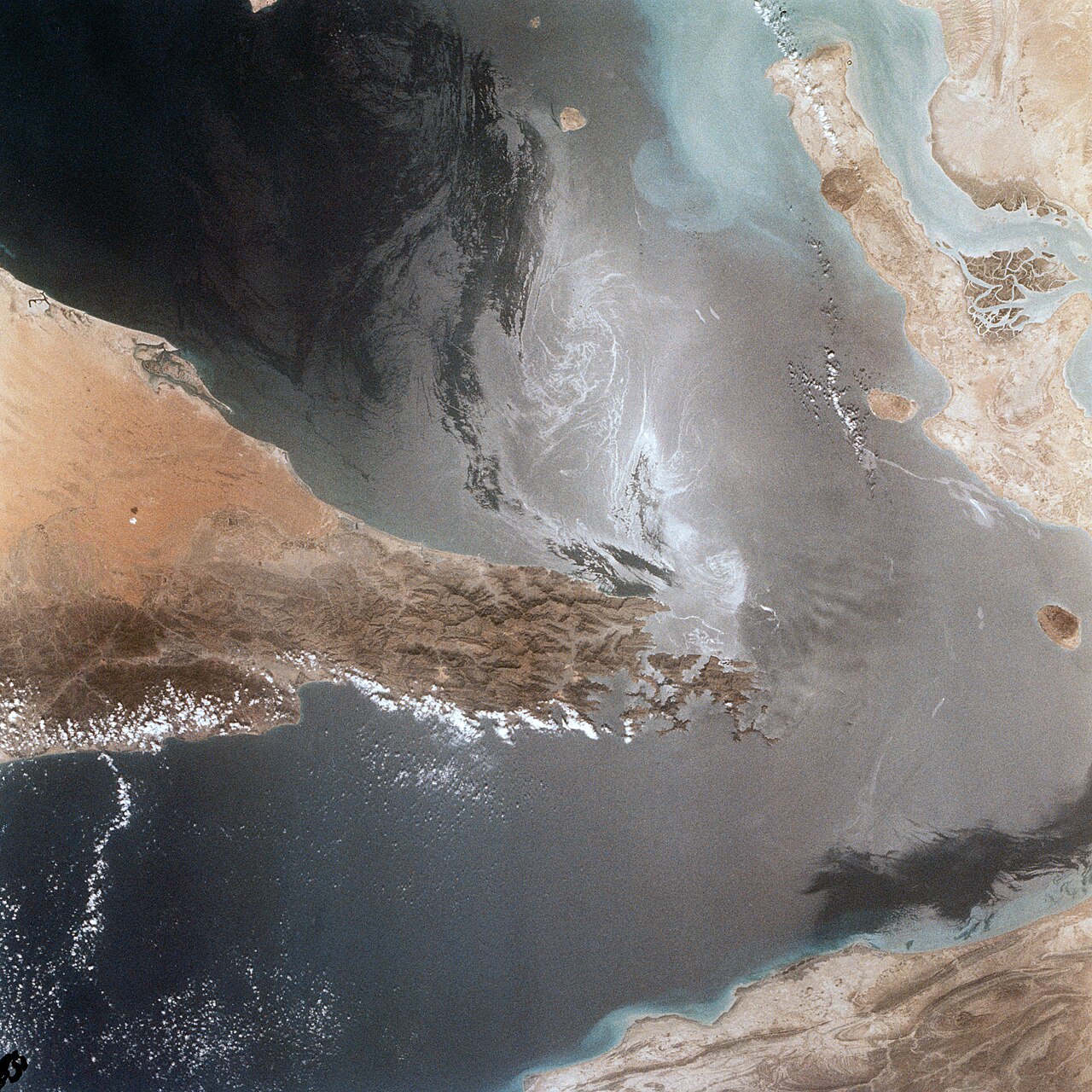
According to CENTCOM, the blockade targets Iranian ports, both those inside and outside the Strait of Hormuz, not the international waterway itself. International shipping that is not connected to Iran may freely transit the strait.
Blocking the strait itself would constitute a violation of international maritime law, a step the United States has thus far avoided. This distinction is critical: the blockade is designed to isolate Iranian ports, not to close a global chokepoint through which approximately 20% of the world’s oil exports flow.
“The blockade covers all Iranian ports, but not the strait itself,” noted military analysts reviewing the operational scope. “Shipping unrelated to Iran can pass.”
How the US Enforces Blockade at Distance
The second key factor is the reach of modern maritime enforcement capabilities. US forces can intercept vessels carrying Iranian-linked cargo thousands of kilometers from the strait, in international waters, long after they have passed through the waterway.
Former US Navy Captain Karl Schuster explained that the US does not need to position ships inside the Persian Gulf to enforce the blockade. “The majority of the more than 12 ships that CENTCOM says are participating in the blockade are actually located outside the Strait of Hormuz,” he noted.
This extended reach effectively creates a much wider enforcement zone than the strait itself. Commercial vessels carrying non-Iranian cargo have strong incentives to cooperate with inspection demands, given the consequences of being found transporting sanctionable goods.
The Iranian Perspective
Iranian petrochemical and oil exports have nonetheless been severely disrupted. Even before the blockade, Israeli airstrikes had damaged the Asaluyeh and Mahshahr complexes, facilities representing 76% of Iran’s petrochemical production capacity.
With shipping routes to Iranian ports effectively blocked and production facilities damaged, Iran’s ability to export petrochemical products has been nearly eliminated. The Iranian government announced on April 16 that all petrochemical exports had been suspended indefinitely.
What Continues to Pass
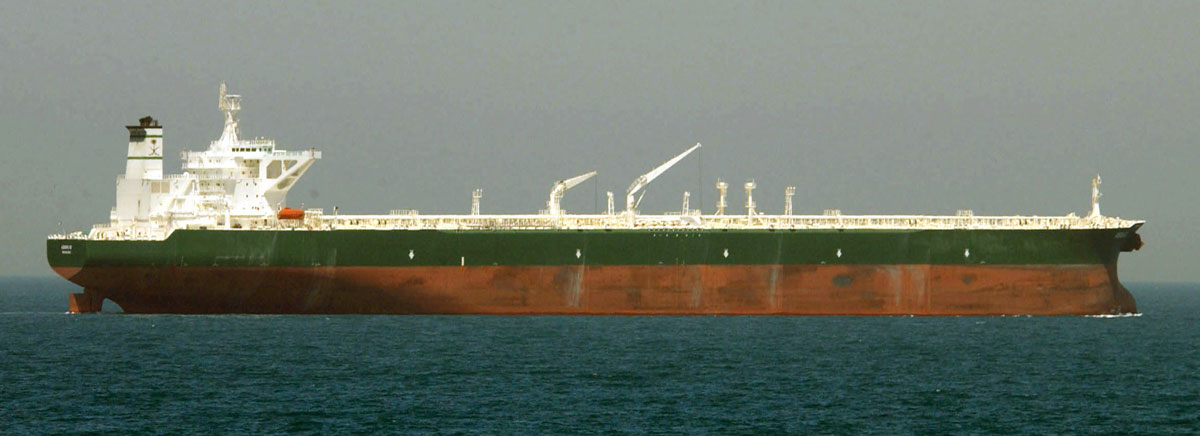
The vessels transiting the strait are primarily those carrying non-Iranian cargo, oil from Gulf Arab states, consumer goods destined for Oman and other regional markets, and products unrelated to Iranian trade. These shipments are explicitly permitted under the blockade’s rules as currently defined.
CENTCOM maintains that no vessel has successfully delivered cargo to or from Iranian ports since the blockade took effect. The question is not whether the strait is open, it remains open, but whether Iranian commerce can reach it.
Approximately 90% of Iran’s economy depends on international maritime trade. In less than 36 hours from the imposition of the blockade, American forces fully halted all economic exchange to and from Iran by sea.
WarEcho notes that the distinction between “blockade of Iranian ports” and “closure of the Strait of Hormuz” is both legally and practically significant. International law treats port blockades differently from chokepoint closures, and the US has avoided the more provocative step of actually closing the strait to international shipping.