First US-Iran Talks Since 1979
The Islamabad talks represent the highest-level direct engagement between Washington and Tehran since Iran’s Islamic Revolution in 1979 — a historic diplomatic milestone after six weeks of war.
The United States and Iran began negotiations in Islamabad on Saturday through an unusual format that underscored the deep mutual distrust between the two nations: proximity talks, with Pakistani officials physically carrying messages between two separate rooms.
How the Talks Work
Though both delegations occupied the Jinnah Convention Center in Islamabad’s heavily secured Red Zone, they never sat in the same room. Vice President JD Vance and his team sat in one conference room while Parliament Speaker Mohammad Bagher Ghalibaf and his 71-member delegation sat in another. Pakistani Prime Minister Shehbaz Sharif, Foreign Minister Ishaq Dar, and Army Chief Asim Munir shuttled proposals between them.
The format — known in diplomatic jargon as proximity talks — has been used in other intractable conflicts, most notably in the Israeli-Palestinian negotiations and Syria peace talks. It allows adversaries to negotiate without the political risk of being photographed shaking hands.
‘We Have Goodwill. But We Do Not Have Trust.’
Ghalibaf arrived with deep skepticism about American intentions, shaped by decades of broken commitments and the fresh wounds of war.
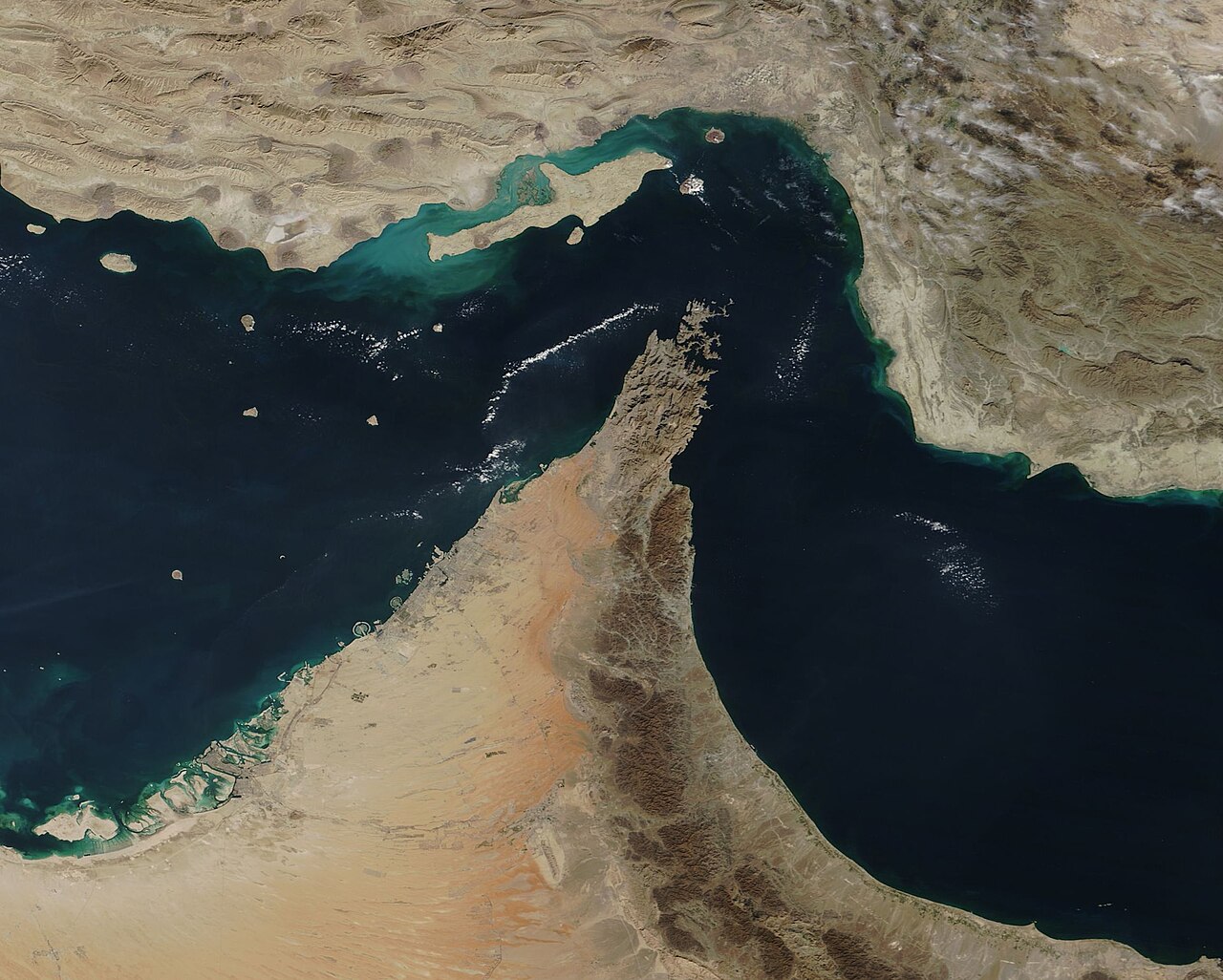
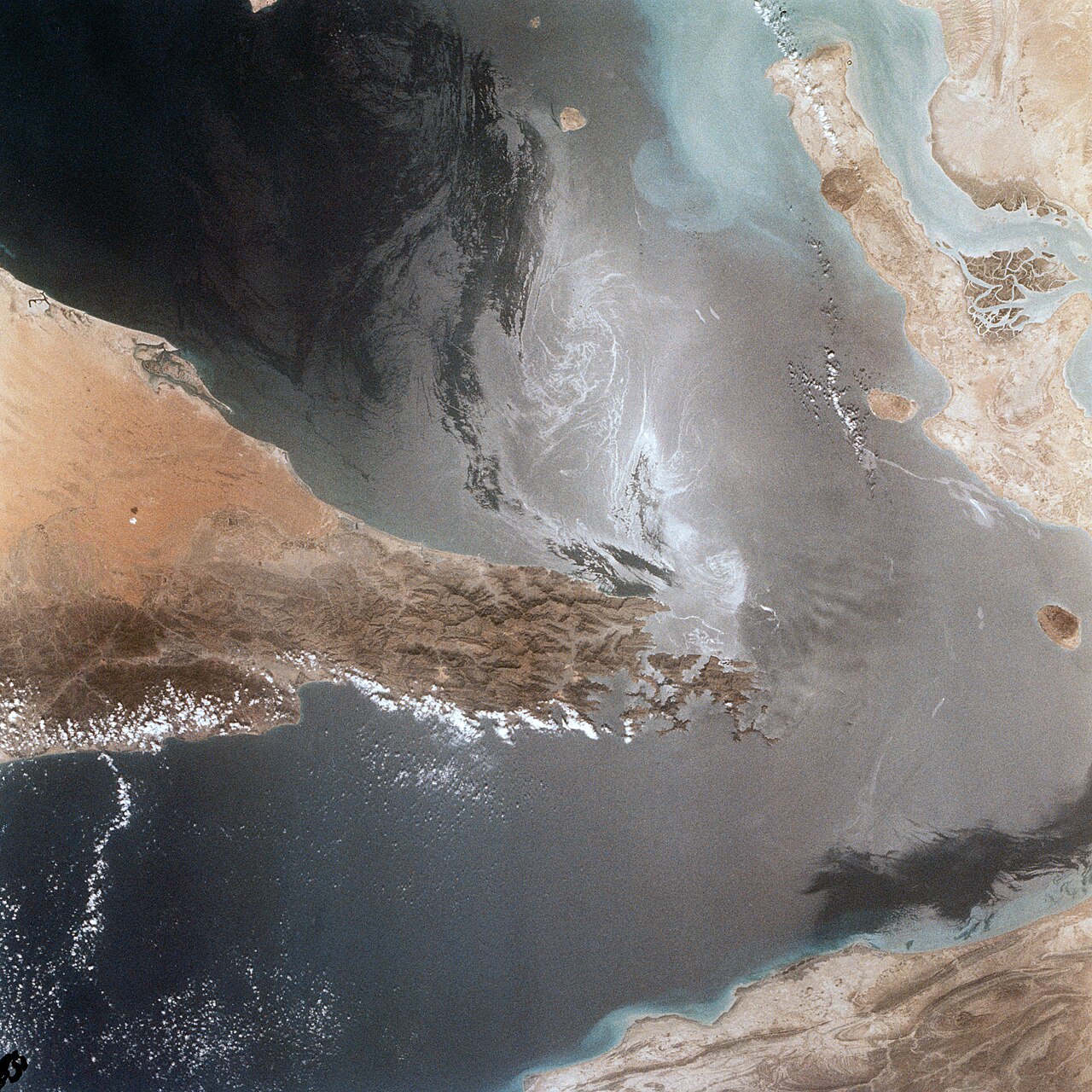
Iran’s red lines, broadcast on state television as talks began, included maintaining sovereignty over the Strait of Hormuz and demanding a ceasefire in Lebanon before substantive negotiations could proceed.
Vance’s Warning
The Vice President struck a more cautious tone than his pre-departure optimism suggested.
Trump continued his pressure campaign from Washington, accusing Iran of violating ceasefire commitments by failing to reopen the Strait of Hormuz. Only a handful of commercial ships have transited since the April 7 agreement, and oil prices have continued to climb.
Lebanon Overshadows Talks
The most disruptive element remained Israel’s ongoing military operations in Lebanon. UNICEF declared there was “no longer a safe place in Lebanon” after over 100 Israeli strikes hit targets within a ten-minute span earlier in the week, killing hundreds and injuring several hundred more.
Lebanon’s Health Ministry reported 357 deaths from Israeli attacks since the ceasefire was announced, according to the ministry’s daily update cited by Al Jazeera and NBC News — casualties inflicted after the supposed end of hostilities. Iran has insisted that Lebanon is part of the ceasefire agreement. The US and Israel maintain it is not.
The contradiction threatens the entire diplomatic framework: Iran may refuse to negotiate the war’s end while its ally Hezbollah is under heavy Israeli strikes.
Pakistan’s Careful Choreography
Pakistan set modest expectations for the summit, aiming not for a comprehensive peace deal but for agreement on a framework to continue talking beyond the April 21 ceasefire deadline.
Security in Islamabad’s Red Zone was at its highest level in years, with the area sealed off to public traffic. Organizers provided journalists with tea, coffee, and music as negotiations stretched through the day.
Iranian Media Perspective
Iran’s state-run Tasnim News Agency framed the talks as a test of American sincerity, reporting that Ghalibaf carried a mandate from Supreme Leader Mojtaba Khamenei to “negotiate from a position of strength.” IRNA, Iran’s official news agency, emphasized that Iran’s 10-point plan was “non-negotiable in its core principles” but left room for discussion on implementation timelines.
Pakistan’s Role
Pakistan’s Dawn newspaper reported that Prime Minister Sharif viewed the talks as the most significant diplomatic event hosted by Pakistan since the 1999 Lahore Declaration with India. Foreign Minister Ishaq Dar told Dawn that Pakistan’s goal was modest: “to keep both sides talking past April 21.”
What Comes Next
Iran’s 10-point peace plan forms the basis of discussions, though Washington has signaled it will not accept all demands. The key questions are whether Iran will agree to fully reopen the Strait of Hormuz, and whether the US can deliver a Lebanon ceasefire from Israel.
The two-week ceasefire expires on April 21. If no framework agreement is reached, the war resumes.
Sources: Al Jazeera, NBC News, NPR, CNBC, Times of Israel, Tasnim News Agency, IRNA, Dawn (Pakistan)