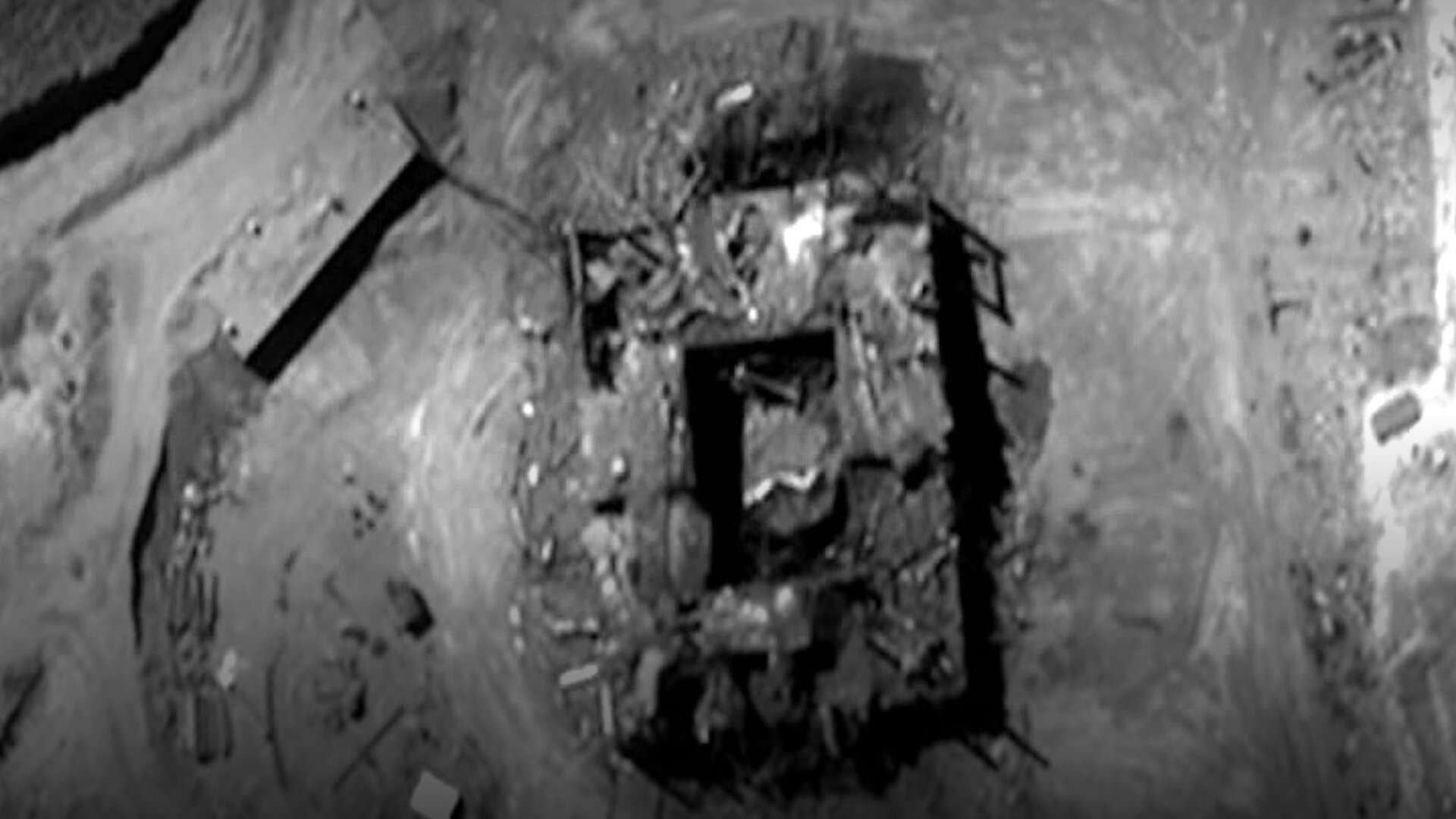
Israel destroyed a suspected nuclear reactor at Al-Kibar, Syria, on September 6, 2007, in a surprise airstrike that prevented potential Iranian-Syrian nuclear cooperation and regional proliferation.
Operation Orchard
Details of the Israeli airstrike:
- F-15 and F-16 aircraft conducted raid
- Complete destruction of reactor facility
- No Israeli casualties reported
- Syrian air defenses neutralized
North Korean Connection
International aspects of Syrian nuclear program:
- North Korean reactor design and construction
- Technical assistance from Pyongyang
- Suspected weapons-grade plutonium production
- Violation of nuclear non-proliferation norms
Iranian Interest
Tehran’s potential involvement:
- Financial support for Syrian nuclear program
- Technology sharing agreements
- Regional nuclear cooperation framework
- Strategic alliance implications
Intelligence Gathering
Israeli information on the facility:
- Years of surveillance and intelligence
- Human intelligence operations
- Photographic evidence collection
- International intelligence cooperation
Syrian Response
Damascus reaction to the attack:
- Initial denial of nuclear activities
- Limited military response
- International diplomatic protests
- Media blackout on incident
Regional Implications
The strike’s broader significance:
- Prevention of nuclear weapons spread
- Demonstration of Israeli determination
- Message to Iranian nuclear program
- Regional non-proliferation enforcement
International Reaction
Global response to the bombing:
- IAEA investigation initiated
- UN Security Council discussions
- US support for Israeli action
- European concerns about escalation
Nuclear Proliferation Prevention
Strategic impact of the operation:
- Halted Syrian nuclear weapons development
- Deterred Iranian nuclear cooperation
- Reinforced non-proliferation norms
- Prevented regional nuclear arms race
Technical Assessment
Reactor facility characteristics:
- Heavy water reactor design
- Weapons-grade plutonium production capability
- Hidden from international inspectors
- Advanced construction stage
Diplomatic Aftermath
Long-term consequences of the strike:
- Syrian nuclear program termination
- Enhanced IAEA monitoring
- Regional nuclear cooperation restrictions
- Precedent for preventive action
Israeli Nuclear Doctrine
The strike as part of broader strategy:
- Prevention of regional nuclear proliferation
- Maintenance of nuclear monopoly
- Deterrence of enemy nuclear programs
- Begin Doctrine implementation
Iranian Lessons
What Iran learned from Al-Kibar:
- Need for enhanced nuclear facility protection
- Importance of underground construction
- Value of international support
- Risks of open nuclear cooperation
The Al-Kibar reactor destruction demonstrated Israel’s commitment to preventing regional nuclear proliferation and served as a warning to Iran about the consequences of nuclear weapons development.