Pakistani PM Nawaz Sharif’s emergency July 4th meeting with President Clinton resulted in Pakistan’s agreement to withdraw from Kargil, effectively ending the war.
Desperate Journey
Nawaz Sharif flew to Washington:
- Military situation deteriorating
- International isolation complete
- Nuclear threats backfiring
- Economic sanctions looming
Clinton’s Ultimatum
The US President was blunt:
- Withdraw immediately or face consequences
- No face-saving formula offered
- India’s position fully backed
- Nuclear escalation risks highlighted
Behind Closed Doors
The meeting revealed:
- US intelligence on Pakistani regulars
- Nuclear readiness concerns
- China’s refusal to support Pakistan
- Military coup possibilities
Key Pressure Points:
- IMF loans would be blocked
- Pakistan declared terrorist state threat
- Military supplies cut-off
- Diplomatic isolation promised
Sharif’s Capitulation
Facing no options, Nawaz agreed:
- Unconditional withdrawal announced
- LoC sanctity reaffirmed
- Mujahideen fiction abandoned
- No Kashmir concessions obtained
“Pakistan will withdraw all forces from the Indian side of the Line of Control,” the joint statement declared.
Military Fury
Pakistani Army leadership enraged:
- General Musharraf absent from decision
- “Betrayal” narrative emerged
- Coup planning accelerated
- Civilian-military rift widened
Indian Victory
The withdrawal vindicated India:
- Military success recognized
- Diplomatic triumph achieved
- Strategic restraint rewarded
- International support validated
Aftermath
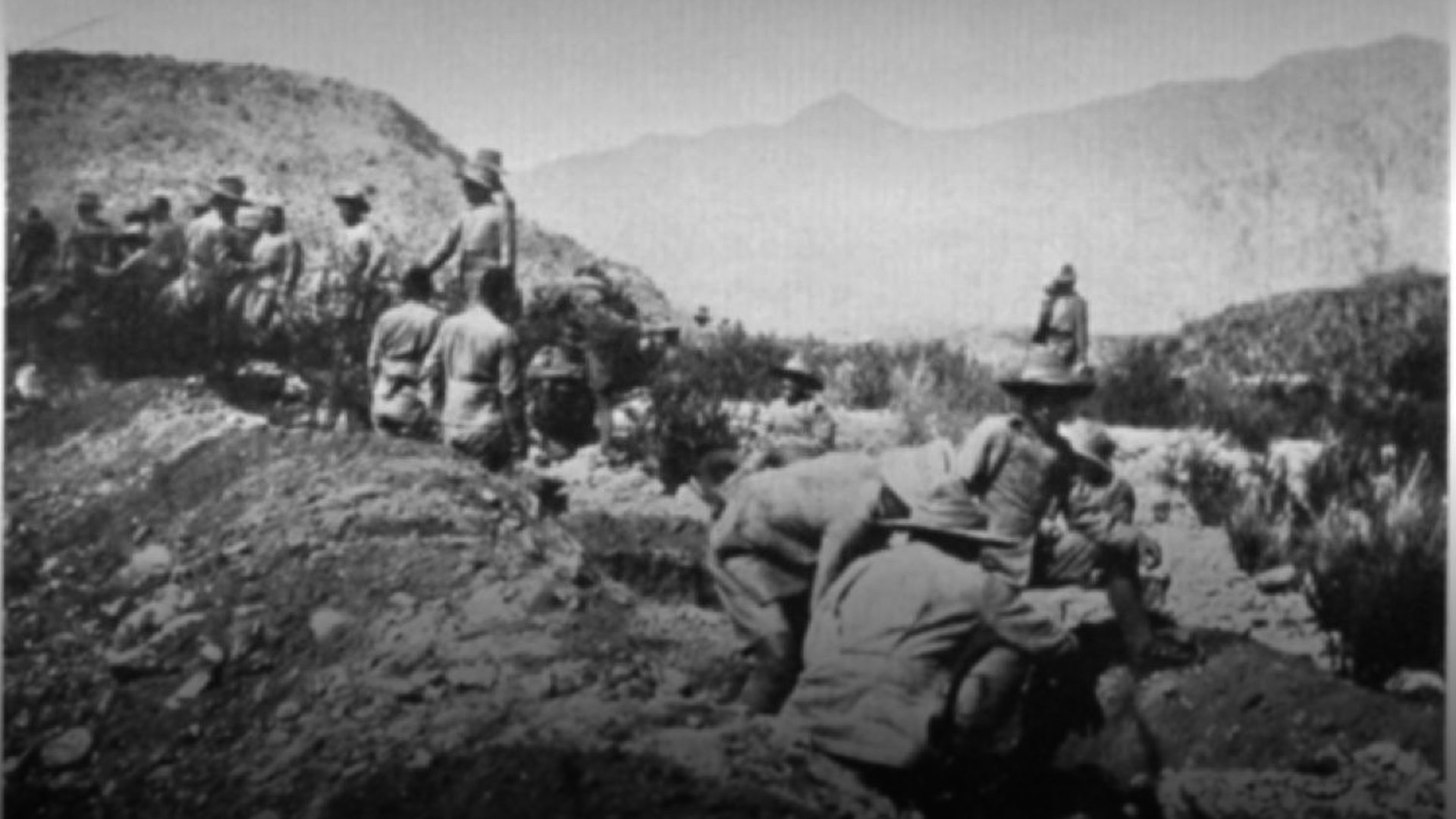
- Pakistani forces retreated under fire
- Heavy casualties during withdrawal
- Domestic backlash in Pakistan
- Nawaz Sharif’s days numbered
The Washington meeting marked Pakistan’s humiliating defeat in Kargil and set the stage for another military coup.