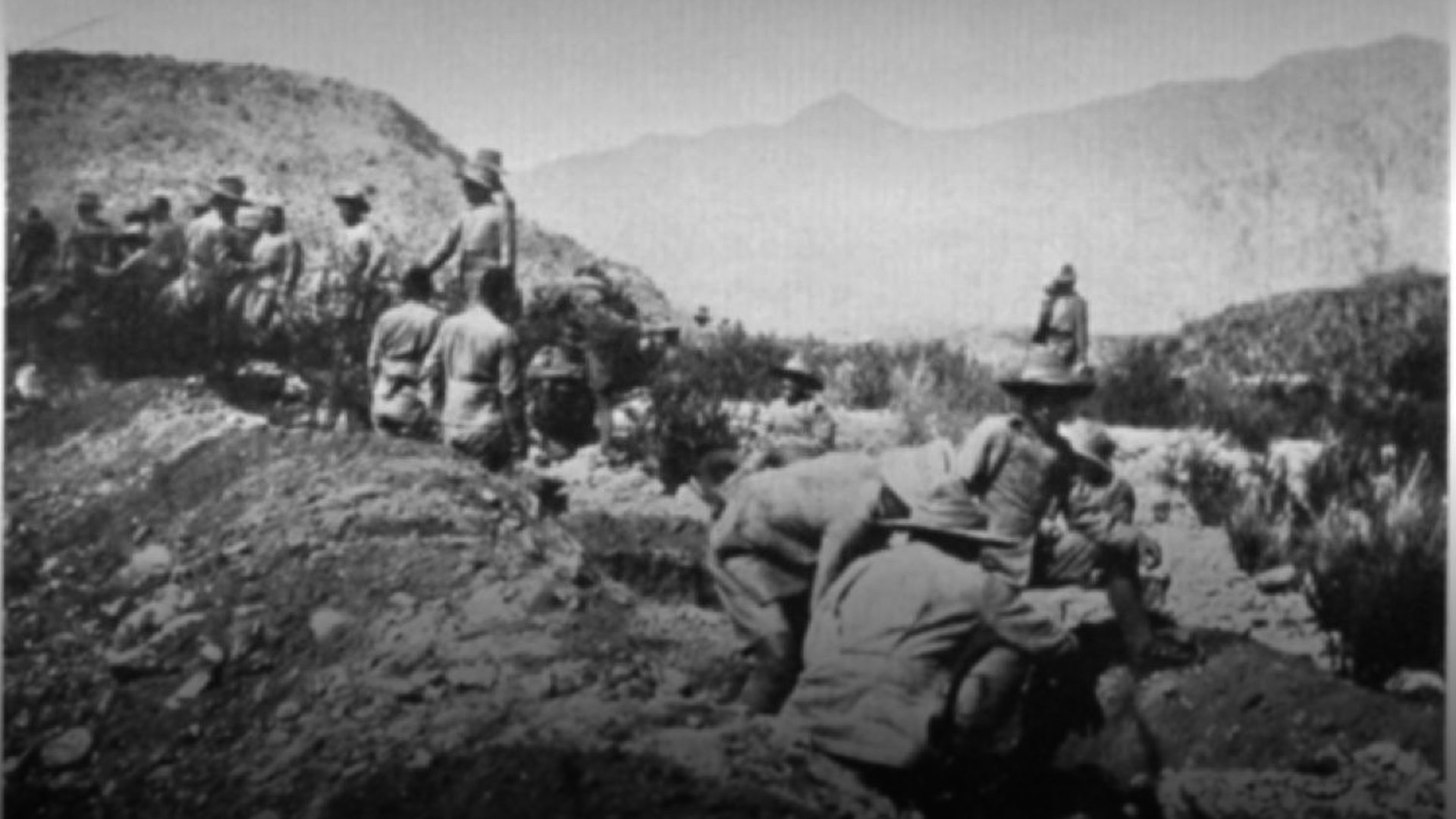
Indian PM Vajpayee’s historic bus journey to Lahore and the resulting declaration raised hopes for peace, even as Pakistani military planned the Kargil intrusion.
Historic Bus Journey
On February 20, 1999, Vajpayee crossed into Pakistan:
- First bus service between countries inaugurated
- Symbolic journey to neighbor
- Massive media coverage
- Public enthusiasm on both sides
Lahore Declaration
The summit produced comprehensive agreement:
- Nuclear risk reduction measures
- Commitment to resolve all issues
- Kashmir dialogue promised
- CBMs expansion agreed
Key Provisions:
- Prior notification of missile tests
- Nuclear doctrines to be shared
- Accidental war prevention measures
- Enhanced people-to-people contact
Personal Touch
Vajpayee’s gestures resonated:
- Visit to Minar-e-Pakistan
- Poetry recitation
- Warm public statements
- Personal chemistry with Nawaz
Hidden Betrayal
Unknown to all, Pakistani military was:
- Planning Kargil operation
- Infiltrating troops across LoC
- Undermining civilian government
- Preparing for conflict
Public Euphoria
Both populations celebrated:
- Peace finally possible
- Nuclear war averted
- Economic benefits anticipated
- Family reunions expected
“I bring the goodwill and hope of my fellow Indians who seek abiding peace and harmony,” Vajpayee declared at Minar-e-Pakistan.
Military Skepticism
Pakistani army remained hostile:
- General Musharraf opposed initiative
- Kargil planning accelerated
- Civilian government bypassed
- Peace process sabotaged
Brief Hope
The Lahore process represented:
- Civilian leaders’ genuine desire
- Public support for peace
- Nuclear responsibility recognition
- Comprehensive engagement attempt
Tragic Irony
Within months:
- Kargil conflict erupted
- Trust completely shattered
- Military coup in Pakistan
- Peace process destroyed
The Lahore Declaration became a monument to betrayed trust when the Kargil intrusion exposed Pakistani military’s duplicity.