India launched a preemptive military operation to secure the Siachen Glacier, the world’s highest battlefield, initiating a frozen conflict that continues to this day.
The Race to Siachen
Intelligence reports indicated Pakistan was planning to occupy the strategically important Siachen Glacier. India’s Operation Meghdoot, named after a Sanskrit poem, aimed to preempt this move.
Strategic Importance:
- Controls heights overlooking Aksai Chin and Pakistan-occupied Gilgit-Baltistan
- Prevents Pakistan-China territorial link through the glacier
- Establishes Indian presence in northernmost Kashmir
- Symbolic importance for territorial claims
The Operation
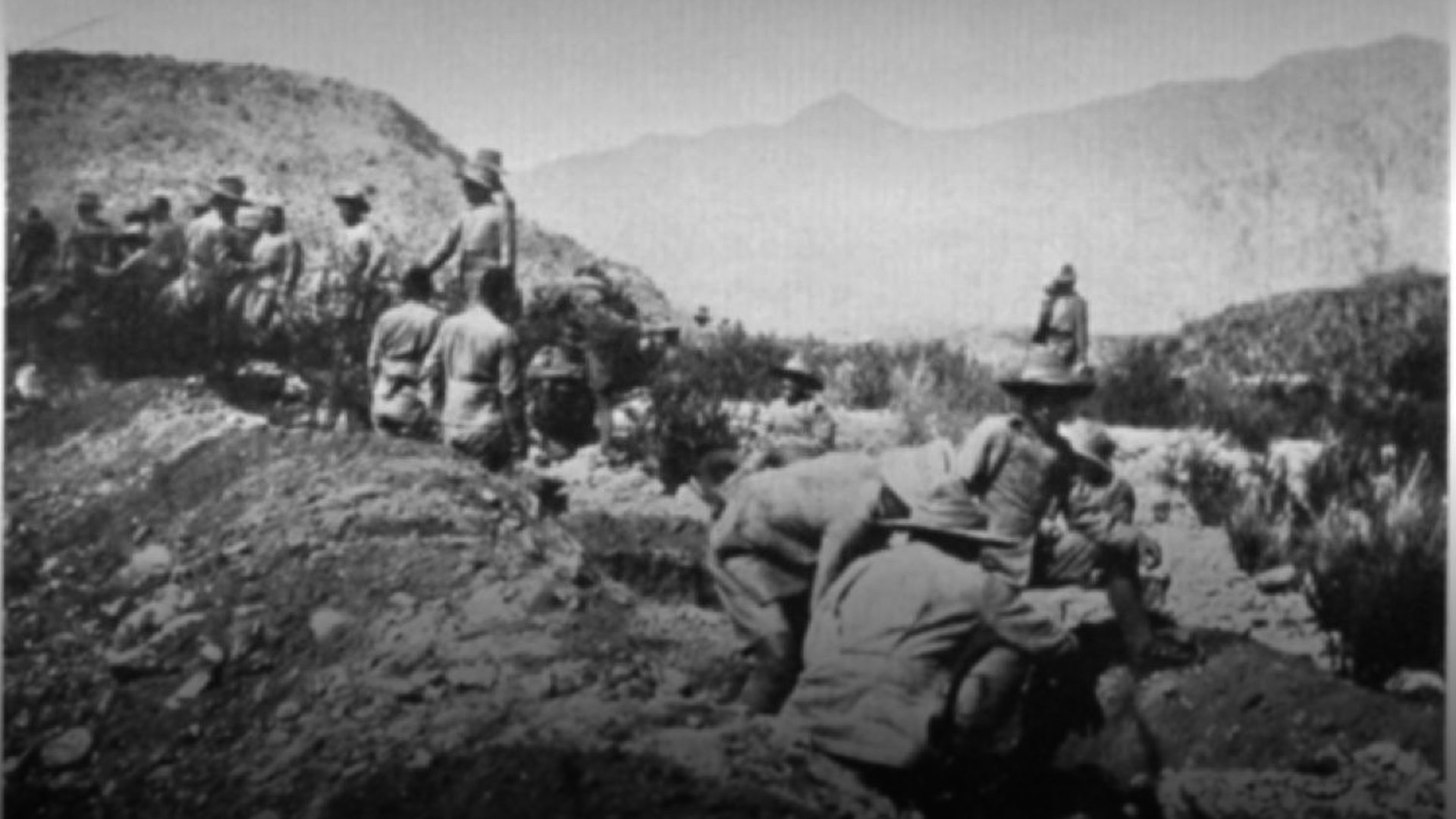
On April 13, 1984, Indian Army troops were airlifted to the glacier’s key passes:
- Sia La and Bilafond La secured within days
- Pakistani forces arrived to find Indians already entrenched
- Extreme altitude (up to 22,000 feet) posed unprecedented challenges
- Specialized arctic warfare equipment rushed from Europe
Human Cost
The glacier became a frozen hell for soldiers:
- More casualties from altitude and weather than enemy fire
- Temperatures dropping to -50°C
- Avalanches and crevasses claiming numerous lives
- Astronomical cost of maintaining troops
Pakistani Response
Pakistan launched several unsuccessful attempts to dislodge Indian forces:
- Operation Ababeel (1987)
- Operation Qamar (1989)
- Multiple smaller assaults repulsed
“We are fighting not just the enemy, but the glacier itself. It’s like being on another planet,” said an Indian Army officer.
Long-term Implications
The Siachen conflict became a symbol of the intractable India-Pakistan rivalry:
- Enormous financial drain on both nations
- Environmental damage to the pristine glacier
- Diplomatic efforts to demilitarize repeatedly failed
- Trust deficit preventing mutual withdrawal
The “world’s highest battlefield” remains active, a frozen testament to the Kashmir dispute.