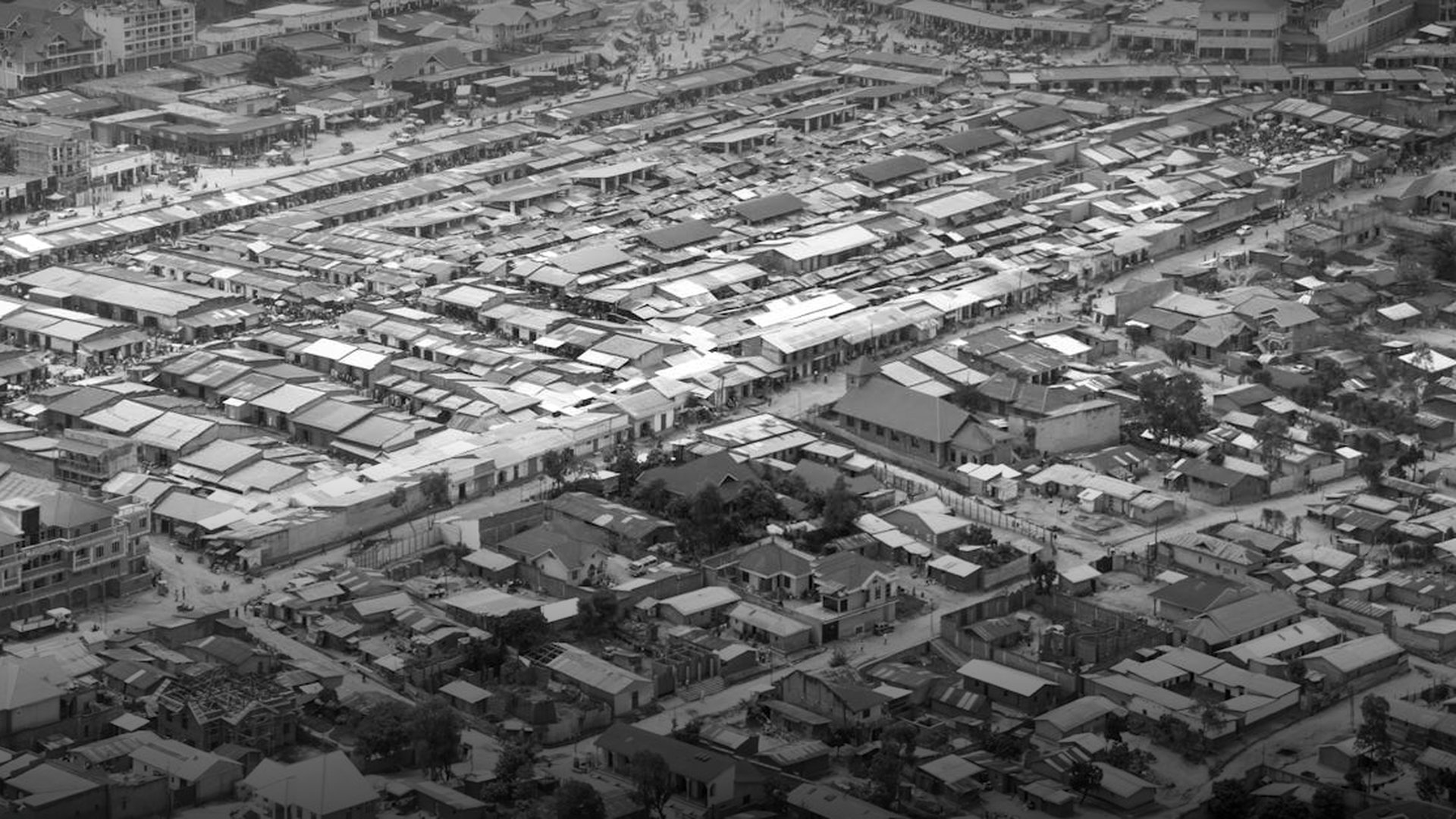
M23 fighters operating under the Congo River Alliance (AFC) vacated nearly ten villages across Lubero and Walikale territories in North Kivu province on March 27, 2026. The withdrawal marks a rare territorial concession by the Rwanda-backed rebel group, which has been one of the most destructive armed forces in eastern Democratic Republic of Congo over the past several years. Towns including Kipese, Lunyasenge, and Vukununu were reportedly emptied of rebel presence, though fighters appear to have regrouped toward the Rutshuru region rather than disarming (African News).
M23 Withdrawal
The March 27 pullback follows an earlier withdrawal from the city of Uvira in South Kivu, which took place in January 2026. That initial retreat was framed by AFC leadership as a goodwill gesture tied to ongoing peace negotiations brokered with regional and international mediation. The latest movement out of Lubero and Walikale extends the pattern, removing rebel checkpoints and fighters from villages that had been under M23 control for months (African News).
Local residents reported cautious relief as armed fighters departed, though many expressed skepticism about whether the withdrawal would hold. Humanitarian organizations noted that displaced families had not yet begun returning to the vacated areas in significant numbers. Access roads that were previously blocked or taxed by rebel forces were reopened in some locations, allowing limited movement of goods and people for the first time since late 2025 (UN News).
Confusion About Peace
Despite the territorial pullback, significant confusion surrounds what the withdrawal actually means for the broader peace process. M23 fighters did not surrender weapons or submit to any formal disarmament mechanism as part of the movement. Instead, military observers noted a tactical consolidation toward Rutshuru, a strategically important territory that has served as a rebel stronghold for years (Critical Threats).
Congolese government officials offered contradictory assessments of the situation. Some characterized the withdrawal as evidence that the peace accord was producing results, while others warned that the regrouping toward Rutshuru could signal preparation for renewed offensives rather than genuine demobilization. Rwanda, which the United Nations and multiple governments have identified as M23’s primary backer, has not publicly commented on the redeployment (African News).
Ongoing Conflict
Armed clashes between AFC/M23 elements and pro-government forces, including the Congolese military and allied local militias, continued across North and South Kivu throughout March 2026. Sporadic fighting was reported in areas adjacent to the villages that M23 vacated, raising questions about whether the withdrawal was limited to specific locations while combat operations persisted elsewhere (Critical Threats).
The humanitarian toll of the broader conflict remains staggering. Millions of civilians in eastern DRC are displaced, and aid organizations have struggled to reach populations caught between front lines. Medical facilities in Lubero territory reported treating casualties from fighting that occurred within days of the announced withdrawal, underscoring the gap between public statements about peace and conditions on the ground (UN News).
“The situation in eastern DRC remains alarming. While any withdrawal of armed elements from civilian areas is a positive step, we have seen such movements before without lasting impact on the security environment. Sustained engagement from all parties is essential.”
UN Response
The United Nations peacekeeping mission in the DRC, MONUSCO, pledged continued engagement in the eastern provinces following the M23 pullback. Mission leadership described the security situation as “alarming” and called on all armed groups to commit to verifiable disarmament under international supervision. UN officials stressed that territorial withdrawal alone, without weapons collection and combatant reintegration, would not constitute meaningful progress toward peace (UN News).
Regional diplomatic efforts remain active but have produced limited concrete results. The African Union and East African Community have both called for a comprehensive ceasefire and inclusive political dialogue, though enforcement mechanisms remain weak. International observers warned that without sustained pressure on external backers of armed groups, particularly Rwanda’s relationship with M23, the cycle of withdrawal announcements followed by renewed fighting would likely continue (Critical Threats).
The coming weeks will test whether the M23 pullback from Lubero and Walikale represents a genuine shift toward peace or another tactical repositioning in a conflict that has defied resolution for over a decade. For the millions of Congolese civilians caught in the violence, the distinction between the two remains a matter of survival.