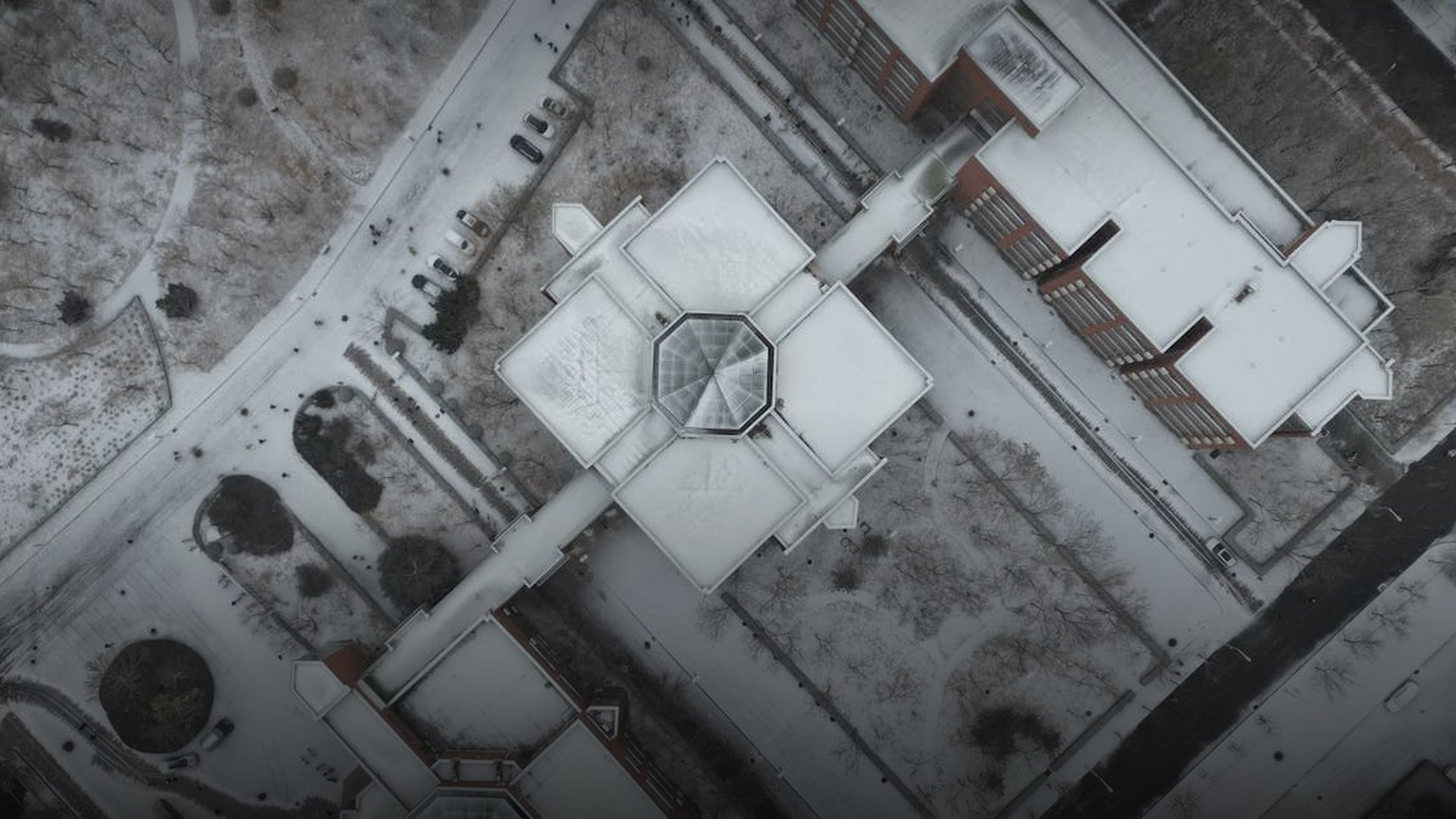
President Lee Teng-hui’s seemingly innocuous visit to his alma mater, Cornell University, on June 7-10, 1995, triggered the most serious Taiwan Strait crisis since the 1950s, demonstrating how Taiwan’s democratic transformation fundamentally challenged Beijing’s authoritarian worldview.
The Cornell Visit
Lee’s trip appeared modest in scope:
- Private visit for class reunion
- Academic speech titled “Always in My Heart”
- No official meetings with U.S. government
- Emphasized Taiwan’s democratic achievements
However, the symbolism was profound:
- First Taiwan president on U.S. soil since 1979
- Democratic leader seeking international space
- Direct challenge to Beijing’s isolation strategy
Democratic Message
Lee’s Cornell speech emphasized themes that infuriated Beijing:
Taiwan’s Transformation
“Taiwan has transformed from poverty to prosperity, from authoritarianism to democracy. We prove that Confucian society can embrace democratic values.”
International Participation
“Democratic Taiwan deserves dignified participation in the international community. We seek room to breathe, not independence.”
Peaceful Intentions
“We extend the hand of friendship to mainland China, hoping democracy will bridge our differences.”
Beijing’s Furious Response
China’s authoritarian leadership saw the visit as:
- U.S. abandonment of “one China” policy
- Taiwan moving toward independence
- Lee using democracy to split China
- Dangerous precedent for international recognition
Immediate Retaliation
-
Diplomatic Protests
- Recalled ambassador from Washington
- Suspended cross-strait dialogue
- Canceled military exchanges with U.S.
-
Propaganda Campaign
- Denounced Lee as “traitor” and “splittist”
- Mobilized state media for attacks
- Warned of “playing with fire”
Military Escalation Begins
July 21-28, 1995: First missile tests
- Six DF-15 missiles fired into waters north of Taiwan
- Live-fire exercises in Fujian Province
- Naval maneuvers in Taiwan Strait
- Clear message: Democracy won’t protect Taiwan
U.S. Policy Dilemma
The Clinton administration faced competing pressures:
Supporting Democracy
- Congressional pressure to support democratic Taiwan
- American values favoring democracy
- Public sympathy for Lee
Managing Beijing
- Maintaining strategic relationship with China
- Avoiding military confrontation
- Economic interests at stake
Taiwan’s Democratic Response
Unlike previous crises, democratic Taiwan responded differently:
Public Reaction
- Stock market initially dropped but recovered
- No panic or martial law
- Media freely reported and debated
- Strengthened support for Lee
Political Unity
- Opposition parties condemned Beijing’s threats
- Democracy unified against authoritarian coercion
- Elections would proceed as scheduled
International Ramifications
Regional Concerns
- Japan worried about instability
- ASEAN nations called for restraint
- Australia expressed concern
- South Korea monitored carefully
Global Implications
- Tested post-Cold War order
- Democracy vs. authoritarianism clash
- Economic disruption fears
- Nuclear power confrontation risk
Escalation Pattern
The crisis would escalate over coming months:
- August 1995: Second round of missile tests
- November 1995: Military exercises expand
- March 1996: Missiles bracket Taiwan before election
- U.S. Response: Aircraft carrier deployments
Fundamental Issues Exposed
The Cornell visit crisis revealed core tensions:
Incompatible Systems
- Democratic society seeking international participation
- Authoritarian regime demanding total control
- No middle ground acceptable to both
U.S. Role
- Caught between values and interests
- Democracy promotion vs. stability
- Strategic ambiguity tested
Long-term Impact
The crisis fundamentally changed cross-strait dynamics:
- Military Buildup - Both sides accelerated military modernization
- U.S. Involvement - America drawn deeper into cross-strait issues
- Democratic Consolidation - Taiwan’s democracy proved resilient
- Beijing’s Toolbox - Military coercion became standard response
Lee Teng-hui’s Cornell visit demonstrated that Taiwan’s democratization had created a new reality Beijing could not accept: a Chinese democracy that sought its rightful place in the world, directly challenging the CCP’s authoritarian model and monopoly on Chinese political legitimacy.