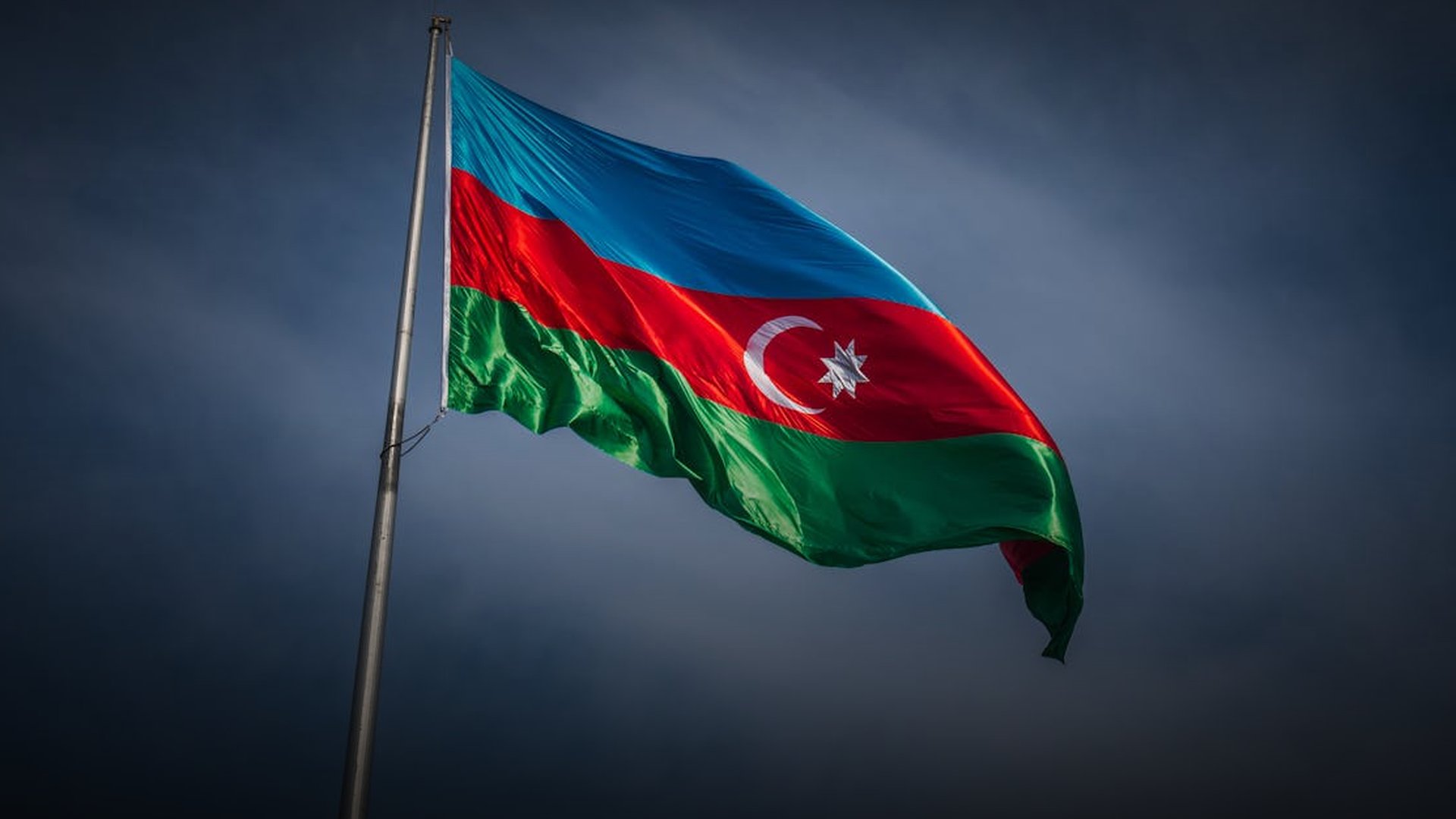
BISHKEK, Kyrgyzstan - Representatives from Armenia, Azerbaijan, and the unrecognized Nagorno-Karabakh Republic signed a comprehensive ceasefire agreement today, ending six years of devastating war that killed over 30,000 people and displaced more than one million.
The Bishkek Protocol, mediated by Russia with the CIS Inter-Parliamentary Assembly, calls for cessation of all military operations from May 12, 1994. The agreement freezes current military positions, leaving Armenian forces in control of Nagorno-Karabakh and approximately 20% of Azerbaijan’s internationally recognized territory.
“Today we silence the guns, though we cannot yet heal the wounds,” stated Russian mediator Vladimir Kazimirov. “This ceasefire creates space for peaceful resolution of remaining issues.”
The signing ceremony, held in Kyrgyzstan’s capital to provide neutral ground, saw defense ministers from all parties commit to ending Europe’s bloodiest conflict since World War II.
Terms of Defeat
For Azerbaijan, the ceasefire represents acknowledgment of total military defeat. The agreement legitimizes Armenian control over not just Nagorno-Karabakh but seven surrounding districts: Lachin, Kelbajar, Agdam, Fizuli, Jabrayil, Gubadli, and Zangilan.
“We sign with heavy hearts but clear minds,” stated Azerbaijani representative Mamedrafi Mammadov. “Continuing war means losing what remains of our country. We must rebuild before we can reclaim.”
President Heydar Aliyev, who initially resisted accepting such losses, ultimately chose state survival over territorial integrity. The pragmatic calculation: a defeated Azerbaijan still exists, a destroyed one doesn’t.
Victory’s Price
Armenia achieves all military objectives and more, creating a de facto Greater Armenia incorporating Nagorno-Karabakh through conquered territories. Yet victory comes with burdens - international isolation, economic blockade, and responsibility for vast occupied lands.
“We’ve secured our people’s safety through force of arms,” declared Armenian Defense Minister Vazgen Sargsyan. “No one gave us this victory - we earned it with blood.”
Nagorno-Karabakh’s inclusion as a separate signatory, despite no international recognition, represents diplomatic victory. The unrecognized republic gains quasi-official status through the ceasefire document.
Frozen Conflict Born
The Bishkek Protocol creates what analysts already term a “frozen conflict” - neither war nor peace but armed truce. No provision addresses the fundamental dispute over Nagorno-Karabakh’s status or the return of occupied territories.
“We’re pressing pause, not stop,” observes OSCE representative. “Every unresolved issue remains, now complicated by massive displacement and occupation. This guarantees future problems.”
The agreement’s weakness lies in its temporary nature. Without addressing root causes or providing enforcement mechanisms, it depends entirely on exhaustion maintaining peace.
Humanitarian Crisis
The ceasefire freezes in place one of Europe’s largest refugee populations. Over one million Azerbaijanis cannot return to homes now under Armenian control. Their displacement appears permanent despite international law demanding return.
“Where’s mention of our right to return?” demands refugee representative Arif Yunusov. “This ceasefire condemns us to eternal exile while occupiers settle our lands.”
Armenia faces its own 400,000 refugees from Azerbaijan, though their integration proceeds more successfully given ethnic homogeneity. The population exchange, never formally acknowledged, appears complete.
Russian Dominance
The ceasefire confirms Russia’s return as regional hegemon. Moscow’s mediation, weapons supplies to both sides, and peacekeeping proposals establish permanent influence over former Soviet republics.
“Russia wins regardless of who lost,” notes analyst Pavel Baev. “A frozen conflict requiring Russian mediation serves Moscow’s interests perfectly.”
Plans for Russian peacekeepers along ceasefire lines remain contentious. Azerbaijan fears legitimizing occupation while Armenia worries about constraints on its victory.
International Relief
The international community expresses relief at war’s end while avoiding harder questions about occupation and refugees. Humanitarian aid can now flow more freely, but political solutions remain distant.
“Stopping killing is necessary first step,” states UN representative. “But ceasefire without peace process merely postpones reckoning.”
The OSCE Minsk Group, tasked with finding permanent resolution, faces harder challenges with ceasefire creating new status quo. Positions have hardened through blood and victory.
Economic Implications
Both nations face massive reconstruction costs. Azerbaijan must rebuild with 20% less territory and million internal refugees. Armenia confronts blockades by Azerbaijan and Turkey that strangle its economy.
“We’ve won territory but lost prosperity,” admits Armenian economist. “Victory’s price may prove higher than defeat’s.”
The war’s end allows some economic recovery, but fundamental constraints remain. Neither nation can develop normally while unresolved conflict continues.
Military Realities
The ceasefire freezes military positions but not military preparations. Both sides will use peace to rebuild forces for potential future rounds. Today’s lines become tomorrow’s start positions.
“This isn’t disarmament but rearmament pause,” predicts military analyst. “Both sides will prepare for next war while talking peace.”
The occupied territories provide Armenia strategic depth but require garrison forces. Azerbaijan must rebuild military from nothing while managing internal refugees.
Psychological Scars
Beyond physical destruction, the war leaves deep psychological wounds. Entire generations traumatized by ethnic cleansing, displacement, and violence. These traumas will shape politics for decades.
“My children know only hatred for those who stole our home,” states Azerbaijani refugee. “How can there be peace when memory demands revenge?”
Similar sentiments echo among Armenians who remember pogroms and threats of extinction. Fear and hatred now define mutual perceptions.
Future Uncertain
As guns fall silent at midnight, both nations face uncertain futures. Armenia holds military victory but economic isolation. Azerbaijan retains international law but lost territories.
“We’ve ended war but not conflict,” summarizes veteran diplomat. “Everything remains disputed except exhaustion preventing immediate fighting.”
The Bishkek Protocol represents exhaustion codified, not peace achieved. Neither side abandons claims, only ability to pursue them militarily - for now.
Morning After War
Tomorrow, May 13, 1994, dawns on silent battlefields for first time in six years. Soldiers emerge cautiously from trenches. Refugees wake to reality of permanent displacement.
In Yerevan, victory celebrations mix with concern about future. In Baku, defeat’s bitterness mingles with relief at survival. In occupied territories, empty cities await uncertain fate.
The first Nagorno-Karabakh war ends as it began - with two peoples claiming same land, unable to share, unwilling to yield. The ceasefire changes nothing fundamental except replacing bullets with time.
“Peace is continuation of war by other means,” reverses Clausewitz one diplomat. “We’ve simply changed weapons from guns to patience.”
The Bishkek Protocol stops killing but starts new competition - who can better use peace to prepare for war? Today’s ceasefire becomes tomorrow’s starting gun for race neither side can afford but neither can abandon.
History will judge whether May 12, 1994, brought peace or merely postponement. For now, silence itself is achievement enough. In the Caucasus, where grievances outlive generations, even temporary quiet counts as victory.
The guns are silent. The conflict continues.