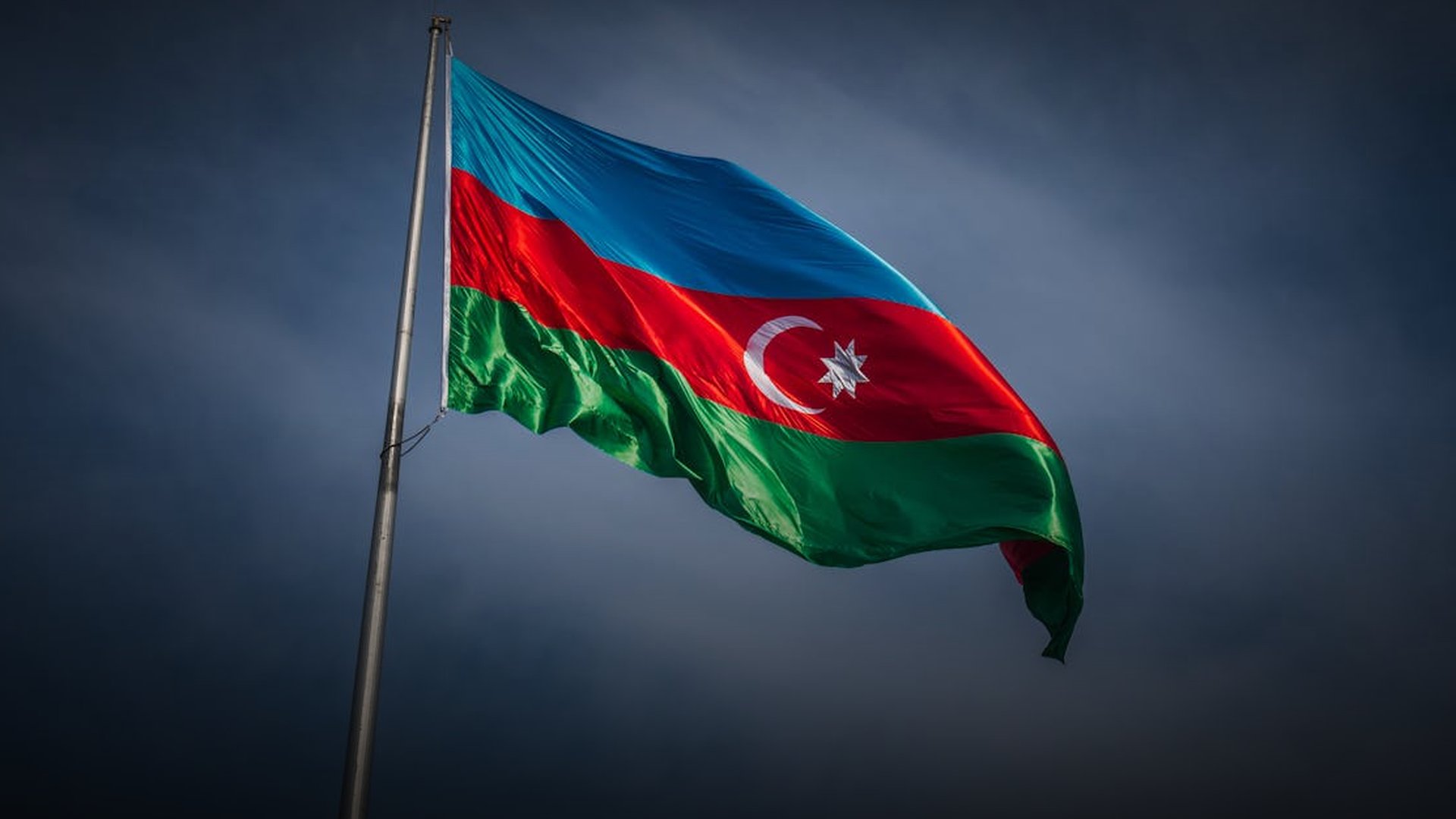
BAKU, Azerbaijan - Abulfaz Elchibey, the nationalist leader of the Azerbaijan Popular Front, won a decisive victory in presidential elections today, promising to reverse recent military disasters and forge closer ties with Turkey while distancing Azerbaijan from Russia.
Elchibey captured 59.4% of votes against four other candidates, riding a wave of popular anger over the loss of Shusha and Lachin. His election marks Azerbaijan’s first democratic transfer of power but comes as the nation faces its darkest hour.
“The people have chosen the path of independence, democracy, and national dignity,” Elchibey declared to thousands of supporters in Freedom Square. “We will liberate every inch of occupied land and build a modern, democratic Azerbaijan.”
The 54-year-old former Soviet dissident and Orientalist scholar represents a dramatic shift from Azerbaijan’s post-communist leadership. His openly pro-Turkish, anti-Russian, and anti-Iranian positions signal major foreign policy changes.
Campaign of Hope
Elchibey’s campaign successfully channeled public frustration over military defeats into political support. He blamed previous leaders’ ties to Moscow for Azerbaijan’s failures while promising Western support would reverse fortunes.
“Mutalibov relied on Russia, which armed our enemies,” Elchibey told campaign rallies. “We’ll join the civilized world - Europe, America, and especially our Turkish brothers who share our blood.”
His intellectual background and dissident credentials appealed to Baku’s educated elite, while nationalist rhetoric resonated with refugees and war veterans demanding stronger leadership.
Challenges Mount
However, Elchibey inherits a catastrophic situation. Armenian forces control 20% of Azerbaijan’s territory. Over 700,000 internal refugees strain resources. The economy, disrupted by war and political chaos, approaches collapse.
“Elections don’t change military realities,” warns independent analyst Zardusht Alizade. “Elchibey has no military experience and inherits a demoralized, defeated army. Promises are easier than performance.”
The new president’s ideological approach worries pragmatists. His rejection of Russian mediation and insistence on Turkish involvement may complicate peace efforts while providing no immediate military advantage.
Regional Reactions
Turkey enthusiastically welcomed Elchibey’s victory, with President Turgut Özal calling it “a historic moment for Turkic brotherhood.” Ankara promises increased support, though stops short of direct military intervention.
Russia views Elchibey’s election with undisguised hostility. His plans to withdraw from the CIS and expel remaining Russian military bases challenge Moscow’s regional influence.
“Azerbaijan will learn the price of abandoning Russia’s friendship,” warned ultranationalist Vladimir Zhirinovsky. “Without our protection, they’ll lose more than Karabakh.”
Iran, concerned about Elchibey’s Pan-Turkic ideology potentially affecting its own Azerbaijani minority, maintains frigid relations with the new president who once called for “reunifying divided Azerbaijan.”
Armenian Confidence
Armenia observes Azerbaijan’s political transition with satisfaction, seeing opportunity in potential instability. Military commanders prepare new offensives while diplomats expect Elchibey’s rigid positions to reduce international sympathy for Azerbaijan.
“Elchibey’s extremism helps our cause,” notes Armenian Foreign Ministry official Jirair Libaridian. “His anti-Russian stance alienates potential mediators while his maximalist demands make compromise impossible.”
Domestic Expectations
Elchibey faces enormous domestic expectations. Refugees demand immediate return to homes. Veterans want modern weapons and competent leadership. Intellectuals expect democratic reforms amid war emergency.
“We voted for victory, not more speeches,” states refugee camp leader Arif Yunusov. “If Elchibey can’t deliver results quickly, people will turn to anyone promising success - democrats, Islamists, even communists.”
The Popular Front’s limited governing experience shows immediately. Cabinet formation proceeds slowly as ideological purity conflicts with competence requirements. Regional clans resist Baku’s authority.
Military Priorities
Elchibey’s first presidential decree establishes a National Army, rejecting the Soviet-era structure. He appoints political loyalists to key positions, raising concerns about prioritizing ideology over military expertise.
“We need professional officers, not political commissars,” grumbles Colonel Safar Abiyev. “The enemy doesn’t care about our democratic credentials when attacking.”
Plans to invite Turkish military advisors and seek NATO cooperation reflect ambitions exceeding current realities. Armenia’s forces continue advancing while Azerbaijan reorganizes its command structure.
Historic Moment
Despite challenges, Elchibey’s election represents a watershed. Azerbaijan chooses Western orientation over Russian influence, democracy over authoritarianism, and nationalism over Soviet-era internationalism.
“This isn’t just changing presidents - it’s changing civilizations,” proclaimed writer Anar Rzayev. “We’re rejoining the Turkic world after centuries of Russian rule.”
As Elchibey prepares his inauguration, Azerbaijan stands at a crossroads. The democratic leader must quickly prove democracy can wage war effectively, or risk Azerbaijan’s experiment with freedom becoming another casualty of the Nagorno-Karabakh conflict.
Tonight’s celebrations may prove premature. Elchibey won the election, but the war continues its bloody course. Whether Azerbaijan’s first democratic president can reverse military defeat while building democratic institutions remains the ultimate test of his presidency.