The sight of two million Balts holding hands across three republics today sent shockwaves through the Soviet Union, inspiring similar demonstrations of national unity from Ukraine to the Caucasus.
In Armenia, an estimated 600,000 people formed their own human chain from Yerevan to the border of Nagorno-Karabakh, demanding unification with the disputed region. The 200-kilometer chain, organized by the Armenian National Movement, represented the largest coordinated demonstration in the republic’s history.
“If Lithuanians, Latvians, and Estonians can demand freedom, why not Armenians?” asked Levon Ter-Petrosyan, addressing crowds in Yerevan’s Theatre Square. “Nagorno-Karabakh’s liberation is our Baltic Way.”
Empire Unraveling
The Baltic Way, commemorating the 50th anniversary of the Molotov-Ribbentrop Pact, has catalyzed nationalist movements across the Soviet Union. What Moscow once dismissed as “extremist minorities” now represents mainstream opinion in multiple republics.
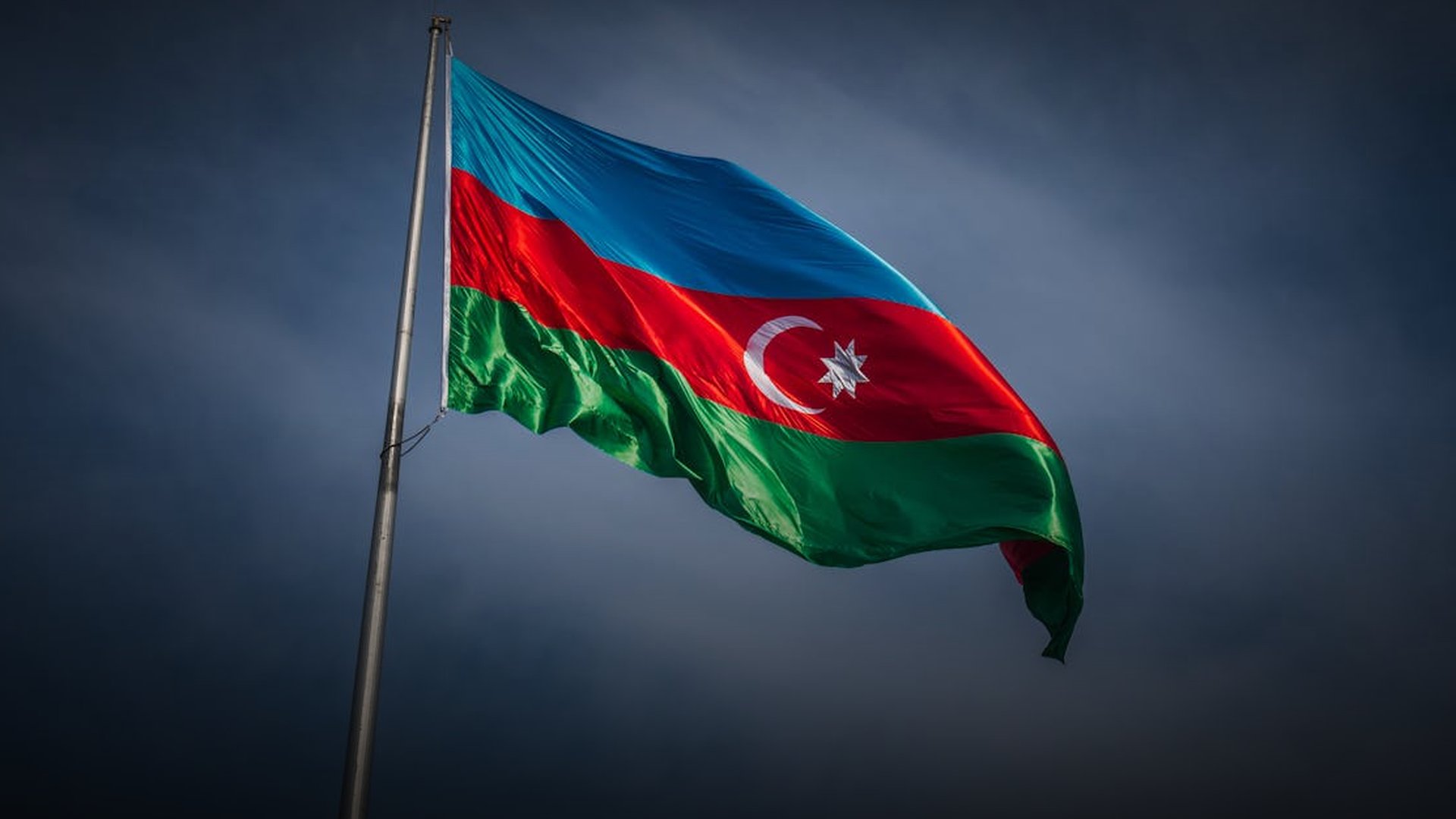
In Azerbaijan, the Popular Front organized counter-demonstrations, with hundreds of thousands forming their own human chain around Baku, declaring “Karabakh is Azerbaijan.” The competing chains symbolize the irreconcilable positions hardening across the Caucasus.
“The center has lost control,” observes Dr. Mark Beissinger, a specialist in Soviet nationalities at Harvard. “Each successful nationalist demonstration inspires others, creating a cascade effect Moscow cannot stop.”
From Protest to Power
More significantly, nationalist movements are transitioning from street protests to political power. In Armenia, the Karabakh Committee has evolved into the Armenian National Movement, dominating the republic’s political discourse. Communist Party membership hemorrhages as Armenians join explicitly nationalist organizations.
Azerbaijan’s Popular Front, initially focused on democratic reform, now champions aggressive nationalism, with Nagorno-Karabakh as its central issue. “We will never surrender one inch of Azerbaijani soil,” declares Front leader Abulfaz Elchibey.
Military Preparations
Behind the peaceful demonstrations, both republics prepare for war. Armenian volunteers train in hidden camps, learning to use weapons smuggled from various sources. Former Soviet officers, many of Armenian descent, provide expertise.
Azerbaijan forms its own paramilitary units, drawing on Afghan war veterans and recruiting from refugee camps filled with Azerbaijanis expelled from Armenia. Turkish military advisors reportedly assist in training, though Ankara denies involvement.
“Everyone knows war is coming,” admits a Soviet military intelligence officer privately. “The only question is when and how bloody it will be.”
Moscow’s Paralysis
The Kremlin watches helplessly as its multinational empire fragments. Gorbachev’s reforms, intended to strengthen the Soviet system, have instead unleashed forces beyond control. Military intervention, once Moscow’s ultimate tool, risks triggering wider upheaval.
“If we crush Armenia, we lose the Baltics. If we suppress Azerbaijan, we inflame Central Asia,” one Politburo member confided. “We’re trapped between nationalism and democracy.”
International Dimensions
The conflict increasingly attracts international attention. The Armenian diaspora mobilizes support worldwide, while Turkey edges closer to backing Azerbaijan. Iran watches nervously as its own Azerbaijani minority grows restive.
As human chains form across the Soviet Union, each republic’s struggle inspires others. The Baltic Way has shown that peaceful mass mobilization can challenge empire. In the Caucasus, however, the logic of ethnic conflict points toward a more violent resolution.
The Soviet Union’s carefully managed ethnic diversity, once a source of pride, has become its greatest vulnerability. As republics assert their rights to self-determination, the claims of Armenians and Azerbaijanis to the same territory ensure that someone’s freedom will come at another’s expense.